Winter is here, but that doesn’t mean gardening has to come to an end. You can easily grow an edible garden inside. In fact, I almost (almost) like gardening more during the off season! Everything slows down and it’s a lot easier to manage than the outdoor garden. So consider growing these 10 vegetables indoors this Winter. This is your complete winter gardening guide covering 10 vegetables to grow indoors in the Winter in Canada and other Northern regions

How To Grow Vegetables Indoors Without Sunlight

Believe it or not, there are a significant amount of vegetables that grow exceptionally well indoors in the Winter.
But how can you grow veggies indoors without adequate sunlight?
Well, to have success growing vegetables indoors, you absolutely need to use a grow light.
Sorry if that wasn’t the answer you were looking for!
However, a grow light is especially key if you live in a Northern climate. Like we do here in the Canadian Prairies.
There simply aren’t enough natural daylight hours during the middle of Winter to grow most vegetables indoors without a grow light. Simple as that.
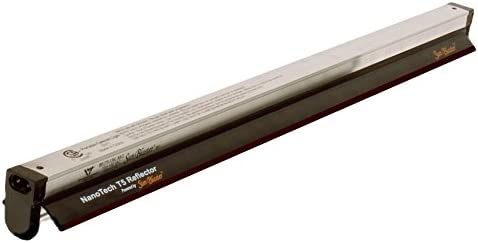
Blogs and articles saying you can grow vegetables indoors with only natural daylight are geared at gardeners living in warm weather year round. Don’t be fooled!
However, there is one “vegetable” that’s an exception to this….
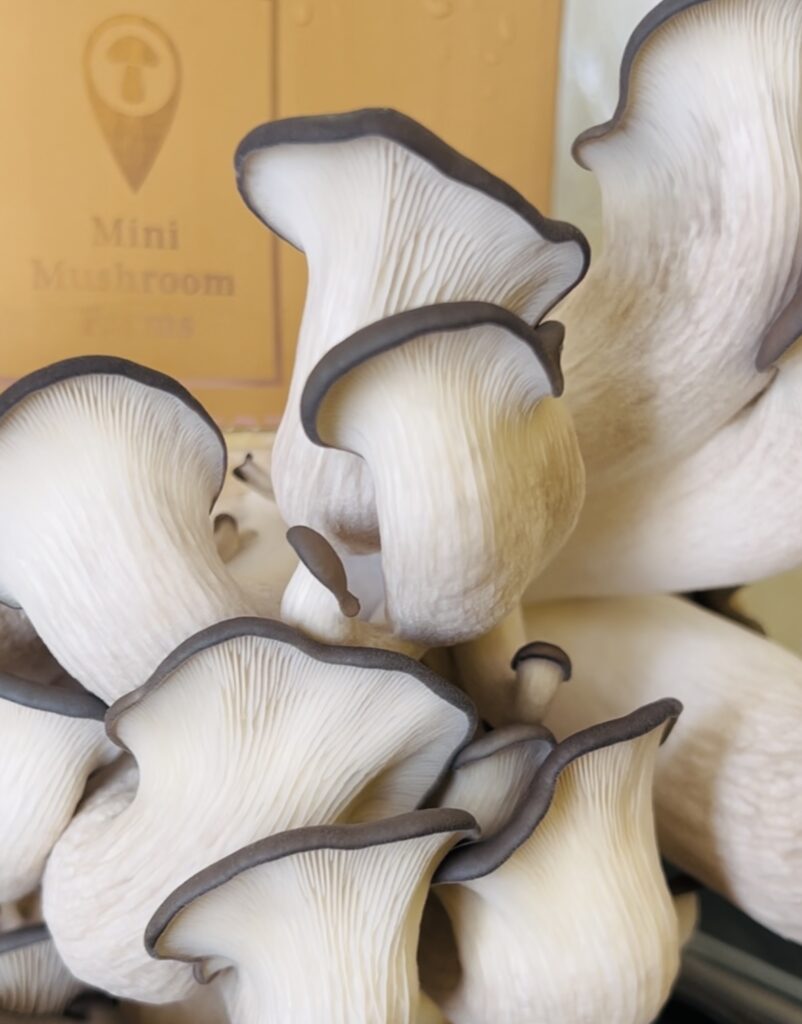
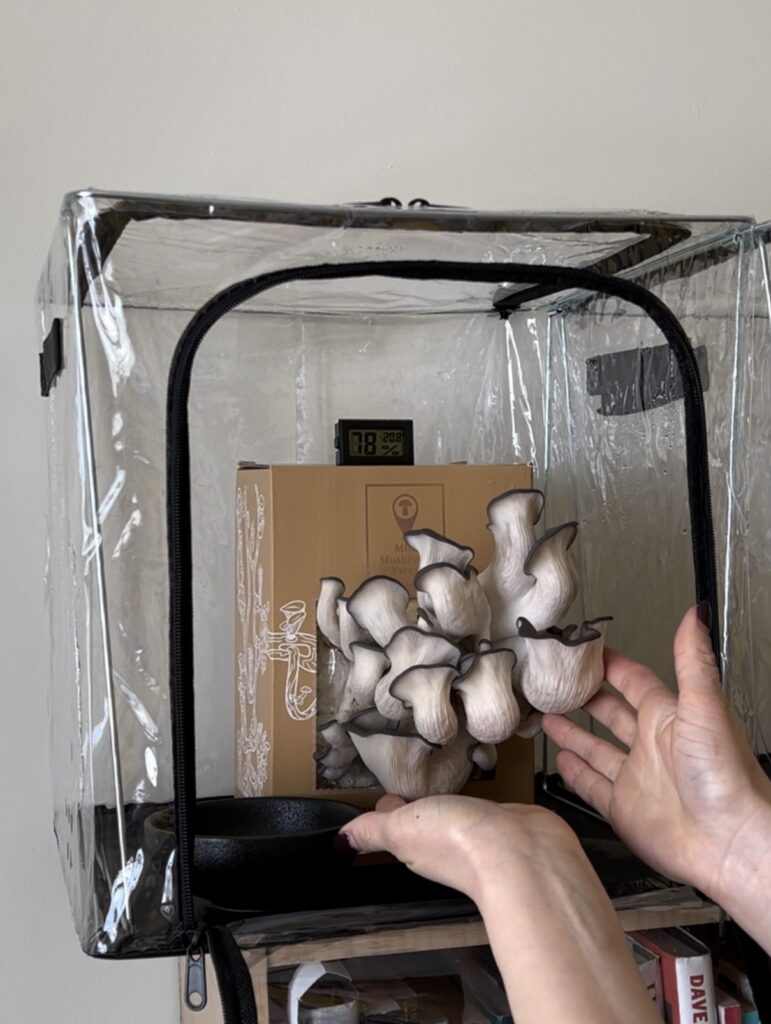
We’ve had great success growing edible oyster mushrooms indoors using growing kits.
And I’ve got a full blog post on the topic How To Grow Oyster Mushrooms At Home In 5 Easy Steps.
I definitely recommend investing in a kit as it will come with the spawn (mushroom fungus) you need to get started.
So in general, let it be known that the only way to successfully grow vegetables indoors in the Winter months if you live in the North is with the use of grow lights.
If you live in a plant hardiness Zone 1-6, you will need to supplement with additional light.
Keep reading for my tips on using grow lights!
Growing Vegetables Indoors With Grow Lights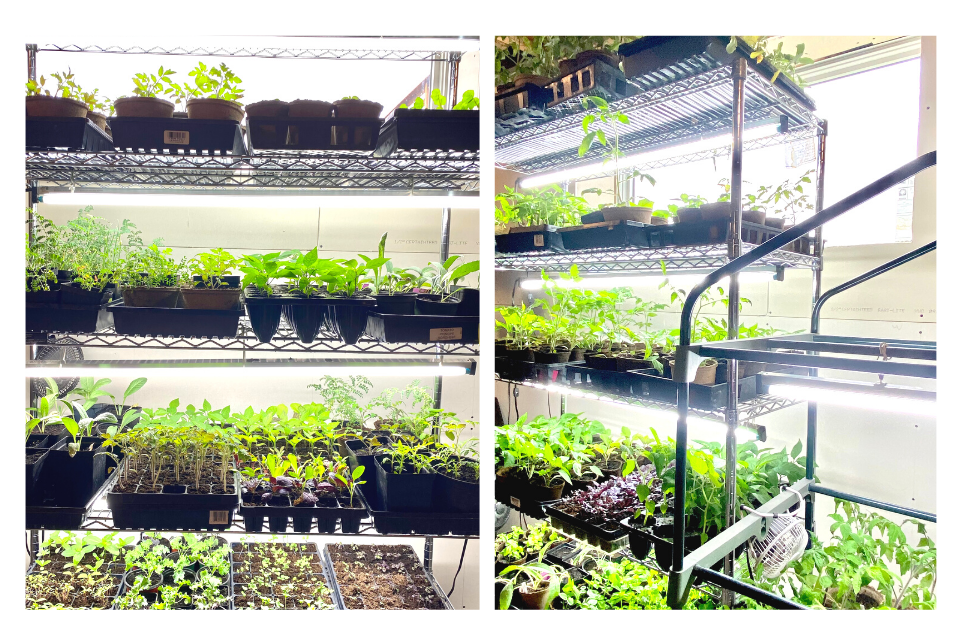
The conversation around grow lights often intimidates new gardeners
But grow lights are actually incredibly easy to use. Plus SO effective.
What’s The Best Grow Light Brand?
My preferred grow light brand is SunBlaster LED lights.
They are really high quality and won’t add any extra cost to your electricity bill.
Plus, they come ready to hang with hooks and a plug-in cord.
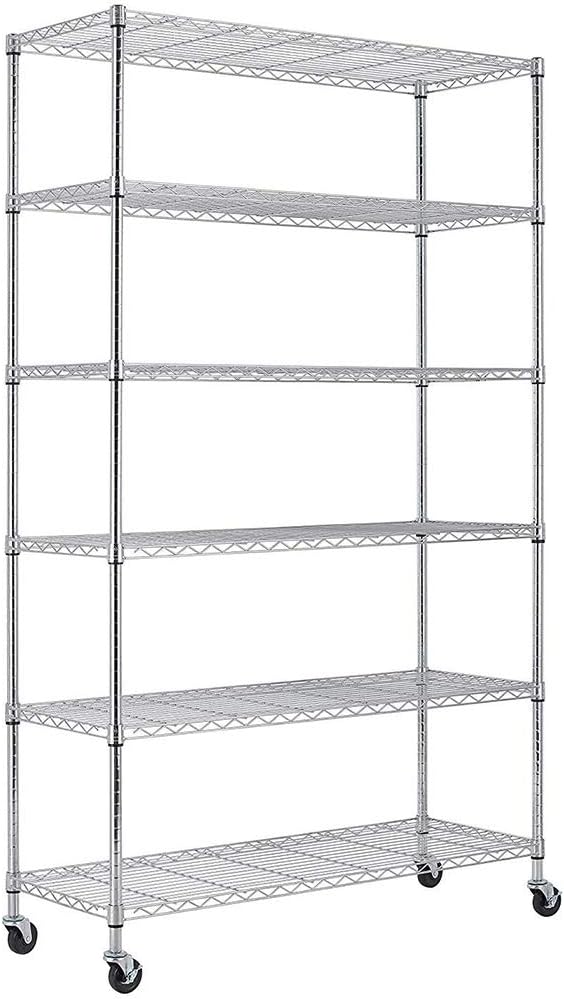
I hang my grow lights on a 6-shelf wire racking system from Costco. Just like this one.
Now, here’s my list of top 10 veggies to grow indoors in the winter!
Top 10 Veggies To Grow Indoors In The Winter In Northern Climates

Alright, let’s get into it!
Here’s my list of 10 of the best (maybe easiest?) vegetables to grow indoors in the Winter in Canada and other Northern regions.
Remember — to have the best success growing veggies from this list, you’ll need a solid seed starting set-up!
However, you may be able to successfully grow indoors without a grow light after March. There may be adequate natural daylight by then depending where you live.
If there’s other veggies not on this list that you’ve had success with, comment below!
1. Mixed Salad Greens

Spinach, arugula (or rocket) and mustard greens are all fast-growing greens that grow great indoors in the Winter!
I’ve put them at the top of the list because they are extremely easy-to-grow (like SO easy).
And the perfect veggies to start with if you’re a beginner gardener.
My go-to varieties for growing mixed greens indoors are;
- Giant Winter Spinach — pictured above!
Astro Arugula — ready to harvest within 25 days
Giant Red Mustard Greens — unique flavour, almost pepper-like
But you can also grow slower-growing salad greens indoors too.
Greens like kale and collard greens also grow great indoors during the Winter.

How To Grow Salad Greens Indoors In The Winter
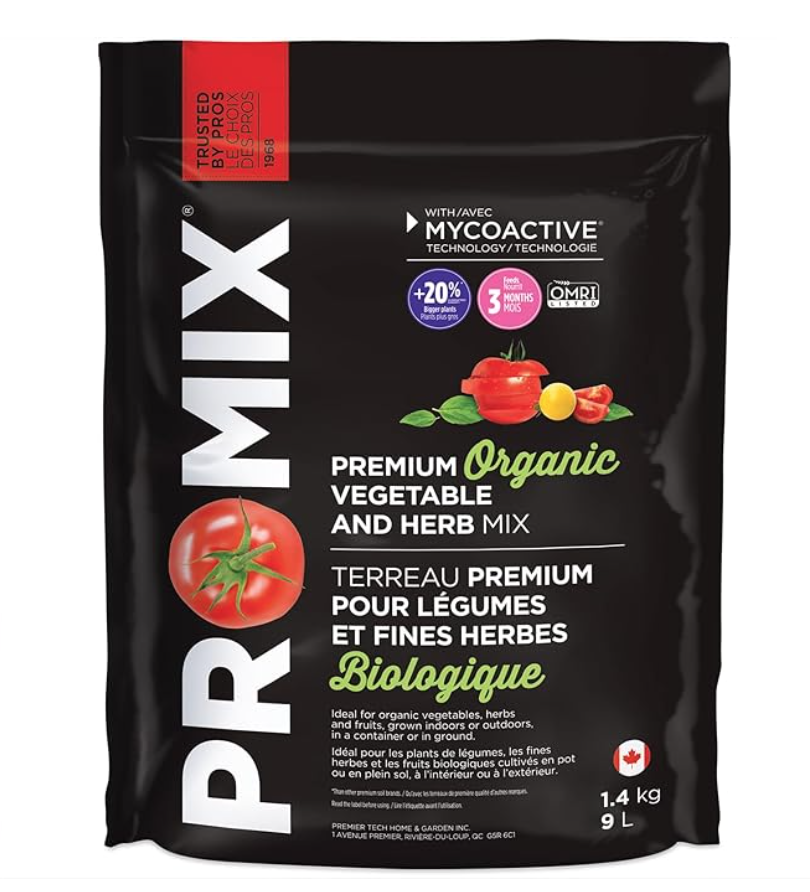
Start by using a high quality soil mix specific for veggies and herbs, like this one from ProMix.
Then, add 2-3 inches of damp soil to a shallow seed tray with drainage holes on the bottom.
A DIY/free option for seed starting is to use a recycled plastic container from salad greens or mushrooms.
Heavily seed the tray so the entire soil surface is covered in seeds.
Then, add a little bit more soil on top, water and cover with a humidity dome until germination begins.
With these salad greens you can go from seed to harvest in as little as 25-45 days!
2. Microgreens
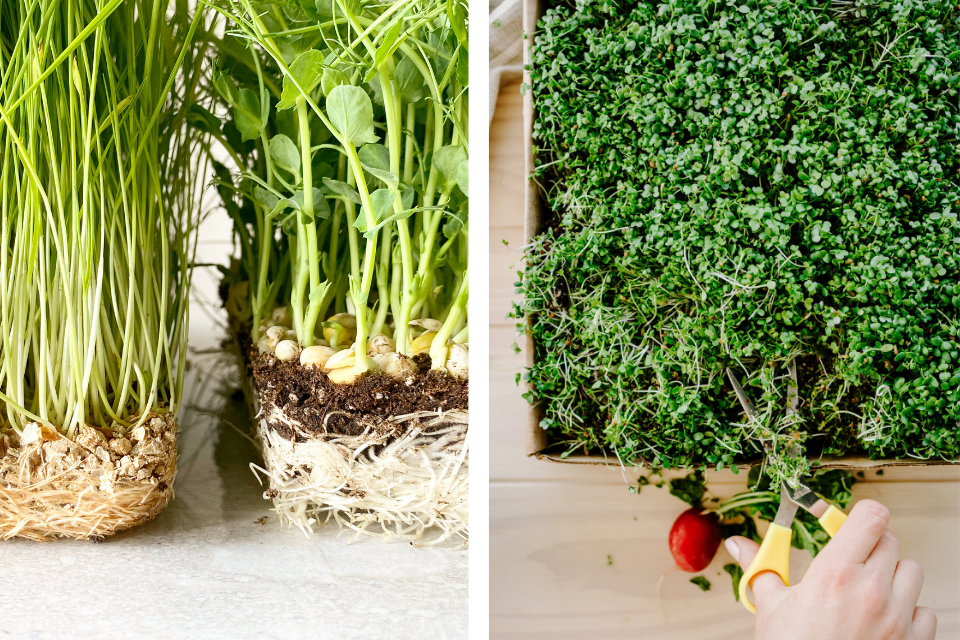
Microgreens are another incredibly easy veggie to grow indoors during the winter.
And there are so many great options to choose from!
Sunflower shoots, wheatgrass, cress, salad mix…the options are endless.
How To Grow Microgreens Indoors In The Winter
Growing microgreens is a very similar process to growing salad greens, but there is one key difference.
After seeding, cover your tray with a weighted layer. I use a second seed tray and fill it with 3-5 lbs of weight. Books work great.
Keep the tray covered for 2-4 days, misting with water regularly to keep the seeds damp.
I have a full blog on growing microgreens, How To Grow Microgreens In 5 Easy Steps for more detailed growing info.
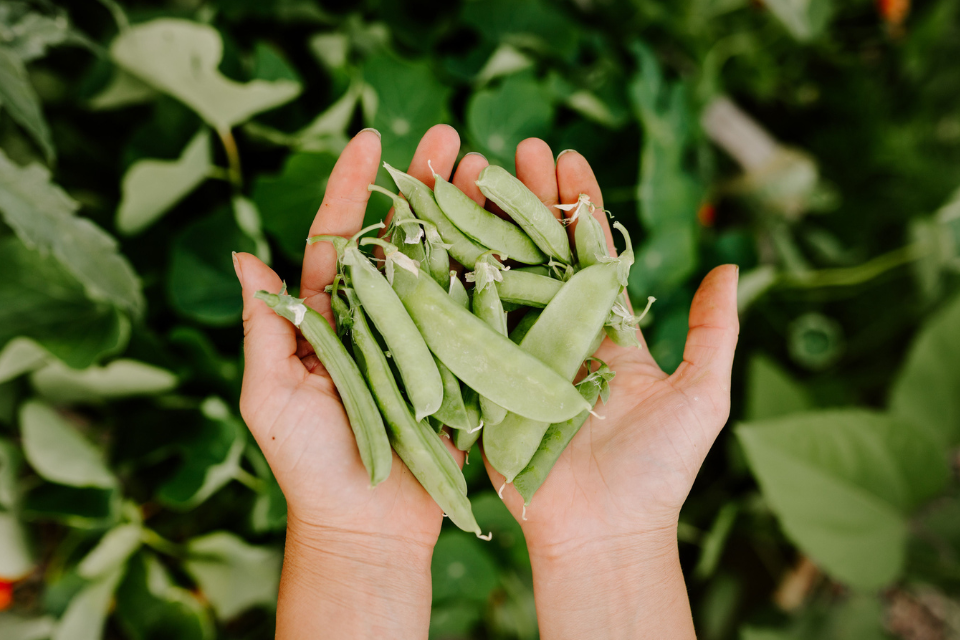
3. Peas & Pea Shoots

Gardeners are often surprised that you can grow peas indoors in the Winter, but it’s true! And lots of fun.
What I love about growing peas indoors is that you can harvest both the shoots and the pods.
How To Grow Peas Indoors In The Winter
Pea shoots are fast-growing and ready to eat within 40 days.
Whereas pea pods will take anywhere from 65-85 days before they are ready to harvest.
*Note: Peas are a veggie that require additional light from a grow light when grown indoors.
Sow peas 1 inch deep into high quality potting soil. Water soil to keep it consistently damp until germination begins.
For best results, choose a dwarf variety of pea that is meant for containers or small spaces.
Peas become bushy, vining plants so provide them enough space to grow as well as a stake to vine up.
4. Fast Growing Annual Herbs
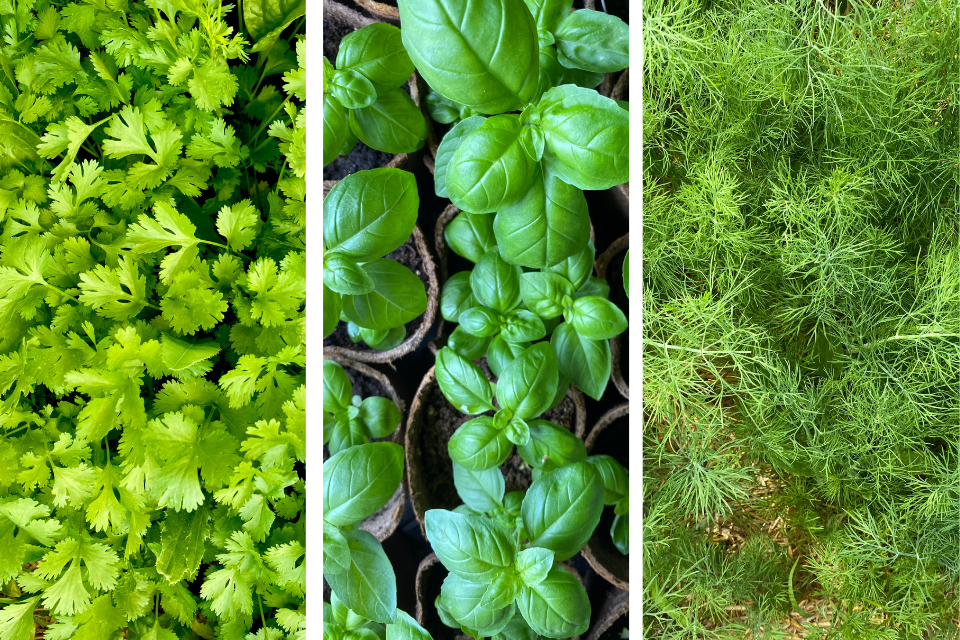
There’s nothing like adding fresh, homegrown herbs to a meal in the middle of winter. You really feel like you’re winning!
Plus, you’ll save money. Because grocery store herbs are insanely priced for a wildly small amount. No thanks.
Dill, cilantro and basil are all fast-growing, annual herbs that do well under grow lights.
Or if you live in Canada, start them after March and they’ll do great without a grow light.
How To Grow Herbs Indoors In The Winter
Cilantro and dill grow best when heavily seeded in a shallow container.
With basil, I suggest planting 1-2 seeds in each individual cell. Planting basil individually will allow the plants to get bigger and bushier.
In past years, I’ve started basil indoors in Jan-Feb and planted it out in the garden come May. By that time, my plants are huge and I have a great, big basil patch to enjoy throughout the Summer.
My favourites annual herb varieties to grow indoors:
5. Carrots

Yes, carrots! You can grow carrots indoors in the winter and harvest the stems or wait until roots develop.
Again, it’s best to look for a variety of carrot that is on the smaller size and/or better suited to growing in containers.
Little Fingers Carrots are a great option. I also like the Paris Market Carrots (pictured above) which are a globe-shaped carrot that grow round.
How To Grow Carrots Indoors In The Winter
Use a container that is at least 8 inches deep and has drainage holes on the bottom.
Fill with a high quality potting soil, stopping 1-2 inches from the top. Get the soil damp but not too wet that there is standing water.
Sprinkle your carrot seeds over the surface. Carrot seeds are very fine so don’t worry about spacing them out. You will thin after a few weeks.
Cover with a thin layer of soil, moisten with a spray bottle and then place under grow lights.
Make sure to keep soil damp consistently during germination. This is key for growing carrots!
Within 10-12 days, your carrots will begin to sprout. Thin them as needed by pulling out carrot tops that are spaced too closely together.
Within 60-75 days your carrots will be ready to harvest!
6. Mushrooms
Oyster mushrooms (pictured above) are really easy to grow indoors during the Winter. Like almost fool-proof.
Plus, they’ll be ready to harvest in as little as 1 week!
That is as long as you have the right set-up….
So the first step to growing oyster mushrooms at home is starting with a growing kit that includes mushroom spawn (mushroom fungus).
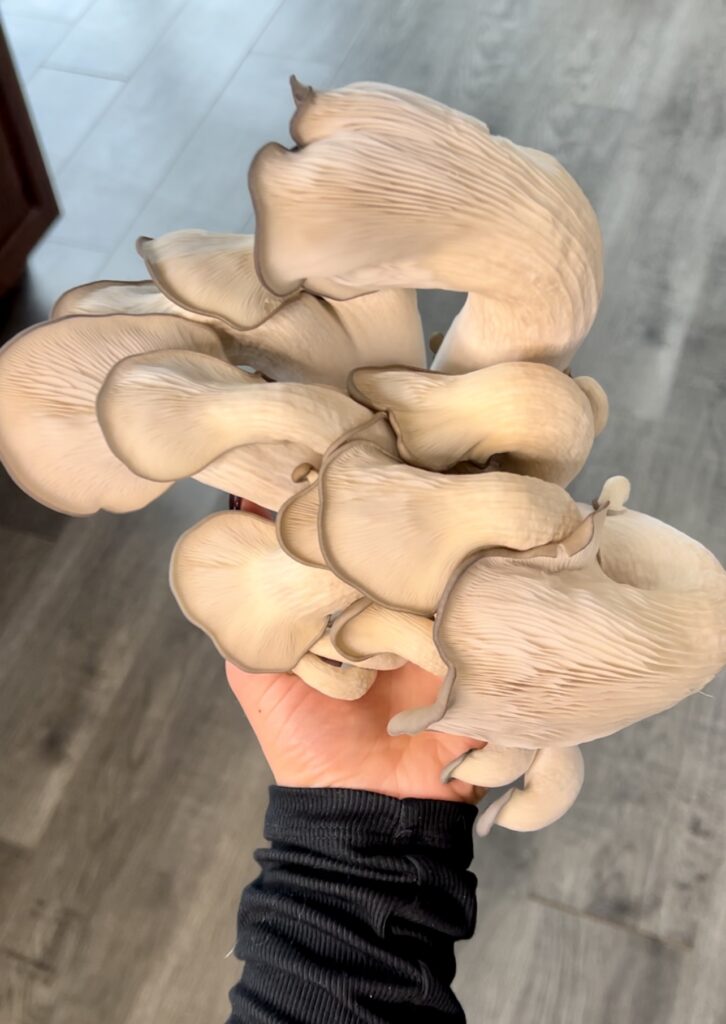
Once you’ve got your mushroom growing kit, you don’t need any other fancy equipment.
Keep mushrooms in a room that gets some light but is not directly in the sun.
Mist them daily, keeping an eye on humidity.
Then, you’ll be harvesting a gorgeous fruiting in no time.
Check out my post How To Grow Oyster Mushrooms At Home In 5 Easy Steps for complete step-by-step growing details.
7. Asian Greens
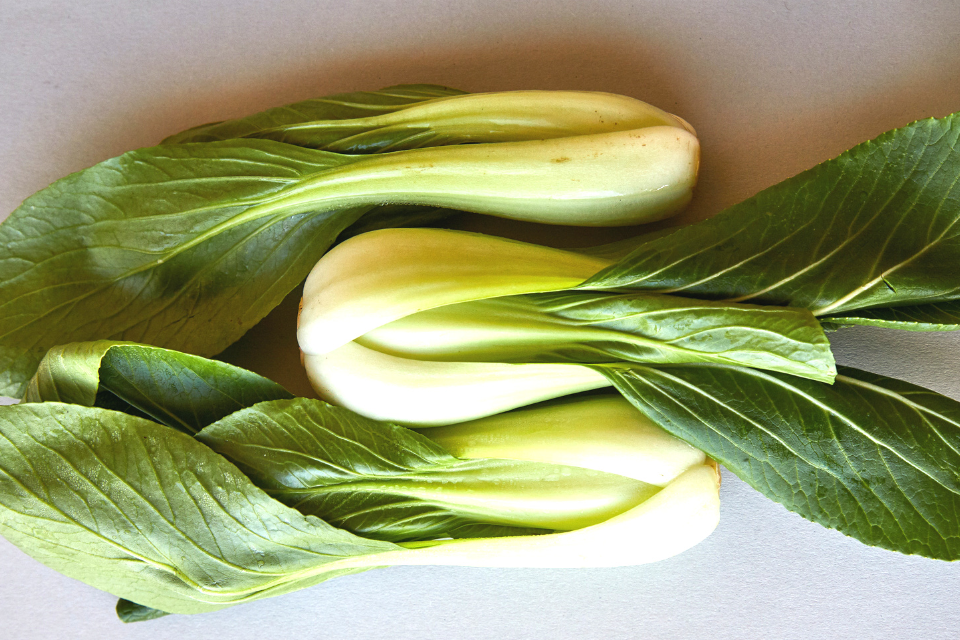
Asian greens are vegetables such as;
They produce dark green leaves with white stems and typically grow in a compact, upright manner.
Asian greens grow exceptionally well in containers and many varieties are well-suited to growing both indoors and out.
How To Grow Asian Greens Indoors In The Winter
For optimum growth, sow 1 seed per cell.
Once plants put on their true leaves and begin to bush out, transplant to a larger container. I like to use rectangular, shallow containers and grow 3-4 plants in each.
Your asian greens can be harvested as baby greens after 25-30 days, or harested at full maturity around 45-50 days.
8. Cucumbers
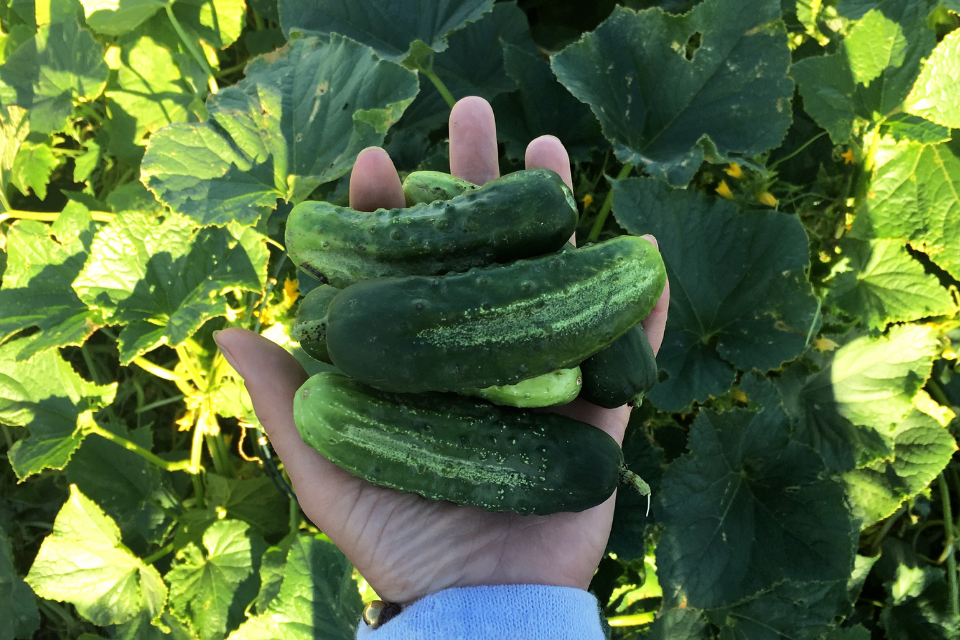
Cucumbers are another veggie you might be surprised to hear you can grow indoors in the winter!
And while they don’t necessarily fall into the easy category….
They’re not necessarily complicated either.
You just need a few key things to grow cucumbers indoors in the Winter successfully.
How To Grow Cucumbers Indoors In The Winter
First, make sure to pick a container-specific or dwarf variety.
Two dwarf cucumber varieties we’ve had success growing indoors in the Winter:
I’d also suggest looking for a parthenocarpic variety of cucumber, meaning fruit will develop without requiring fertilization or pollination.
This is great for indoor growing as it will ensure your cucumber vines put on fruit without needing wind or bees to pollinate.
Linked here are a few great parthenocarpic cucumber varieties to choose from from my preferred seed vendor, West Coast Seeds.
Next, invest in the following must-have supplies:
- Heat mat — will provide your cucumbers bottom heat & speed up the germination process
- Grow light — you will need to purchase a grow light with a Kelvin rating of 3500 or higher, like this one, in order to get your cucumbers to fruit
- Humidity dome — necessary for germination to create a humid, warm environment
From there, sow one cucumber seed per cell.
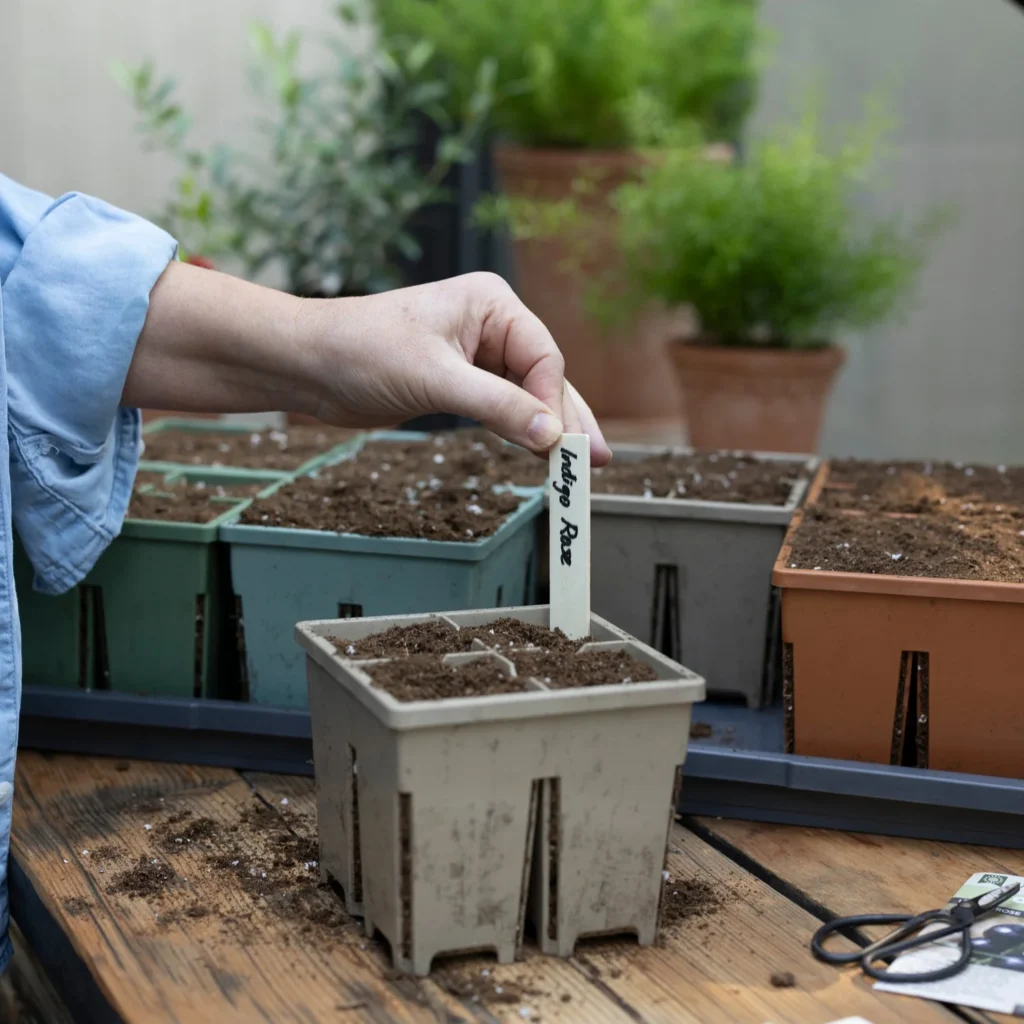
Once seedlings are 25-30 days old, transplant to a large container with a support for the vines to climb up.
Then you’ll have cucumbers ready for harvest in about 60-75 days!
9. Broccoli Rabe

Broccoli Rabe or Rapini is in the same cruciferous family as broccoli.
However, broccoli rabe doesn’t form a large head but rather puts off many small edible leaves, buds and shoots.
This makes it a perfect veggie for growing indoors over Winter!
Plus, you don’t have to deal with the many pests that tend to pressure broccoli when grown outdoors (if you know, you know).
Rabe/rapini will also continue to put on new growth for months and months.
So it’s a great plant to begin growing and harvesting indoors in Winter and then transplant outside come Spring.
If you practice succession planting, you could easily grow rabe year round too.
How To Grow Broccoli Rabe/Rapini Indoors In The Winter
Sow one seed per cell.
Once seedlings are 25-30 days old, transplant to a large container that allows them to get wider.
Broccoli rabe is ready to harvest within only 45 days — nearly half the time as a head of broccoli.
10. Butterhead Lettuces

Last but not least, I so encourage you to try growing a few different varieties of butterhead lettuces indoors this Winter!
They are easy-to-grow and super fast-growing.
You can easily harvest baby greens within as little as 40 days!
Plus, butterhead lettuces actually prefer cooler temperatures, so no need to worry about providing additional warmth or humidity in your indoor set-up.
How To Grow Butter Lettuce Indoors In The Winter
Lettuce seeds are quite fine and small, so I find pre-germinating in a damp paper towel makes them easier to plant.
Simply wet a paper towel and sprinkle seeds on one half. Fold it so seeds are covered between the two damp layers.
Place it in a sealed plastic bag and put under your grow light or tape to a window with full sun.
Within 7-15 days seeds will begin to sprout. Transplant to a 1-inch deep planting cell.
Once lettuce starts to widen out, transplant to a shallow container. Some varieties get as large as 10-inches wide!
And there you have it!
Those are the top 10 veggies to grow indoors in the Winter.
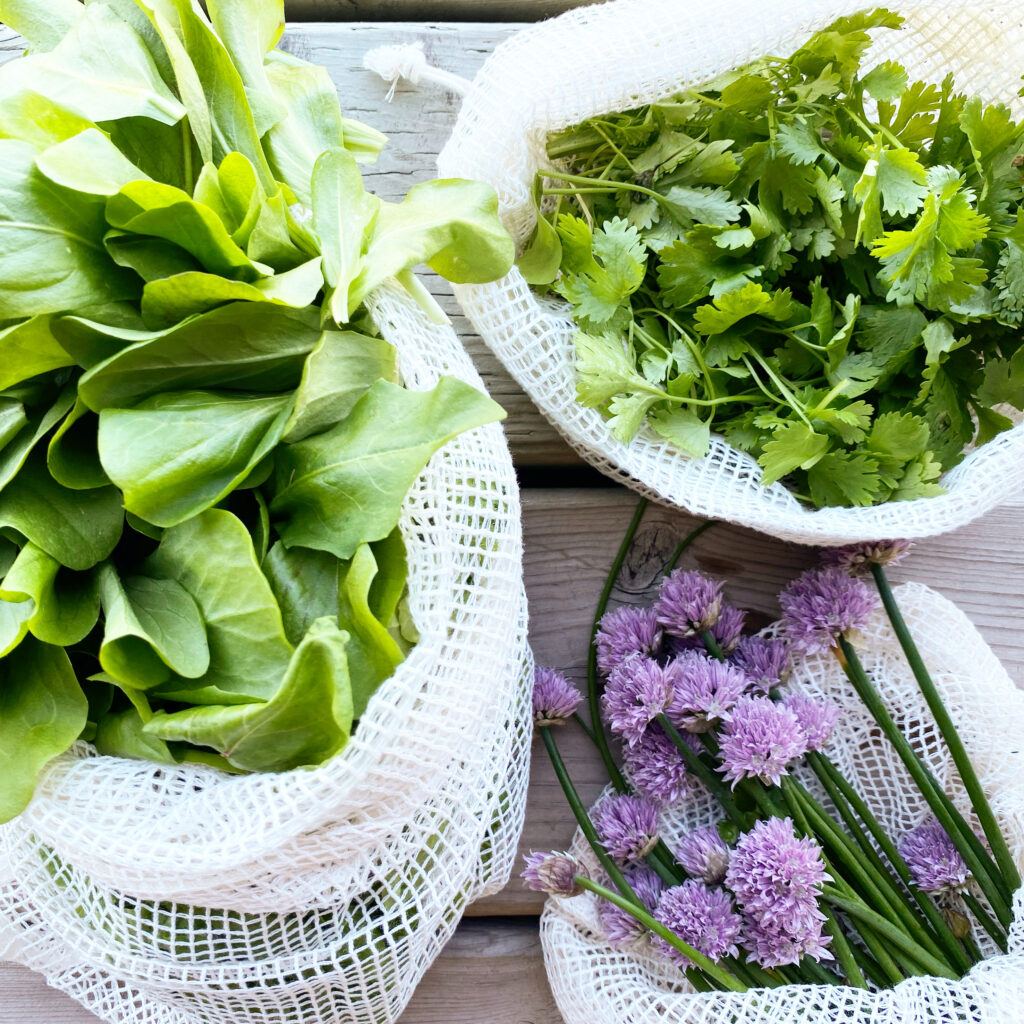
I hope this post inspires you to continue your gardening in the cold, winter months.