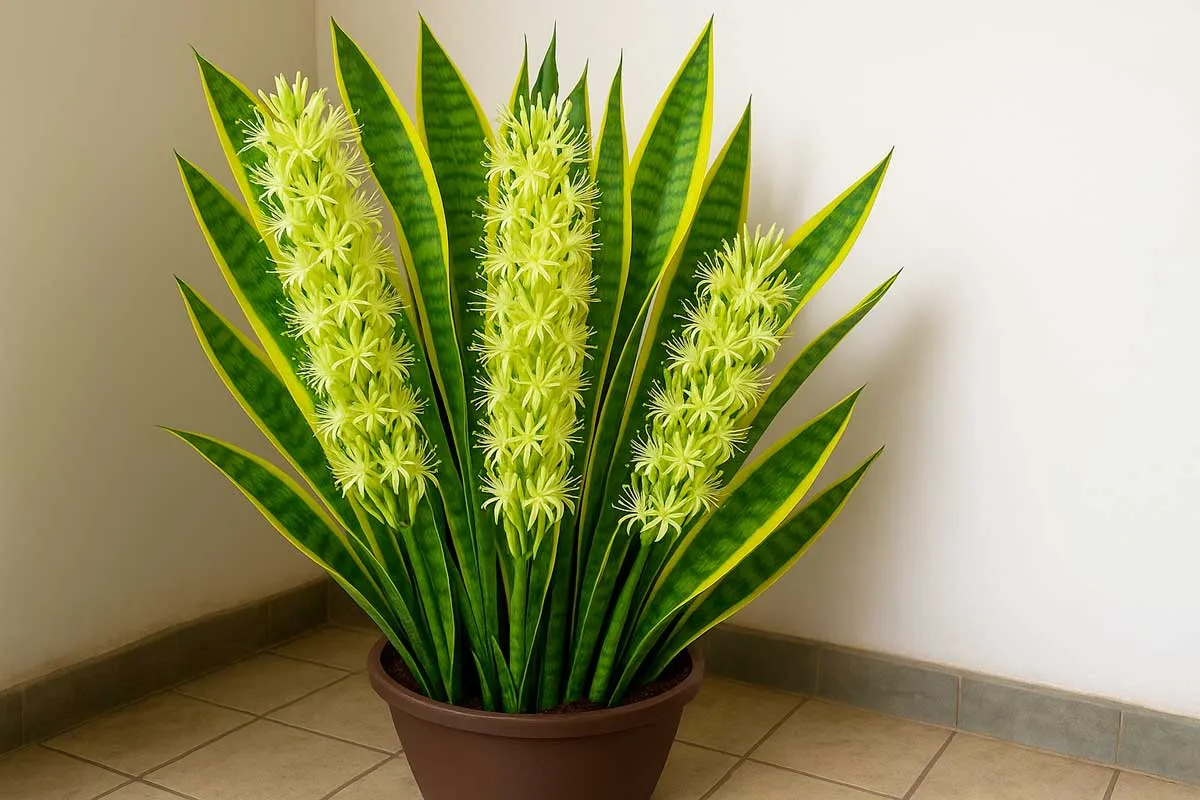
Mother-in-law’s tongue, also known as Sansevieria, is famous for its toughness and air-purifying abilities. It’s the perfect plant for beginners because it needs very little care and can thrive even in the darkest corners of your home.
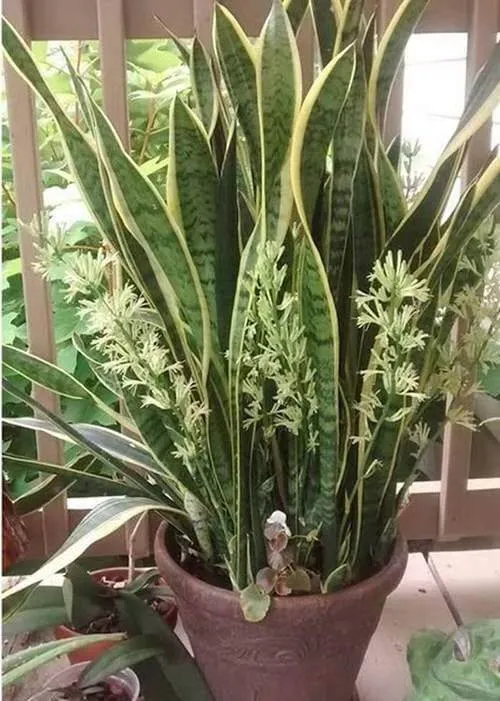
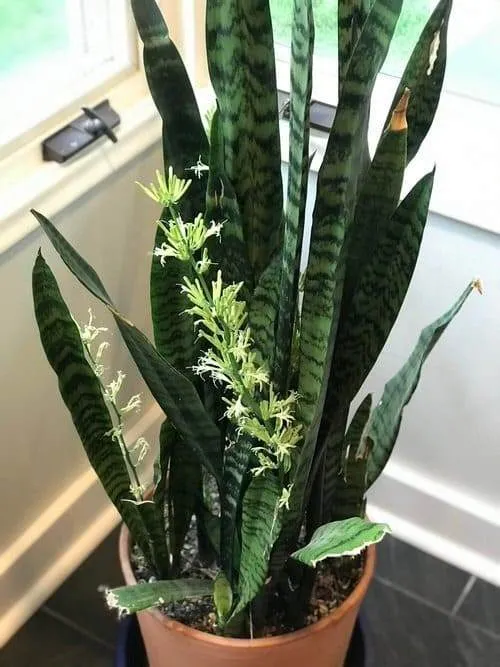
Although it doesn’t flower often, its delicate, fragrant blooms are a wonderful surprise when they appear. To encourage blooming, you simply need to provide the right conditions—and add a little creative boost.
Essential Conditions for a Blooming Sansevieria
1. Watering
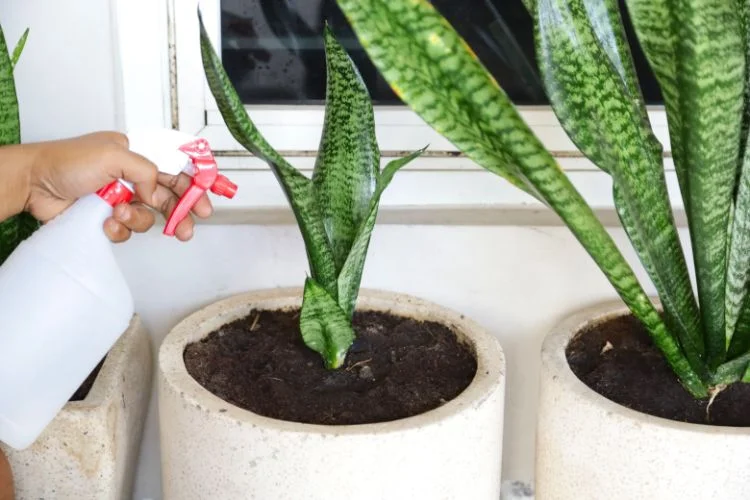
Sansevieria tolerates drought extremely well, but consistent hydration during the growing season can support flowering. In spring and summer, keep the soil lightly moist, never soggy. A well-draining potting mix is essential.
In winter, reduce watering significantly. Too much water during dormancy is one of the main reasons Sansevieria refuses to bloom.
2. Light
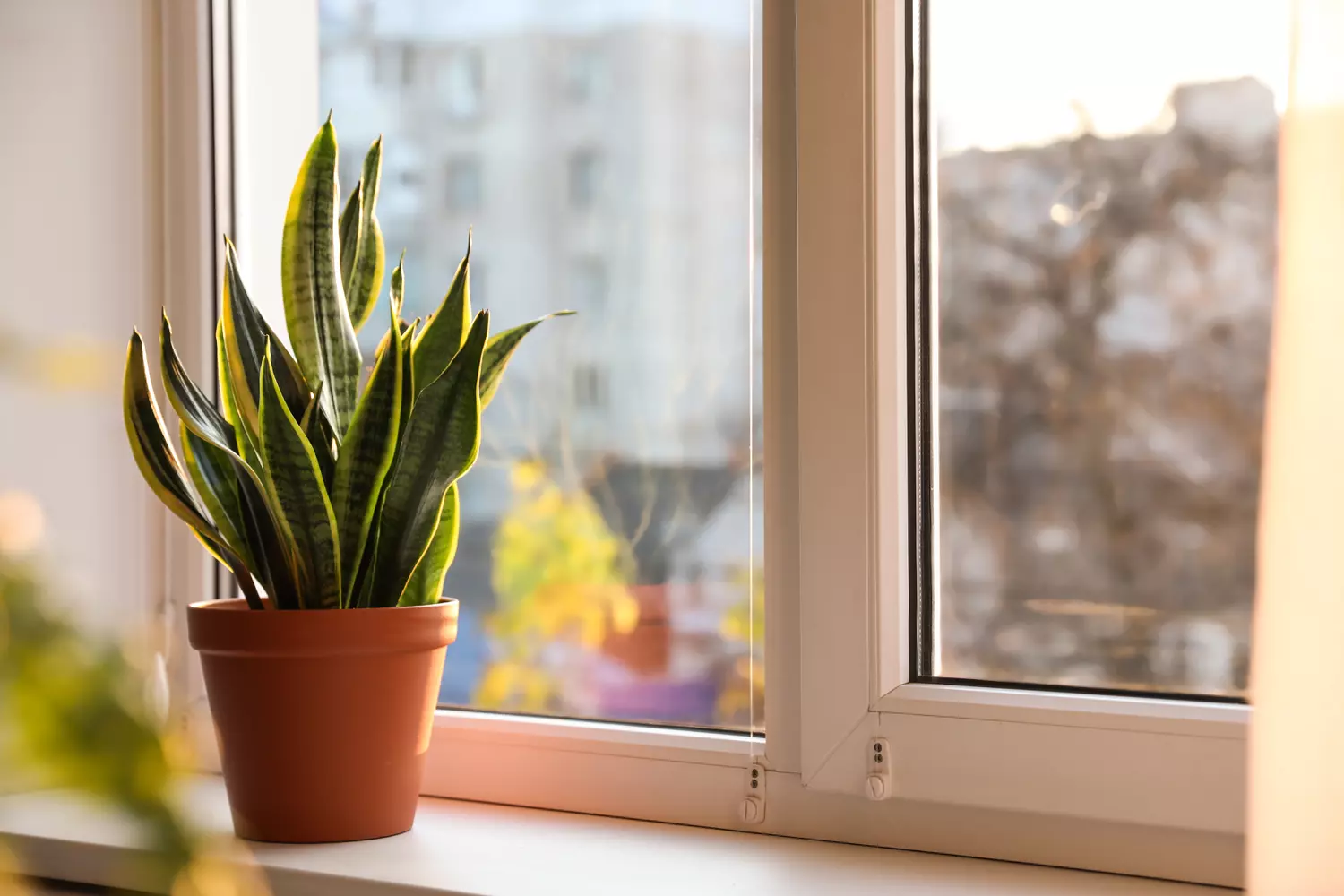
This plant survives in low light, which makes it ideal indoors—but flowering requires brighter conditions. Place it in bright, indirect light. A spot near a window with filtered sun is perfect. Avoid harsh direct sunlight, which can scorch the leaves.
3. Temperature
Sansevieria loves warmth. The ideal range is 21–32°C (70–90°F) during the day, and it should not drop below 10°C (50°F) at night. Keep it away from cold drafts and sudden temperature swings.
Two “Secret” Ingredients to Encourage Flowering
1. Rice Water
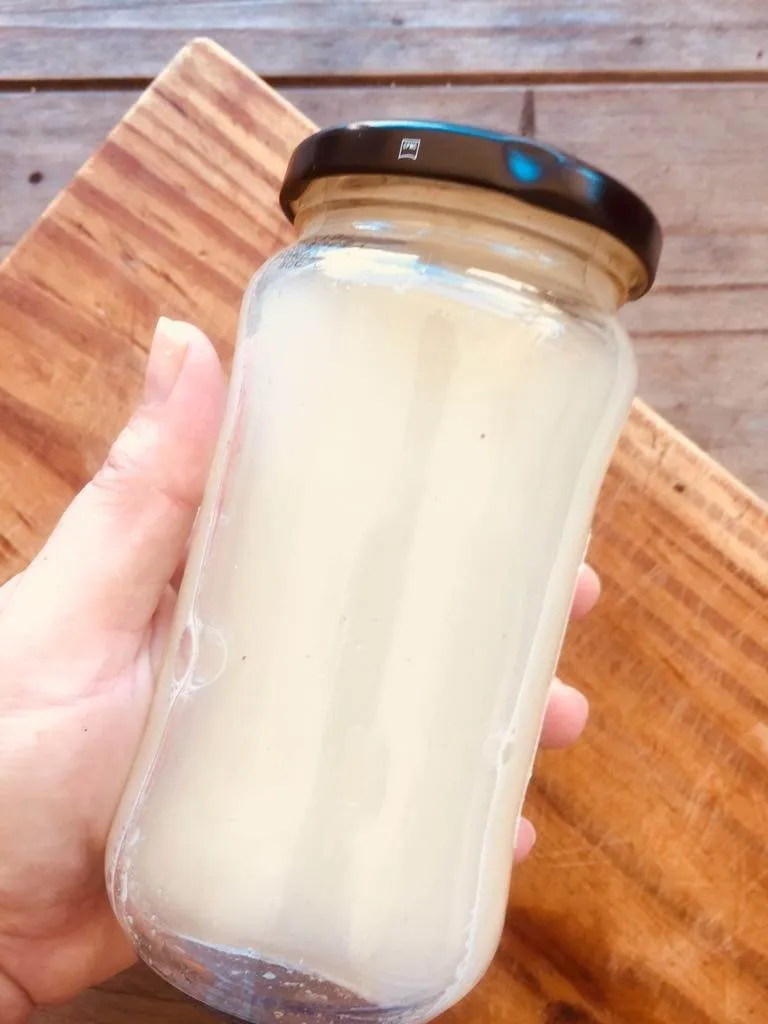
Rice water can act as a gentle natural fertilizer. Soak one cup of rice in water for about 30 minutes, then strain it. Use that nutrient-rich water to irrigate your plant.
Rice water contains mild minerals and starches that can stimulate growth and may help trigger blooms.
2. Pasta Cooking Water
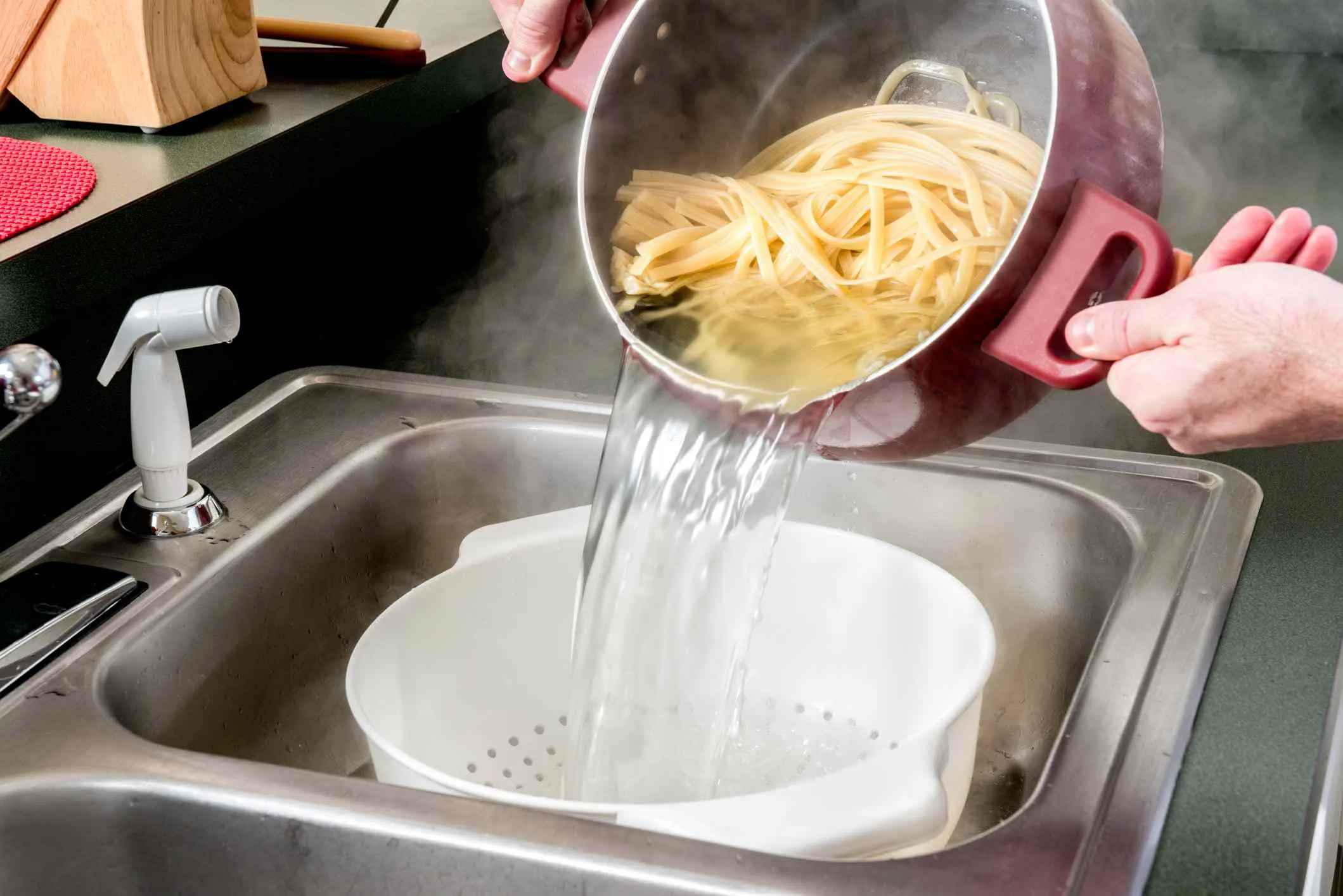
The cooled water left from cooking pasta can also be reused. Let it return to room temperature, then water your plant with it.
The starch in pasta water provides a light energy source for soil microbes and roots—sometimes giving the plant the extra push it needs to flower.
Important: Use only unsalted pasta water. Salt can damage roots.
FAQ — Common Questions
1. Do all Sansevierias flower?
No. Flowering is more likely in mature plants, but it’s never guaranteed. Even without blooms, the foliage is the real star of this plant.
2. How long does it take for a Sansevieria to flower?
Sansevieria grows slowly, and blooming depends on age, light, watering, and overall environment. In short: patience is part of the process.
3. Why isn’t mine flowering?
The most common causes are:
-
Overwatering
-
Not enough light
-
A pot that’s too small or crowded
Fixing these issues and giving the plant time often leads to better results.
Conclusion
Getting a Sansevieria to bloom is a fun little challenge. By meeting its basic needs—especially bright indirect light and careful watering—then adding natural boosters like rice water or pasta water, you greatly improve your chances of seeing its rare, elegant flowers.