
Adore the tiny plants and planning to grow them? Read this essential succulent planting guide before you grow them.
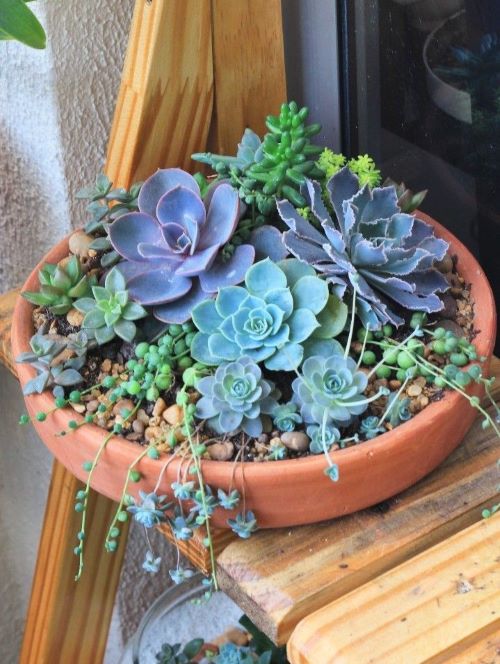
You may have heard that succulents are the easiest plants to grow! Yes, that’s correct, but a few small mistakes can leave them messed up. Firsts are always special, whether it’s growing a succulent or learning something new! Learn the skill of growing succulents, and this guide will turn you into a master, even if you are a new gardener.
It covers everything you need to know before growing succulents, along with recommended products for serious plant lovers.
Points to be Noted Before Planting Succulents
1. Succulents Hate Regular Gardening Soil
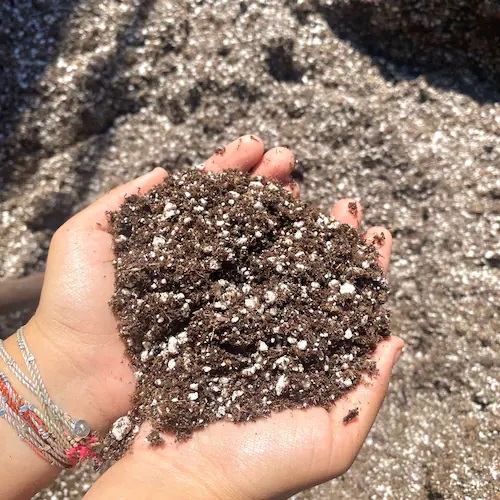
If you think the regular gardening soil will work with them, then you need to change your thoughts immediately. Don’t worry, this is a common mistake by beginners! Succulents need fast-draining soil that dries quickly after watering. If grown in dense soil, it traps moisture around the roots, which often leads to root rot.
Give your beauties the fast-draining soil they actually need with Miracle-Gro Cactus Mix.
The preferred soil is a cactus and succulent mix, which consists of sand, pumice, or perlite, giving the plants proper drainage and airflow.
2. Drainage Holes Are Non-Negotiable
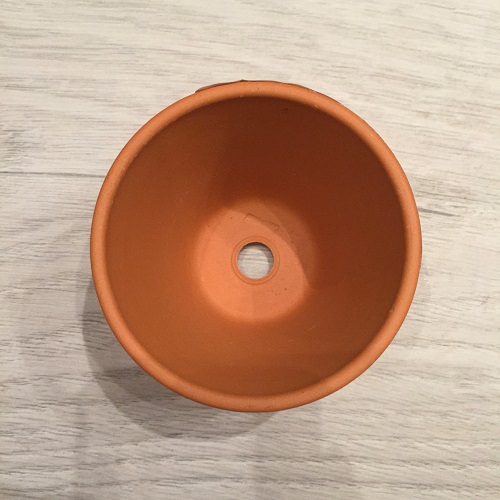
Succulents look attractive in decorative pots, and usually, when they are indoors, they are in ceramic pots to up the aesthetics. But when these pretty pots are picked, you might miss checking the drainage holes. The succulents in them can slowly destroy the roots.
Become a pro in succulent gardening with the help of this beginner’s guide book.
So, always choose the pots with proper drainage holes, whether decorative or simply terracotta. The excess water should flow freely from the bottom of the container.
Tip: Keep the terracotta pot with the succulent in the larger ceramic one for aesthetics.
3. Overwatering Kills More Succulents
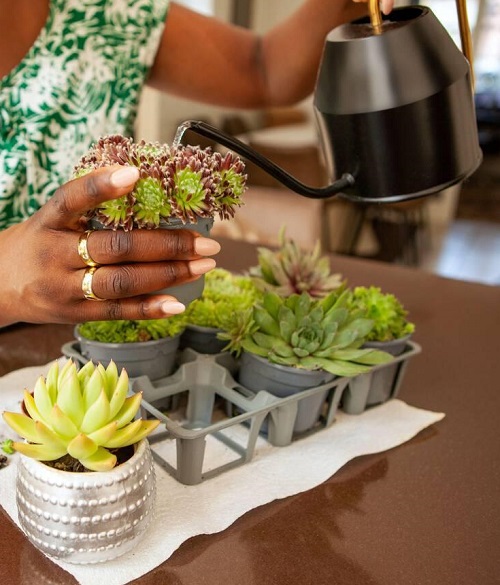
Succulents have the superpower to store water inside their leaves, so they do not need constant watering. Never water them like regular houseplants; otherwise, you will notice mushy stems and black roots.
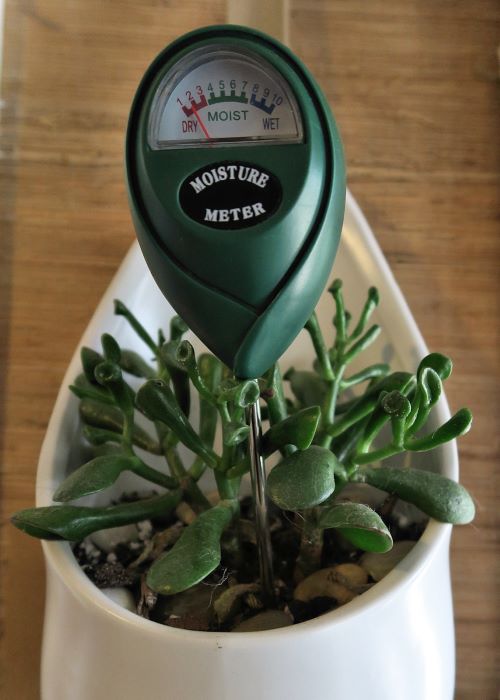
Stop guessing watering schedules and check soil moisture the easy way by using a soil moisture meter.
Always follow the rule of checking the soil with your fingers. The topsoil should be dry at least two inches before watering it again.
4. Succulents Need Change by Variety
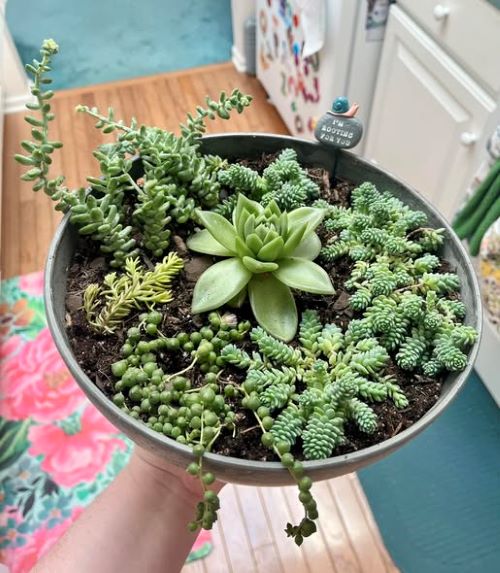
Not all succulents need direct light; some also grow in indirect light and some in dappled sunlight. Some love to drench themselves in sunrays, while others burn easily in harsh afternoon heat.
Keep indoor succulents compact and colorful with a reliable grow light setup.
Echeverias and Sedums usually enjoy bright light, while Haworthias prefer softer, indirect light. Always watch for signs like stretching, fading colors, or scorched leaves.
5. Indoor Succulents Often Need Grow Lights
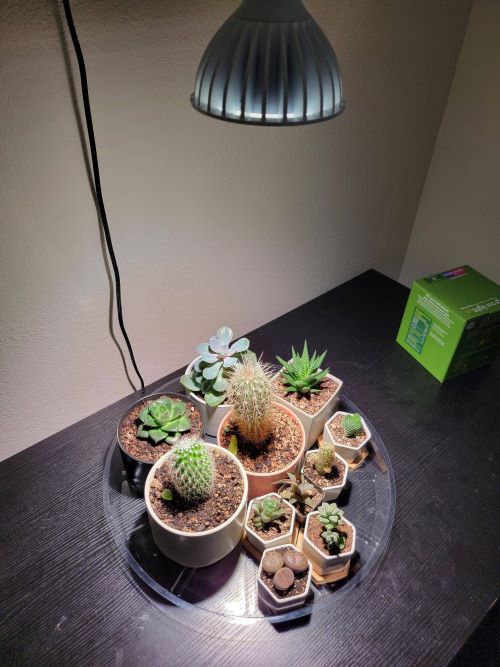
Give your succulents the perfect indoor sunlight replacement with premium grow lights trusted by serious plant lovers.
If you are living in a place where there is no ample sunlight and you are a plant lover, then a grow light is the best option.
To grow the succulent healthier, it needs enough light; otherwise, it will become leggy and weak. A quality grow light can completely change the look of your indoor succulents.
6. Terracotta Pots are Better Than Plastic
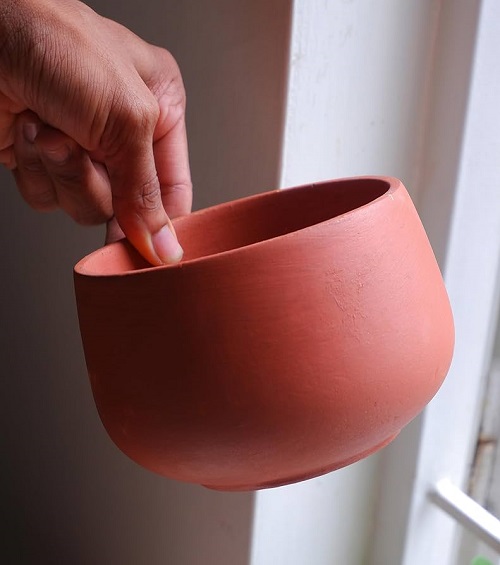
Plastic pots are cheaper and look better, but they hold moisture longer, while terracotta allows airflow through the container walls.
Switch to breathable terracotta pots for easier succulent care.
This helps in reducing overwatering problems. Terracotta is especially useful for beginners who are still learning proper watering habits.
7. Tiny Decorative Pots Dry Out Faster
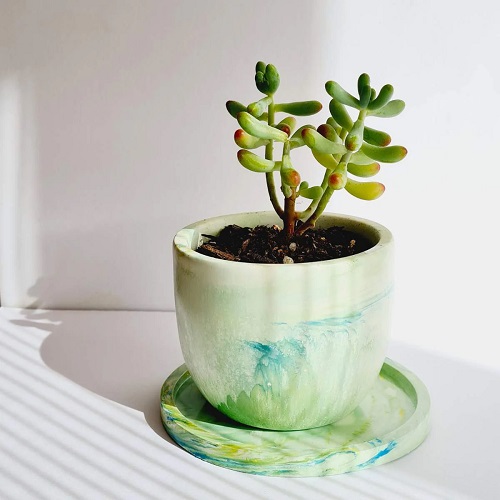
Mini succulent pots look cute, but the soil in them dries out extremely quickly. Small containers may require more frequent monitoring, especially in hot weather.
So, picking up medium- and larger containers helps you to maintain stable moisture levels of the succulents.
Give your succulents more room to grow with stylish ceramic planters.
8. Succulents Need Airflow
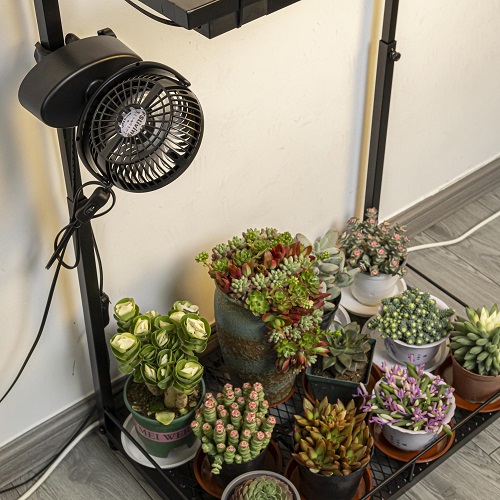
Succulents, when kept on crowded shelves or in closed containers, invite mold, fungus, and rot around succulent leaves and stems because of poor airflow.
Improve airflow with the TurboForce Air Circulator around indoor succulents and reduce moisture problems.
It creates a moisture buildup when they are grown together in a large container, as there is no space to grow. A small fan near them will help indoor collections stay healthier, and they need space with other succulents.
9. Succulents Grow Better with Proper Fertilizer
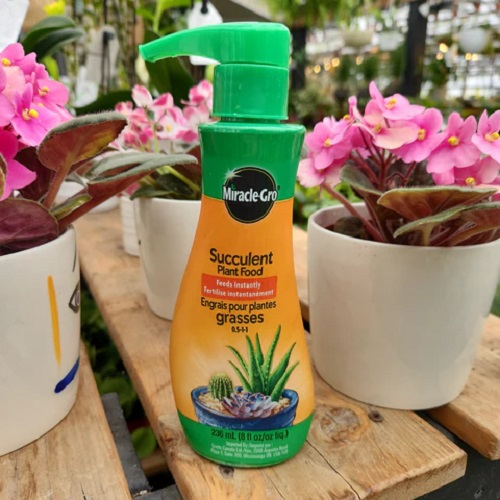
Don’t worry about fertilizer, as succulents do not need heavy feeding. They only need occasional fertilizer during their active growth, which helps in improving their color and growth. Use a gentle fertilizer that is specially designed for cacti and succulents.
Feed your succulents the right way with a balanced fertilizer.
10. Repotting Helps Prevent Root Problems
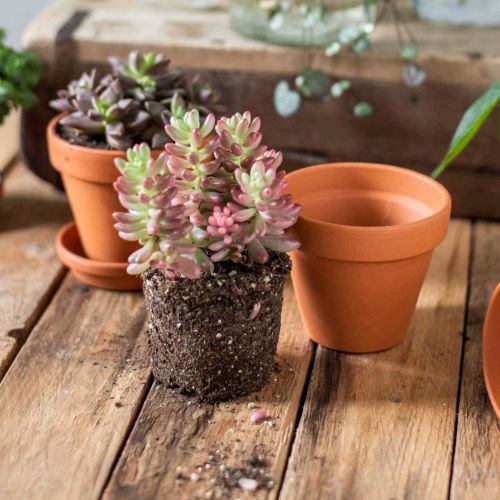
If you are getting store-bought succulents, they often arrive in compact nursery soil that stays wet too long. So, give them a new home by repotting into fresh soil and a suitable pot that allows water flow.
Make repotting easier with sturdy gardening tools designed for indoor plants.
Even when you haven’t brought them from the nursery, also repot them in 1-2 years depending on their growth. If the plants are rootbound, then they also need a shift into new soil.
11. Pebbles on Top Are Mostly Decorative
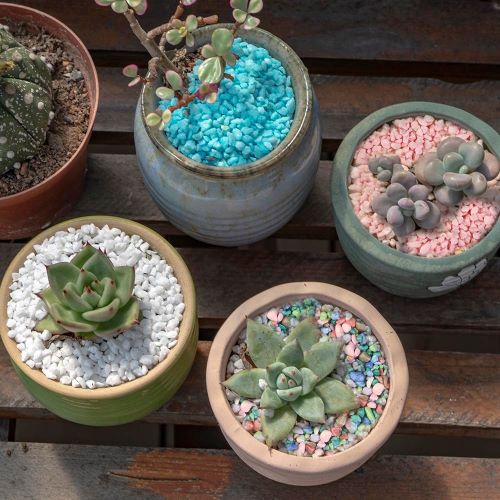
You might have noticed decorative pebbles on the topsoil of plants, but thick layers of them may trap moisture. Top-dressing stones can make arrangements look beautiful. When placed around the crown of the plant, they will increase humidity, so use them lightly and avoid covering the base completely.
Add a clean, finished look to succulent pots with decorative stones.
12. Cold Weather Can Damage Succulents
Many succulents are sensitive to frost and cold winds, so do give a check to which one you brought to your home. Temperatures below freezing will damage their leaves and roots quickly. Bring your delicate succulents indoors during winter. Also, don’t keep them near the windows, as they may get cold at night.
Protect your succulents from cold weather with a compact greenhouse setup.
13. Succulents Need Different Care in Summer and Winter
Just like each succulent needs a different amount of light, they also need different care in different seasons. During summer, succulents may need more frequent watering because they dry faster.
Monitor indoor temperature and humidity for healthier succulent care year-round. Get an indoor hygrometer thermometer!
In winter, many plants enter dormancy and need less water, but they require light. Adjust your care routines according to the seasons.
14. Crowded Succulent Arrangements Can Cause Rot
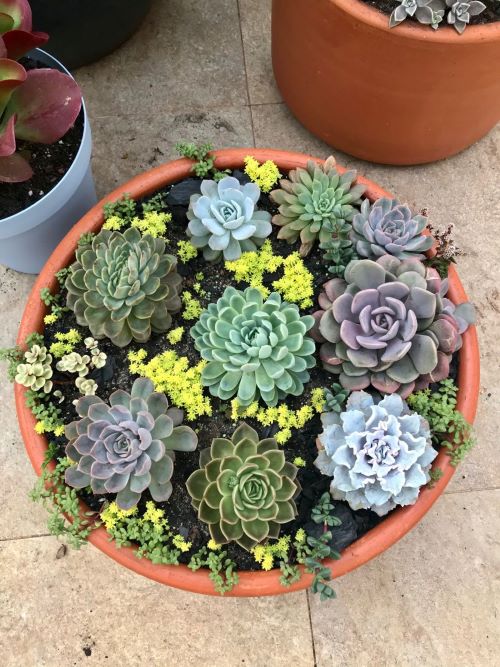
People love to grow varieties of succulents together, some displaying different leaf colors, some arranged beautifully to create certain shapes.
Display succulent collections beautifully with this wooden plant stand while improving airflow.
Succulents, when placed too close together, block airflow and trap moisture. Leave enough space between plants so leaves can breathe even when you are creating a terrarium in a large container.
15. Always Quarantine New Plants
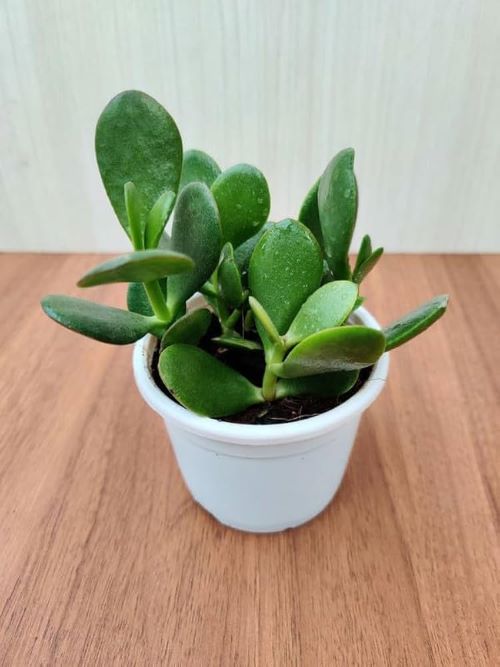
When buying plants from a nursery, some new succulents may carry pests like mealybugs or fungus gnats. Keep these new plants away from existing collections for a few weeks. It may sound simple to you, but this habit can prevent large infestations. So, save your plant with this easiest hack.
Protect your succulent collection naturally with neem oil spray.
16. Root Rot Starts Below the Soil
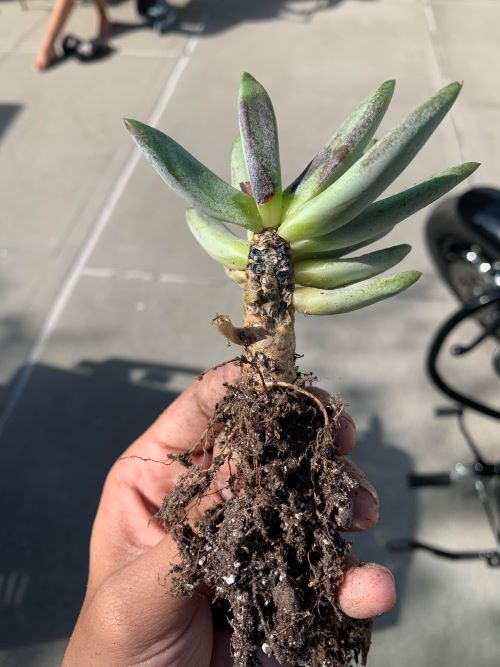
Sometimes you will notice that succulents look healthy, but there is no noticeable growth. The problem is that above the soil, they are all good, while the roots are already rotting underneath.
Save your succulents from this problem and grow them in a lightweight succulent soil blend.
If you see soft leaves, black stems, and foul smells, those are warning signs that it is overwatered. Fast-draining soil and careful watering will help prevent this.
17. Succulent Spaces Need Proper Lighting
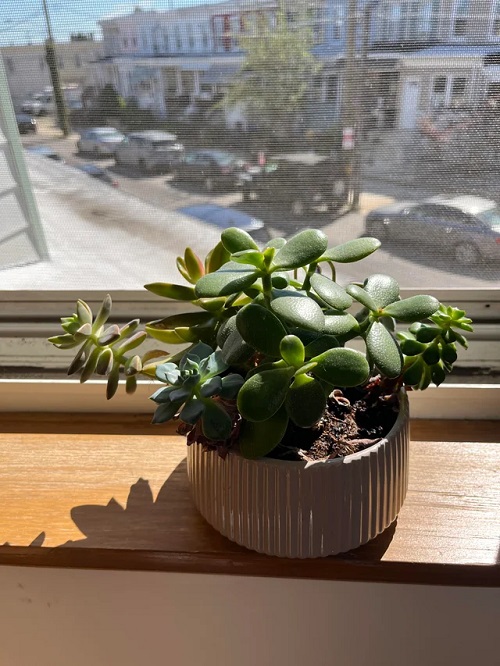
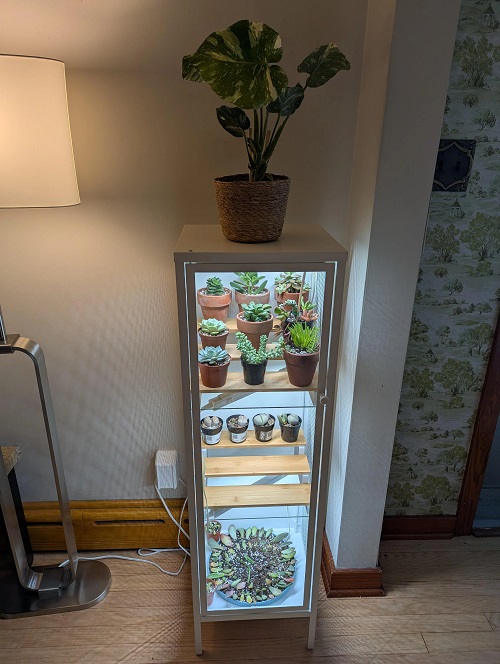
Have you kept your succulents on desks or shelves where sunlight doesn’t reach? Plants kept in shady areas are usually placed far apart and usually need supplemental grow lighting. A complete indoor shelf setup will work well if you are planning to create a larger collection.
Create a stunning indoor succulent display with built-in lighting shelves.
18. Watering Bottles Help Prevent Overwatering
Learn how to grow beautiful succulents confidently with this beginner-friendly guidebook.
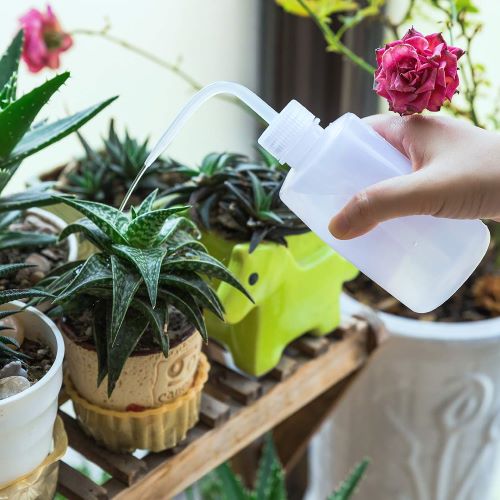
Are you the one who shows love to your plant by watering? Please change this to succulents, as they are not the ones who want to sit in water. Pouring water directly from large water cans often floods the small pots. Narrow-spout watering bottles provide better control.
19. Grow Tents Are Useful for Gardeners
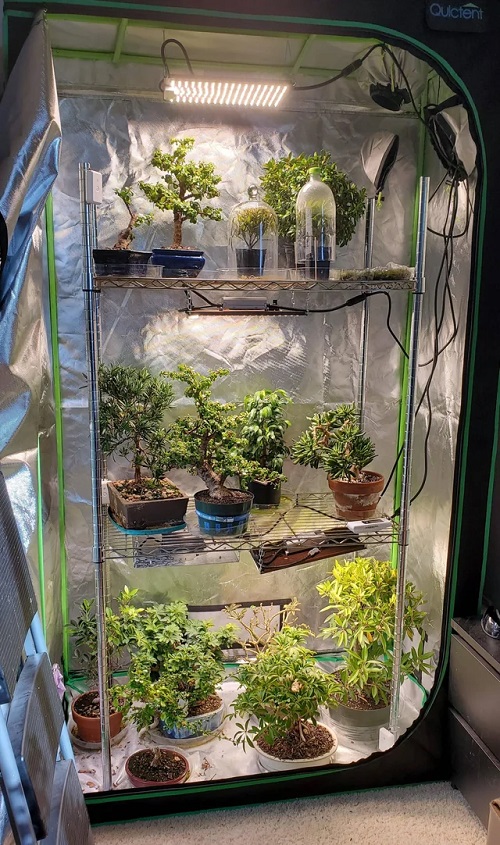
Grab this humidifier with a grow tent, which is easy to use and has plant-friendly designs.
The weather in your area is cold, and you want to add some greens to your space? No worries, succulents are here to fulfill your wishes.
If you grow rare succulents or maintain large collections indoors, controlled environments can help maintain stable light and temperature. This is especially helpful in dark apartments or cold climates.
20. Labels Help You Track Succulent Types
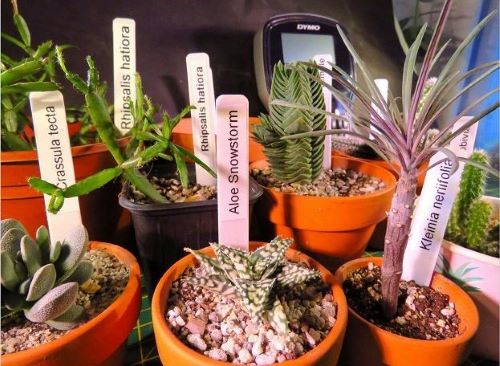
Keep your succulent collection organized with reusable plant labels.
Ever get confused with names when similar succulents are kept together? Many succulents look similar when they are young. Label them with their unique names, which will help in tracking watering needs, growth habits, and sunlight preferences.
21. Pruning Helps Succulents Stay Compact
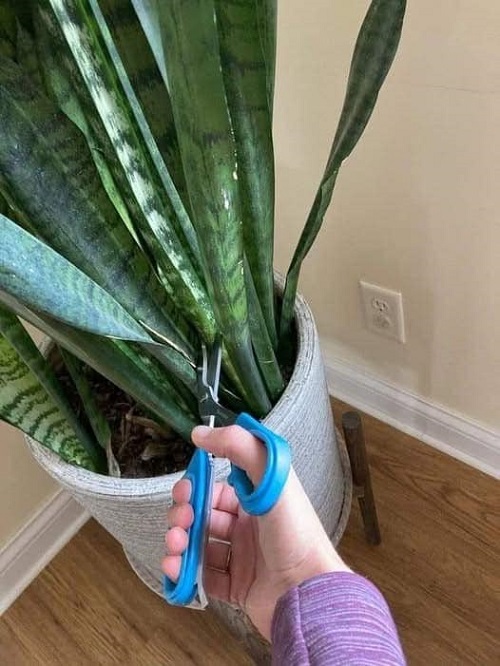
Visit the Wevove Store and grab these 4 packs of garden pruning shears which are sharp and durable for smooth cuts.
When succulents have grown, they do need cleanup at intervals. The leggy stems and dried leaves can make your succulents look messy. Also, remove the dead ends of succulents using sterilized pruning scissors. Regular pruning will encourage cleaner growth and improve airflow.
If you are serious about succulent gardening, a detailed guidebook can help you understand propagation, pest control, lighting, and seasonal care.
Start simple, observe your plants closely, and make small adjustments along the way. If you get confused, just open this guide and treat it as a helpbook. Let us know in the comments how this guide helped you.


