
Prime Minister was pressed in the House of Commons over the rising cost of welfare benefits, following the release of private text messages involving a senior political figure. The exchange occurred during a session where the opposition challenged the government’s record on welfare spending and reform.
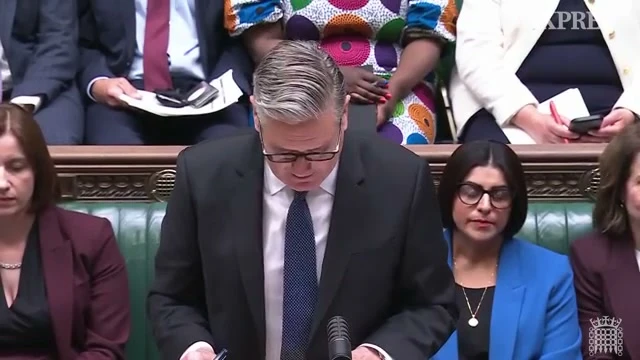
The Prime Minister was asked directly by how much the welfare bill had increased since he came to office. In response, he stated that the government had inherited a broken system from the party opposite. He outlined steps being taken to improve the system, including delivering a youth guarantee, rolling out 300,000 work experience placements, and commissioning Alan Milbour’s review into youth unemployment. He noted that the number on welfare and the cost had risen significantly under the previous government.
The opposition member countered that benefits alone had risen by 20 billion pounds since the Prime Minister came to office. She then asked why there was no welfare reform bill in the King’s speech. The Prime Minister replied that welfare reform involves balancing universal credit so it no longer pushes people away from work, introducing a right to try to incentivize people to take up opportunities, and providing record funding on apprenticeships. He stated that the opposition had voted against these measures.
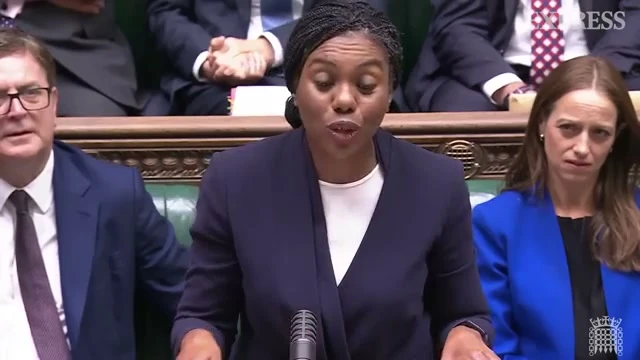
The Prime Minister further argued that the welfare bill had soared to 88 billion pounds under the previous government’s watch, with nearly 3 million people written off and face-to-face assessments collapsing due to contracts signed by the shadow chancellor. The opposition member responded that the bill went up because of the pandemic, adding that the problem was not the shadow chancellor but the actual chancellor, who was not present in her place. She stated that the reason there was no welfare bill was because the Prime Minister had given up.
The opposition pressed the Prime Minister on whether he would cut the benefits bill, noting that the welfare secretary was asked 12 times on national radio on Sunday if he would make cuts and could not answer. The Prime Minister responded that all measures being taken to reform welfare and get young people into work are designed to reduce the cost and number of unemployed people. He cited the youth guarantee, which provides help into work and a supported job for six months after 18 months if needed.
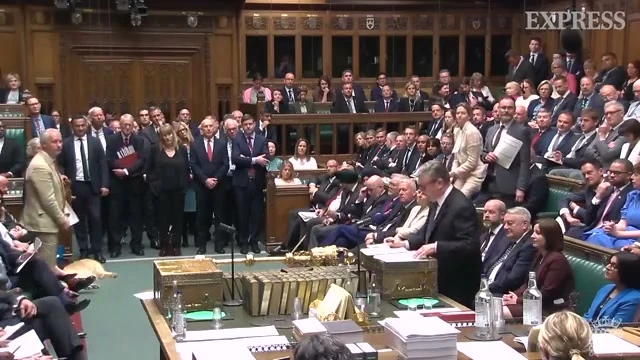
The opposition member argued that none of the Prime Minister’s stated reforms would cut the bill, pointing to his own Tim’s review, which explicitly states it is not about generating proposals for further savings. She recalled that the government had a chance to cut benefits last year but U-turned on the floor of the House. She asked if the Prime Minister agreed with his welfare secretary that this was the moment he lost his authority. The Prime Minister responded by highlighting economic achievements, including the fastest growing economy in the G7, UK growth up and inflation down, net migration down by 82%, the asylum backlog down by 46%, and the fastest reduction in waiting times in the NHS in its history.
The opposition member said the Prime Minister had no authority and that his MPs would not let him do anything. She referenced private text messages, stating that the welfare secretary had said in private what they would not say in public: that every meeting with Labour MPs is about who can be taxed to pay more benefits. She then noted that Tony Blair had said if the Conservative Party repeats its offer of working together on welfare, Labor should accept, and she repeated that offer to the Prime Minister.
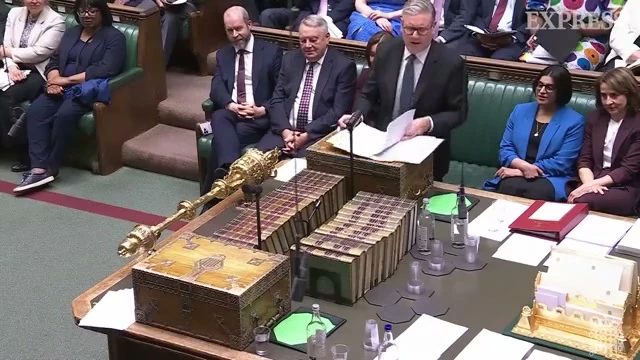
The Prime Minister declined the offer, stating that the opposition introduced a broken system and put the bill through the roof, and they now want to give advice on welfare. He said the question should always be about what help can be given to change people’s lives, which is what the work and pension secretary was arguing. He listed achievements including more rights for renters, more rights for workers including bereavement leave on day one, and lifting half a million children out of poverty.
The opposition member countered that unemployment has risen every single month since the government came into office. She stated that despite the Prime Minister’s huge majority, he does not have the votes to reform welfare, and offered a conservative solution: benefits bill down, taxes down, growth up. She accused the Prime Minister of being a caretaker keeping the seat warm for the mayor of Manchester, and said the problem is the Labor Party.
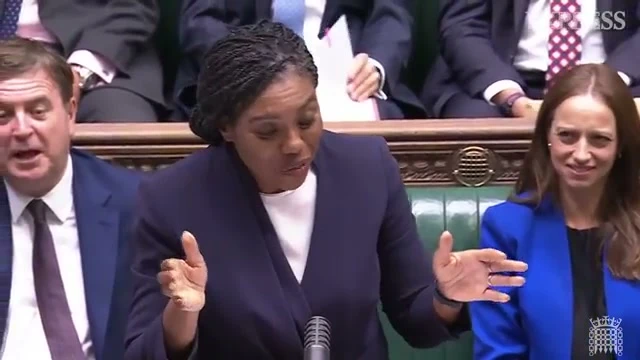
The Prime Minister responded by saying he would not take much notice of the leader of the opposition. He stated that for 14 years, the opposition broke the welfare system, lost control of borders, presided over the biggest fall in living standards on record, and broke the economy, prisons, and the NHS. He declared the change delivered by this Labor government, including the biggest upgrade in workers rights in a generation, renters rights act delivered, record funding for the NHS delivered, the fastest growing economy in the G7 delivered, and lifting half a million children out of poverty delivered. He concluded by stating the government would fight even harder for working people to build a stronger and fairer Britain.


