
A Conservative peer delivered a stark assessment of youth unemployment in the United Kingdom, accusing the current Labour government of destroying young people’s prospects. The speech, delivered in the House of Lords, focused on the rising number of young people classified as NEET—not in education, employment, or training. The peer, referred to as Tory Lord, detailed a series of statistics and economic data to illustrate what he described as a deepening crisis.
The Tory Lord began by recounting his own first job, working as a glass collector and bottle washer at the Farmers Arms pub in Poynton. He argued that hospitality and retail are inseparable from the NEET issue, as they provide jobs on every high street and are part of the answer to youth unemployment. He stated that businesses struggling with increased costs and taxes have been forced to cancel recruitment plans, cut staff hours, or close, which has acutely affected entry-level and first jobs.
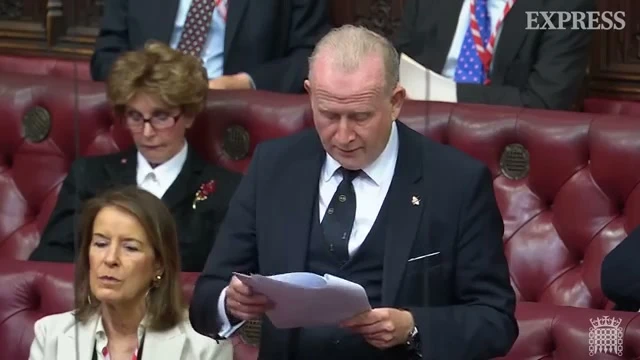
According to the Tory Lord, nearly a million young people between the ages of 16 and 24 in the UK are NEET, representing one in eight young people. At the end of 2025, the figure was registered as 957,000. He noted that if these young people formed a city, it would be the third largest in the UK, larger than cities like Leeds, Glasgow, and Cardiff. The NEET rate has only fallen below 10% once in 25 years, and at the end of 2024, it reached its highest level in a decade at 13.2%.
The Tory Lord compared the UK’s NEET rate to other countries, stating that the UK now has a higher-than-average rate compared to similar EU and OECD nations. The EU average for 15 to 24-year-olds was 9%, while the Netherlands is currently around 4.1%. He claimed that the UK used to be around the EU average, but now only Romania has a higher NEET rate. He also noted that France had a similar rate when it entered the COVID pandemic in 2020, but it is now lower.
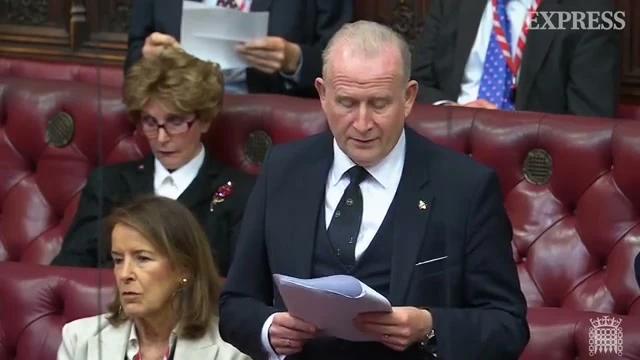
The speech highlighted a shift in the nature of NEET young people. In the early 2010s, most were employed, seeking employment, and ready to start; now only 43% are. The other 57% are described as academically economically inactive, driven largely by an increase in inactivity among men since the COVID pandemic. Six in 10 NEET young people today have never had a job, up from four in 10 in 2005. The Tory Lord stated that the duration a young person is NEET makes a significant difference, with 65% of those NEET for less than a year returning to employment, compared to only 25% of those NEET for more than a year.
The Tory Lord cited data showing that while there are 7 million more jobs in the UK than in 2000, the number of workers under 25 has fallen. Young people have gone from making up one in seven workers to one in nine. At the turn of the millennium, 63% of young people were in work; now it is barely 50%. In contrast, the employment rate for 25 to 64-year-olds rose from 74% to 80% over the same period. Unemployment among young people was 9% in 2022 and is now 16%, with more than 250,000 young people unemployed for over six months, the highest number since 2015.
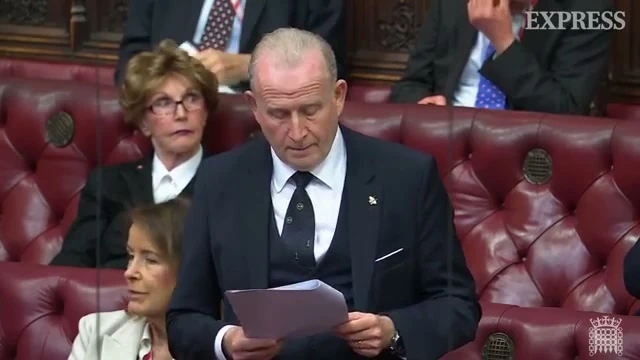
The Tory Lord referenced The Milburn review, also spelled The Millburn review, which estimated that the NEET rate could increase to over 16%, or more than 1.25 million young people, within 5 years. Over the last decade, the proportion of those who say they are NEET due to a work-limiting health condition has gone up by 70%. The proportion of NEET young adults inactive due to sickness or disability has risen from 11% in 2005 to 28%. The proportion of disabled NEET young adults citing mental health as their main health problem rose from 24% in 2011 to 42% in 2025.
The Tory Lord stated that The Milburn review found that only one in five NEET young people in England receive meaningful employment support from the welfare system. Around half of NEET young people in the UK do not claim benefits and are hidden from the system. Of those who do claim benefits, only a third get meaningful support. The review estimated that in 2024-25, £25 was spent on benefits for young people for every £1 spent on employment support. The cumulative annual cost to the UK of almost a million NEET young people was estimated at £125 billion.
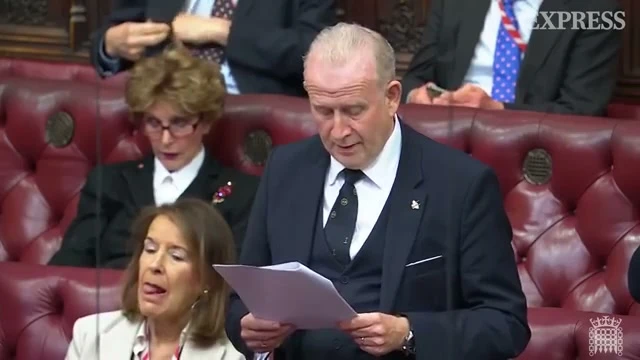
The Tory Lord contrasted the current situation with the approach during the coalition government, which he said achieved significant thresholds including workless households falling to a record low, youth unemployment cut in half, and £20 billion saved from the annual welfare bill. He referenced an OBR analysis which concluded that UK government policy reduced social security spending by £19.6 billion in 2015-16 relative to the 2010-11 baseline. He argued this showed how cross-party work can produce savings that are fair to both welfare recipients and taxpayers.


