Dutton Ranch Is Breaking Records… So Why Hasn’t Season 2 Been Confirmed?
Since its May 15, 2026 premiere on Paramount+, Dutton Ranch has achieved what few spin-offs in the crowded television landscape manage: it has not merely extended the Yellowstone universe but has carved out a distinct, emotionally resonant identity of its own. Viewers who followed Beth Dutton and Rip Wheeler through the turbulence of the original series have returned in force, drawn by the promise of seeing these beloved characters navigate an entirely new chapter. The numbers tell a compelling story. The first two episodes alone attracted a record 12.9 million global views, and subsequent episodes have sustained strong engagement as the nine-episode first season builds toward its July 3 finale.
Social media conversations have grown louder with each passing week. Fans dissect every confrontation, every quiet moment of vulnerability, and every test of loyalty. Yet amid this undeniable cultural momentum, Paramount remains silent on a second season. No official renewal. No timeline. No confirmation. The absence of an announcement has created a peculiar tension: a series thriving in real time while its future hangs in uncertainty. What, precisely, is the network waiting for?
The answer lies not only in quarterly metrics or contract negotiations but in the deeper artistic achievement of the show itself. Dutton Ranch succeeds because it refuses to rest on the laurels of its parent series. Instead, it plunges into the interior lives of its central figures with a psychological precision that elevates the drama beyond familiar ranch-land power struggles. The move from Montana to a 7,000-acre spread in South Texas is more than a change of scenery; it functions as a crucible for characters still carrying the scars of their past.
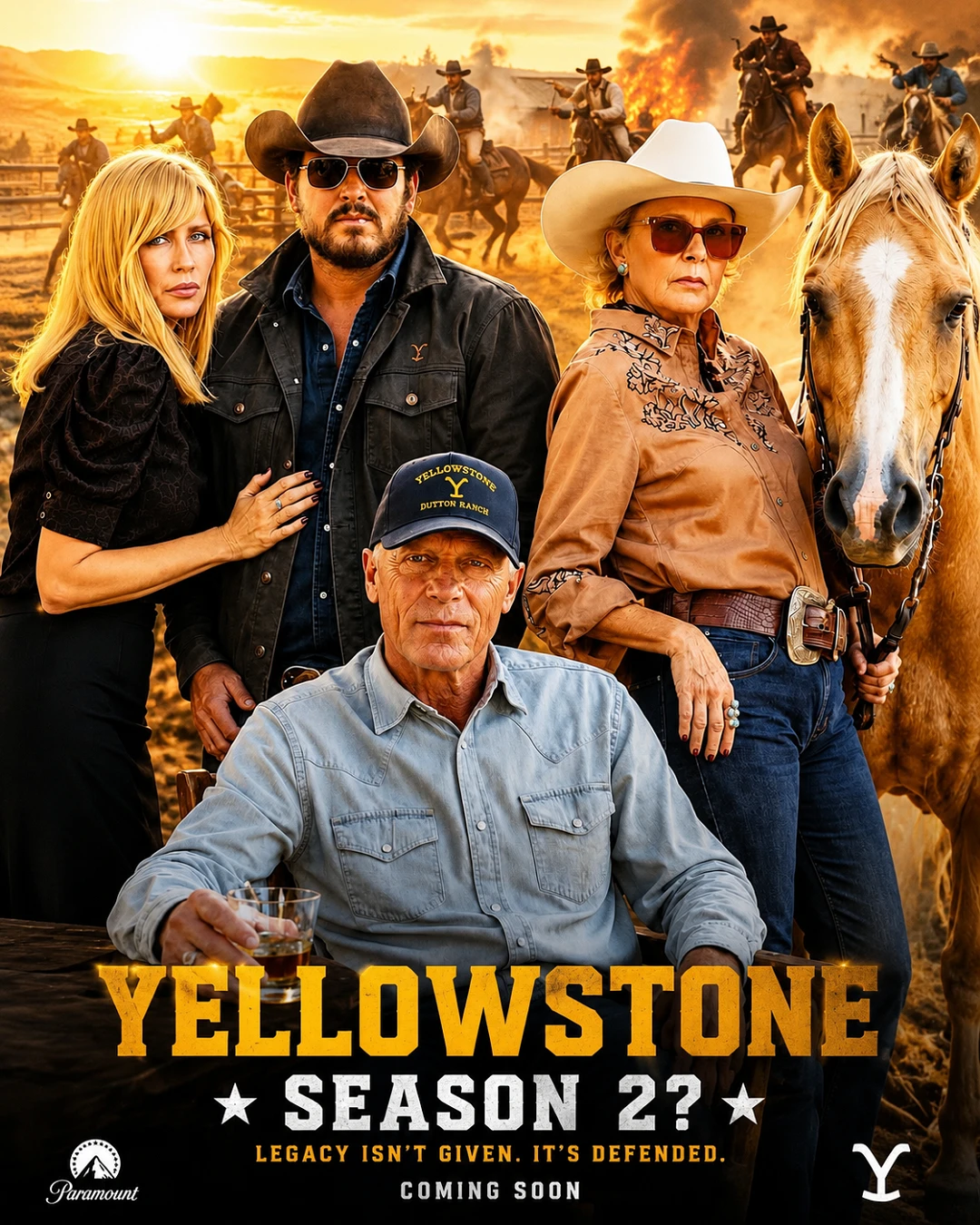
The vast, sun-drenched landscapes of Rio Paloma, Texas, serve as both opportunity and mirror. Gone are the familiar mountains and the weight of the Dutton legacy in its original form. In their place stand new rivals, new codes of conduct, and the constant reminder that reinvention demands confronting what one has tried to outrun. This thematic shift allows the series to explore questions of identity, redemption, and chosen family with fresh urgency.
Beth Dutton: Armor and Its Cracks
At the heart of the series remains Beth Dutton, portrayed with ferocious intelligence and aching fragility by Kelly Reilly. In Yellowstone, Beth’s sharp tongue and strategic cruelty often served as defensive architecture, erected against a lifetime of betrayals, losses, and the specific wounds inflicted by her father’s world. Dutton Ranch does not soften her; it deepens her. The Texas setting strips away some of the familiar power structures she once manipulated so deftly, forcing her to reckon with vulnerability in new ways.
Beth’s inner conflict centers on control. She has always understood power as something seized and defended. Now, building a future with Rip and Carter on unfamiliar soil, she must navigate threats that cannot be solved solely through the old Yellowstone playbook. Episodes reveal moments where her legendary temper flares not from calculated intimidation but from genuine fear—fear that the peace they fought so hard to claim might prove illusory. Her protectiveness toward Carter carries the weight of her own lost motherhood; every harsh lesson she imparts is also an attempt to inoculate him against the disappointments she has known. Yet beneath the armor, Dutton Ranch grants glimpses of the woman who once sought solace in Rip’s steady presence. These quieter registers of performance reveal a character still learning that strength and softness are not mutually exclusive.

Rip Wheeler: The Man Beneath the Hat
If Beth represents the storm, Rip Wheeler embodies the calm eye at its center. Cole Hauser’s portrayal has always conveyed a man of few words but profound internal conviction. In this new chapter, Rip’s journey is one of quiet evolution. No longer defined primarily as the Dutton enforcer, he must discover what it means to be a husband, a father figure, and a rancher on his own terms.

Carter: The Next Generation’s Inheritance
Finn Little’s Carter provides the emotional through-line that makes Dutton Ranch feel like more than a star vehicle. A young man shaped by loss and instability, Carter arrives in Texas carrying the same questions that once defined Beth and Rip: Where do I belong? What does it mean to be worthy of love? His arc is one of gradual, often painful self-definition under the unconventional guidance of his guardians.
The Bond That Holds
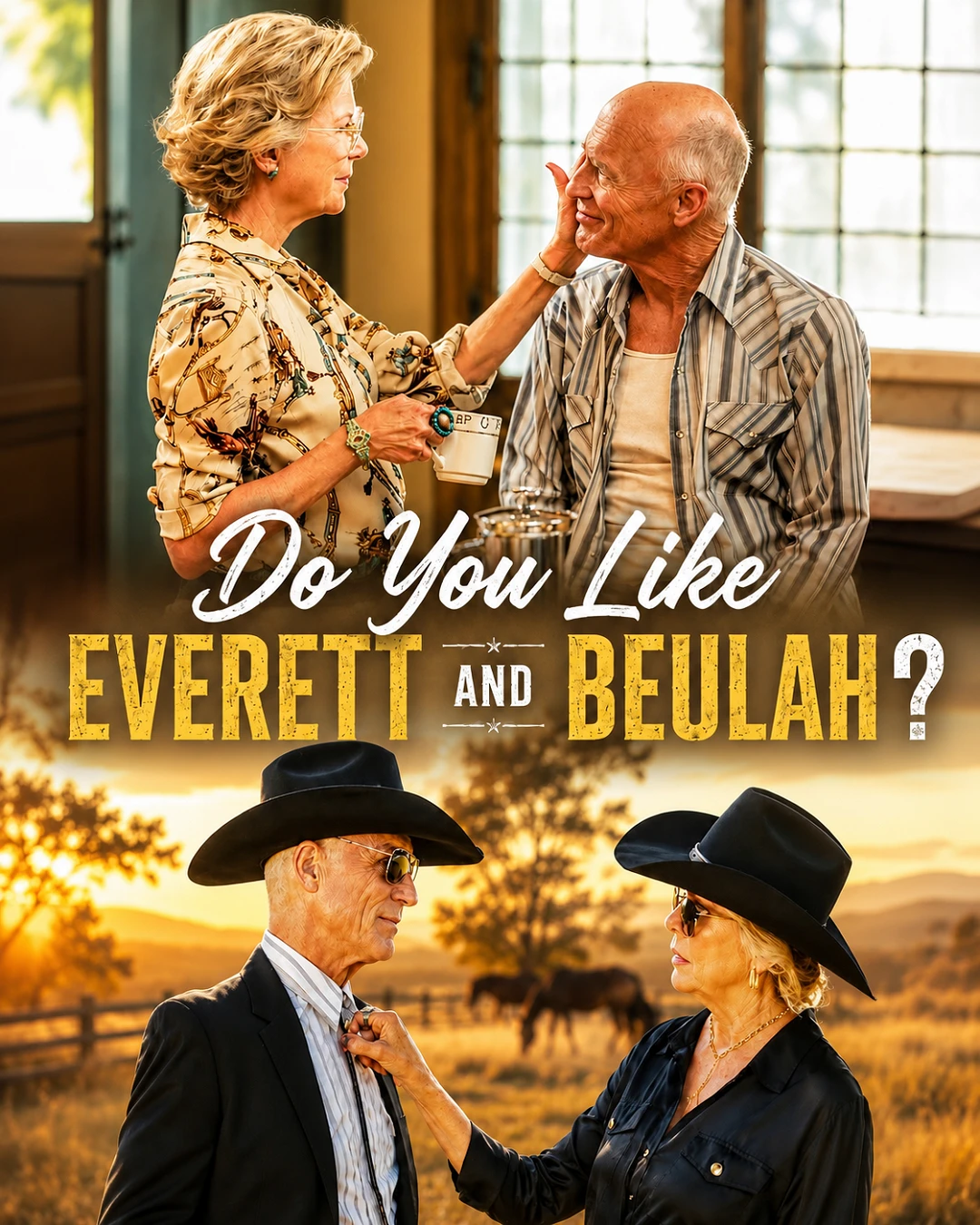
Central to the series’ emotional power is the evolving marriage between Beth and Rip. Their relationship has always been the franchise’s most compelling love story, forged in mutual recognition of each other’s broken places. In Texas, that bond is tested by new pressures: the isolation of a fresh start, the intrusion of old ghosts, and the responsibilities of parenthood. Scenes of quiet intimacy—stolen moments at dusk, wordless understanding across a room—offer counterpoint to the external conflicts. These moments underscore a profound truth the show articulates without sentimentality: real partnership requires continual choice, especially when the world offers easier paths to isolation.

Creative Crossroads and the Question of Renewal
Behind the on-screen achievements lies a production story that complicates the renewal conversation. Chad Feehan served as showrunner for Season 1, shaping a narrative that honors Taylor Sheridan’s created characters while establishing its own tonal identity. Reports indicate that Feehan may not return should the series continue. Sheridan, listed among executive producers, reportedly did not pen episodes for the first season. This division of labor has fueled speculation: Will Sheridan assume greater creative oversight? Will the tone shift? Or is Paramount deliberately pausing to assess how the full season performs once the finale airs and initial curiosity gives way to sustained engagement?
The Business Behind the Silence
Paramount’s hesitation, while frustrating to fans, reflects standard industry caution in a fragmented media environment. Strong premiere numbers do not automatically guarantee long-term retention. Networks and streamers increasingly scrutinize performance across the entire season, demographic engagement, and international metrics before committing to further investment. The departure of a key creative voice adds another variable. Contract negotiations with principal cast members, already established stars, require careful calibration. Broader corporate strategy—how Dutton Ranch fits within the remaining Yellowstone franchise slate—also plays a role.
A Case for Continuation
As the final episodes of Season 1 approach, the evidence for renewal rests less on spreadsheets than on the series’ demonstrated capacity to illuminate the inner lives of its characters. Beth’s ongoing negotiation between ferocity and tenderness, Rip’s transformation from enforcer to anchor, and Carter’s search for belonging have created an emotional investment that transcends franchise familiarity. The Texas setting has opened narrative avenues that feel both fresh and earned.
The ranch may have changed locations, but the fundamental stakes remain the same: the struggle to build something lasting amid forces determined to tear it down. For Beth, Rip, and Carter, that struggle has never been more intimately, more compellingly rendered. Fans are not merely waiting for confirmation. They are waiting to see what these characters will become next.