
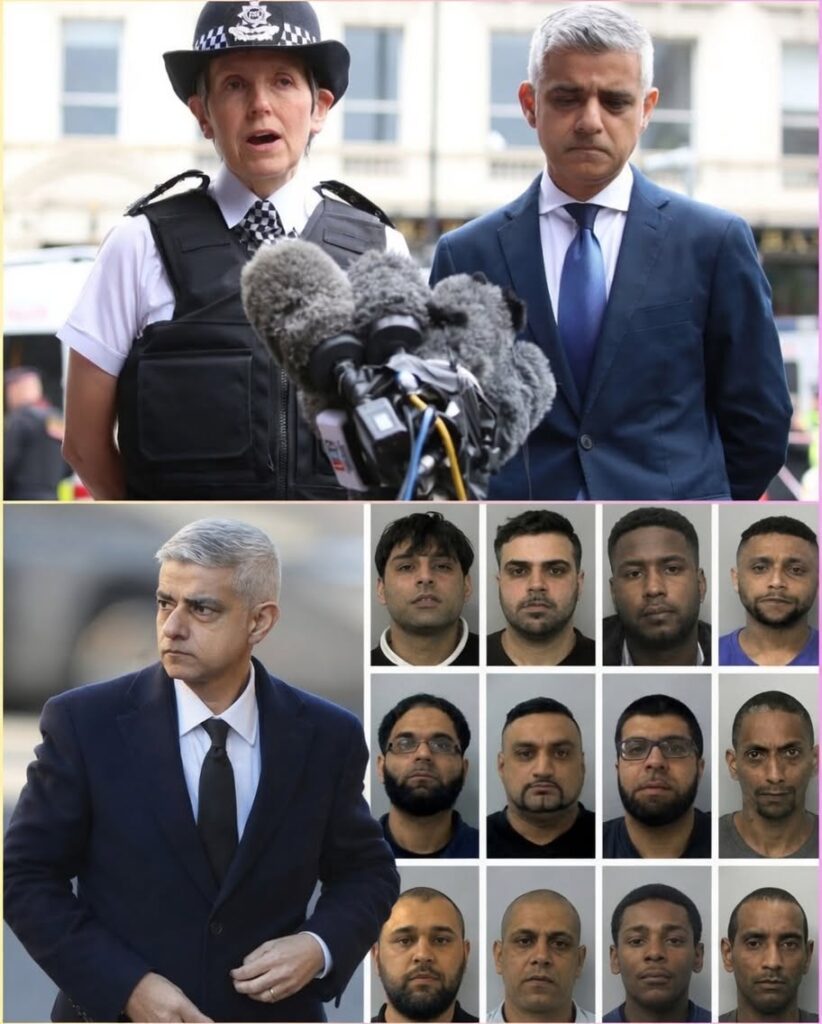
A New Poll Sparks Fresh Political Discussion
A newly circulated public poll has reignited debate over the political future of London Mayor Sadiq Khan, asking whether he should remain in office amid renewed public discussion surrounding the handling of grooming gang cases and broader questions of leadership. The poll has quickly attracted attention online, prompting thousands of comments from people expressing sharply different views. While supporters argue that the Mayor should continue serving his elected term, critics believe recent public debate has intensified calls for greater political accountability. The discussion reflects wider concerns about how public officials respond when serious criminal issues become the focus of national attention.
The Question at the Center of the Debate
The poll asks a straightforward but politically significant question: should Sadiq Khan resign? As with many opinion polls involving public figures, the responses reveal a broad range of perspectives rather than a single consensus. Some participants argue that elected leaders should remain in office unless there is clear evidence of personal wrongdoing or legal responsibility. Others believe political leaders should accept responsibility when the public loses confidence in how major issues have been addressed, even if they were not directly involved in individual criminal cases.
Renewed Attention on Grooming Gang Cases
The latest debate comes amid continuing national discussions about historical grooming gang cases across the United Kingdom. Over recent years, multiple inquiries, criminal prosecutions, and official reviews have examined failures by various institutions including local authorities, police forces, and other public bodies in responding to child sexual exploitation in different parts of the country. These cases have generated widespread public concern and prompted repeated calls for stronger safeguarding measures, greater transparency, and continued investigations where appropriate.
Understanding the Scope of Responsibility
Political observers note that responsibility for responding to complex criminal issues often involves multiple organizations rather than a single elected official. Police forces, prosecutors, local councils, safeguarding agencies, and central government departments may each have different responsibilities depending on the circumstances of individual cases. As a result, debates over accountability frequently become more complicated than simply identifying one person or institution. Many commentators argue that any assessment of political leadership should take these institutional structures into account.
Supporters Defend the Mayor’s Leadership
Supporters of Sadiq Khan argue that he has continued to focus on policing, public safety, transport, housing, and other issues affecting London throughout his time in office. They contend that major criminal investigations are carried out independently by police and prosecuting authorities rather than directed by politicians. From this perspective, they argue that calls for resignation should be based on clear evidence of personal responsibility rather than public dissatisfaction alone. They also emphasize that voters ultimately decide whether political leaders should remain in office through democratic elections.
Critics Call for Greater Accountability
Critics, meanwhile, argue that senior elected officials should demonstrate leadership whenever serious public concerns arise. Some believe that renewed attention surrounding grooming gang cases has highlighted broader questions about oversight, institutional effectiveness, and public confidence. They argue that political leaders have an important role in ensuring agencies possess the resources, policies, and transparency needed to address serious criminal activity effectively. For these critics, accountability extends beyond direct operational responsibility.
Public Confidence Remains an Important Issue
Regardless of political affiliation, many observers agree that maintaining public confidence is essential for effective government. When highly sensitive criminal cases receive renewed attention, citizens often expect clear communication from elected representatives and public institutions. Political analysts note that trust is built not only through policy decisions but also through openness, responsiveness, and willingness to address difficult questions when they arise.
Opinion Polls Reflect Public Sentiment
Opinion polls have become a common way of measuring public attitudes toward political leaders, although experts caution that individual polls provide only a snapshot of opinion at a particular moment. Results can vary depending on methodology, sample size, question wording, and the timing of the survey. For that reason, analysts generally examine multiple polls over time rather than relying on any single result to assess long-term political trends.
The Role of Investigations
As discussions continue, attention also remains focused on investigations and official reviews relating to grooming gang cases. Independent investigations are designed to establish facts, identify institutional failures where they occurred, and recommend improvements for the future. Many legal experts emphasize that conclusions about responsibility should be based on verified evidence rather than assumptions or speculation circulating online.
Social Media Amplifies the Conversation
The debate has spread rapidly across social media platforms, where users continue sharing opinions, news articles, and commentary. Supporters and critics alike have used online platforms to argue their positions, reflecting the increasingly important role social media plays in shaping political discussion. However, commentators also remind audiences that online debates often move faster than verified reporting and that complex issues deserve careful examination rather than conclusions based solely on viral posts.
Balancing Accountability and Fairness
The discussion highlights a broader democratic question: how should political accountability be measured? Some believe leaders should accept responsibility whenever significant public concerns emerge under their administration. Others argue that accountability must remain closely tied to evidence, legal responsibilities, and the actual powers held by elected officials. Democracies regularly confront these questions, particularly when highly emotional issues dominate public attention.
Child Protection Remains the Central Priority
Many participants in the debate emphasize that, beyond politics, the most important issue remains protecting children from abuse and ensuring justice for victims. Experts across the political spectrum generally agree that safeguarding vulnerable people, supporting survivors, and improving institutional responses should remain the primary focus. Discussions about political leadership are often viewed as secondary to ensuring that effective systems exist to prevent similar crimes in the future.
Calls for Continued Transparency
Across differing viewpoints, there is broad agreement that transparency is essential whenever public institutions are examined. Open reporting, independent oversight, and clear communication can help strengthen confidence in the justice system and public administration. Many observers argue that continued scrutiny of institutional performance is appropriate, provided it remains grounded in verified information and established facts.
The Debate Reflects Wider Political Questions
The latest poll has become part of a wider conversation about leadership, responsibility, and public expectations in modern government. Similar debates have occurred across different political parties and administrations whenever major public controversies arise. Whether discussing policing, public services, or safeguarding, citizens increasingly expect leaders to demonstrate accountability while respecting the independence of legal and investigative processes.
A Conversation That Is Likely to Continue
For now, the public poll has added another chapter to the ongoing discussion surrounding political leadership in London. Supporters argue that Mayor Sadiq Khan should continue serving unless voters decide otherwise at the ballot box or evidence establishes grounds for different action. Critics believe renewed scrutiny justifies continued questions about accountability and leadership. As investigations, public debate, and political discussion continue, the conversation remains focused not only on one elected official but also on the broader challenges of maintaining public trust, ensuring institutional accountability, and strengthening protections for vulnerable members of society.


