The ring of a mobile phone is a mundane sound, but in the highly combustible arena of modern political media, it can serve as a declaration of war.
In a raw, tense, 14-minute audio recording uploaded directly to his digital channels, right-wing activist Stephen Yaxley-Lennon—known universally as Tommy Robinson—broadcast his live, unedited phone confrontation with Luke O’Flaherty, a reporter from London’s Metro newspaper.
The catalyst for the call was a standard journalistic practice: a pre-publication email. O’Flaherty had contacted Robinson’s legal team, giving them a right-of-reply regarding an upcoming article. The Metro was preparing to report on mounting pressure from anti-racism organizations, advocacy groups, and Labour MPs demanding that Spotify immediately pull down Robinson’s newly launched podcast.
But instead of sending a polished, written statement through a lawyer, Robinson did what modern populist operators do best. He bypassed the traditional gatekeepers, turned on a camera, dialed the reporter directly, and transformed a standard media inquiry into a highly theatrical public execution of mainstream journalistic credibility.
The recorded exchange represents a stark, unedited microcosm of the escalating hostility between populist commentators and traditional media organizations over free expression, corporate deplatforming, and information control.
The Terms of Engagement
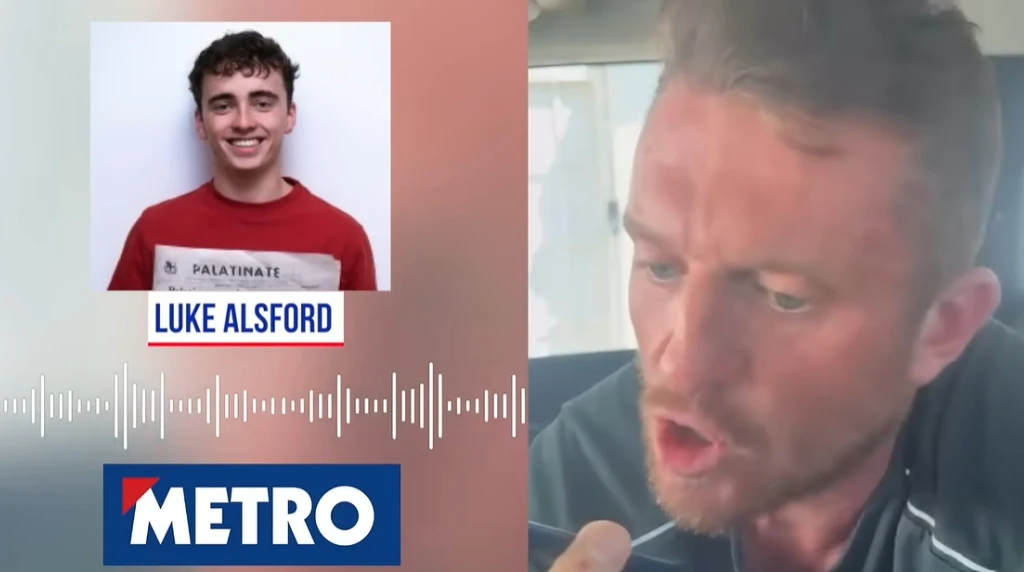
The confrontation centered on specific statements made on Robinson’s Spotify podcast. O’Flaherty questioned Robinson on his discussions regarding Muslim birth rates in the UK, “remigration” policies, and Somali immigration patterns.
The reporter pointed out that prominent advocacy groups—including anti-extremism monitor Tell MAMA and Stand Up to Racism—alongside Labour MP Sarah Owen, had publicly warned Spotify that hosting Robinson’s rhetoric in the UK’s current hyper-sensitive social climate could “fuel people to discrimination or attacks.”
The Counter-Attack
Robinson aggressively rejected the premise of the inquiry, denying that any of his podcast content was illegal or incited violence. He immediately turned the spotlight back onto the journalist:
-
The Consumption Gap: Robinson repeatedly challenged O’Flaherty on whether he had actually listened to the podcast episodes in full before drafting the article. The reporter admitted he had only listened to “some of it” but promised to review it in full before publication.
-
The Sourcing Cycle: Robinson demanded to know whether the Metro had proactively contacted groups like Tell MAMA to solicit negative quotes, or if those groups had approached the newspaper first. He accused the publication of artificially manufacturing a public controversy to pressure Spotify into a corporate deplatforming decision.
-
The Credibility Challenge: Robinson attacked the legitimacy of Tell MAMA, citing a 2014 libel dispute involving the group’s former director to argue that their hate-crime statistics are systematically exaggerated and unreliable.
-
The Demographics Defense: Invoking free speech, Robinson maintained his demographic commentary was entirely factual. When confronted with accusations of dehumanizing language, Robinson controversially cited Islamic texts, asserting that the Quran itself describes non-believers as “cattle” to argue his language was contextual.
O’Flaherty remained remarkably calm throughout the heated 14 minutes, insisting that his role was to “fairly reflect” Robinson’s perspective and provide a right of reply. He rejected the claim that his newspaper was actively campaigning for a ban, stating, “We’re not making any calls for you to be deplatformed, we’re representing the views of some groups.”
Having spent thirty years tracking the evolution of the media landscape—from the era of ink-stained print monopolies to the wild west of decentralized streaming algorithms—I look at the clash between Tommy Robinson and the Metro and see a structural shift in how political information is policed, distributed, and weaponized.
The “Manufacturing” of the Deplatforming Loop
To understand why Robinson’s confrontation resonated so powerfully with his followers, we must examine the specific systemic loop he exposed. It is a formula that has governed the relationship between the mainstream press and fringe figures for a decade:
                  ┌──────────────────────────────────────────┐
                  │       THE DEPLATFORMING MEDIA LOOP       │
                  └────────────────────┬─────────────────────┘
                                       │
         ┌─────────────────────────────┴─────────────────────────────┐
         ▼                                                           ▼
┌───────────────────────┐                                   ┌───────────────────────┐
│ 1. THE MEDIA PROBE    │ ◄──────────────────────────────── │ 4. THE CORPORATE BOW  │
│ Journalist contacts   │                                   │ Tech giant pulls individual│
│ activist's legal team │                                   │ citing "violating terms"  │
└────────┬──────────────┘                                   └──────────────▲────────┘
         │                                                                 │
         ▼                                                                 │
┌───────────────────────┐                                   ┌───────────────────────┐
│ 2. THE QUOTE HARVEST  │                                   │ 3. THE BRAND THREAT   │
│ Reporter solicits     ├──────────────────────────────────►│ Article runs, creating │
│ negative advocacy tags│                                   │ massive PR liability  │
└───────────────────────┘                                   └───────────────────────┘
Robinson’s anger over who initiated the contact—demanding to know if O’Flaherty proacted Tell MAMA—strikes at the heart of this process. To his supporters, this isn’t passive reporting on a controversy; it is active coordination.
The mainstream journalist is viewed not as a neutral observer, but as a political lobbyist utilizing the threat of a damaging public relations campaign to force massive Silicon Valley tech companies (like Spotify) to enforce ideological boundaries on speech.
The Reporter’s Fatal Admission
In this specific theater of war, Luke O’Flaherty’s admission that he had only listened to “some of” the podcast before initiating the story was a catastrophic tactical error.
For a traditional, experienced investigative journalist, the first rule of engagement is absolute thoroughness. You do not initiate an inquiry about potential hate speech or incitement without having meticulously cataloged, transcribed, and analyzed every single second of the source material.
By sending a right-of-reply based on partial listening, the reporter handed Robinson the ultimate narrative victory on a silver platter. Robinson was able to paint the entire Metro operation as a lazy, pre-scripted hit job where the conclusion (deplatforming) had already been decided before the evidence had even been reviewed.
The Dangerous Illusions of the Decentralized Creator
Yet, while Robinson successfully exposed the lazy corners of modern metropolitan journalism, his own defense relies on a highly calculated, dangerous omission.
Robinson positions himself as a pure, factual alternative journalist standing up for free speech. But his language regarding demographics, “remigration,” and minority groups is intentionally designed to sit right on the absolute legal boundary of incitement.
┌─────────────────────────────────────────────────────────────────────────┐
│                    THE DECENTRALIZED CREATOR PARADOX                    │
├──────────────────┬──────────────────────────────────────────────────────┤
│ The Populist     │ Brands themselves as "alternative media" to escape    │
│ Strategy         │ traditional editorial standards of fairness.          │
├──────────────────┼──────────────────────────────────────────────────────┤
│ The Strategic    │ They record their own hostile interviews, weaponizing│
│ Benefit          │ the process to generate subscription revenue.        │
├──────────────────┼──────────────────────────────────────────────────────┤
│ The Human Risk   │ The resulting polarization makes rational public      │
│                  │ discourse on sensitive issues entirely impossible.   │
└──────────────────┴──────────────────────────────────────────────────────┘
Furthermore, there is a profound commercial reality to Robinson’s “alternative media” operation. These confrontational videos are not public services; they are highly lucrative subscription-driving content. By recording these hostile phone calls, Robinson feeds his own echo chamber, reinforcing the siege-mentality of his followers, which directly translates into digital donations and premium memberships on alternative platforms like Rumble.
If mainstream journalism is to survive this crisis of trust, it must hold itself to an incredibly high, bulletproof standard of professional discipline. It cannot rely on partial research, lazy quote-harvesting, or moral posturing. It must do the hard, meticulous, and balanced work of deep investigation.
The alternative is a complete fracture of our shared information ecosystem. If we continue on this trajectory, we will lose the very possibility of a shared civic reality, replaced instead by a tribal, monetized war of outrage where the loud always drowns out the true.
A Thought-Provoking Question for the Reader:
In a completely decentralized media landscape, is it possible to protect public safety from genuine extremist incitement without inadvertently handing corporate tech platforms the ultimate power to censor legitimate political dissent?