Incoming Prime Minister Andy Burnham is reportedly preparing to authorize new North Sea oil and gas drilling licenses, marking a significant departure from the Labour Party’s 2024 election manifesto. As Burnham prepares to officially take office on Monday, the expected policy reversal is already signaling early internal friction within his newly formed government, particularly regarding the role of Energy Secretary Ed Miliband.
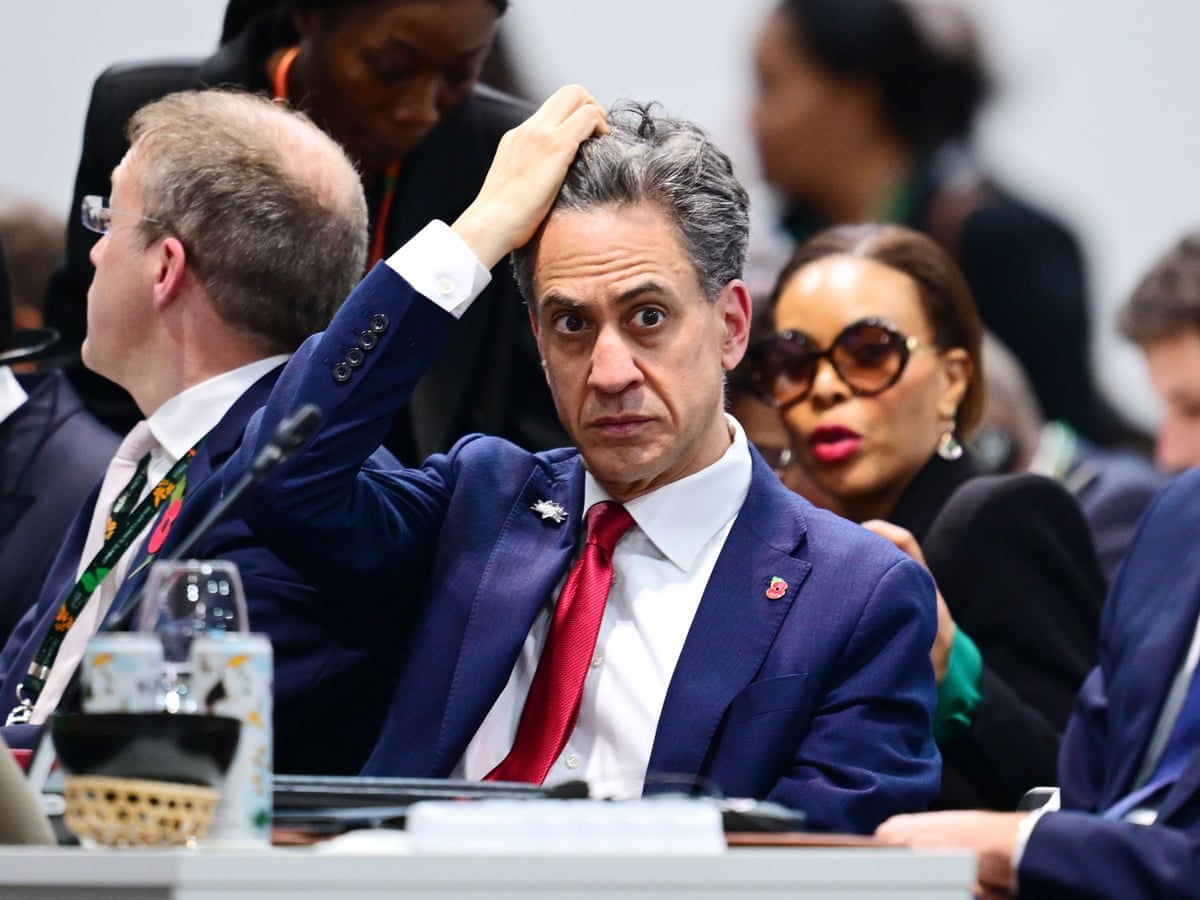
During the 2024 campaign, the party formally pledged to halt the issuance of new oil and gas drilling licenses, committing instead to honoring only existing ones as part of a broader transition toward renewable energy. Burnham’s anticipated announcement to expand drilling directly contradicts this cornerstone promise. The decision reportedly follows a joint open letter from major trade unions and the oil and gas sector. The coalition urged the incoming Prime Minister to support the North Sea industry to protect manufacturing jobs, reduce the cost of energy bills, and ensure domestic energy security.
The pivot on energy policy is not the only source of early tension as Burnham shapes his administration. Political sources indicate that Burnham is favoring Shabana Mahmood for the crucial role of Chancellor of the Exchequer, effectively sidelining Miliband, who had been widely viewed by the left wing of the party as a leading candidate for the position. The prospective appointment of Mahmood has reportedly sparked pushback from Labour backbenchers who view her as leaning too far to the right of the party’s traditional base.
In addition to the changes at the Treasury, Burnham is expected to orchestrate a cabinet comeback for Angela Rayner, who is slated to be appointed as the new Health Secretary.
While the pivot on North Sea drilling has drawn the immediate focus of environmental groups and energy markets, Burnham is simultaneously preparing to advance several traditional party initiatives. The incoming Prime Minister is expected to confirm plans to bring water and energy companies under public control and to launch a comprehensive new council house building program aimed at addressing the nation’s ongoing housing shortage.
As Burnham prepares to enter 10 Downing Street, his immediate challenge will be navigating the divisions within his own parliamentary party. By prioritizing energy security and industrial job preservation over the strict climate targets championed by his own Energy Secretary, Burnham risks early revolts from backbenchers fiercely committed to the party’s original green agenda.