
The Battle for Democratic Legitimacy: Farage, Burnham, and the Gathering Storm in British Politics
In the constitutional architecture of the United Kingdom, power transitions are notoriously swift, but rarely do they occur under such fraught political circumstances. Following months of internal parliamentary revolts, cratering public approval ratings, and catastrophic local election losses across England, Scotland, and Wales, Sir Keir Starmer abruptly resigned as Prime Minister in mid-2026.
His departure ushered in Andy Burnham, the former Mayor of Greater Manchester, who had engineered a dramatic return to Parliament through a high-stakes by-election in Makerfield. Moving unopposed through an expedited Labour Party leadership transition, Burnham walked through the black door of 10 Downing Street not by winning a national mandate from the British electorate, but by securing the internal support of parliamentary colleagues.
Upon taking office, Prime Minister Burnham signaled an ambitious reset, promising to deliver “the biggest change in British politics in 40 years” through a platform rooted in state intervention and economic restructuring. However, in a parliamentary democracy where executive power derives from the consent of the governed, replacing a Prime Minister mid-term without a general election creates a distinct vulnerability—one that insurgent political forces were eager to exploit.
┌────────────────────────────────────────────────────────────────────────────────────────┐
│                        THE 2026 WESTMINSTER POWER SHIFT TIMELINE                       │
├────────────────────────────────────────────────────────────────────────────────────────┤
│ • May 2026:   Labour suffers heavy local election losses across England and Wales.     │
│ • June 2026:  Andy Burnham wins Makerfield by-election, securing return to Parliament. │
│ • Early July: Keir Starmer resigns; Burnham assumes Premiership unopposed.             │
│ • Mid July:   Reform UK wins historic Norfolk PCC election with candidate Colin Sutton.│
│ • Late July:  Nigel Farage rallies in East Anglia, demanding immediate general election.│
└────────────────────────────────────────────────────────────────────────────────────────┘
The Main Event: Farage’s Rally in East Anglia
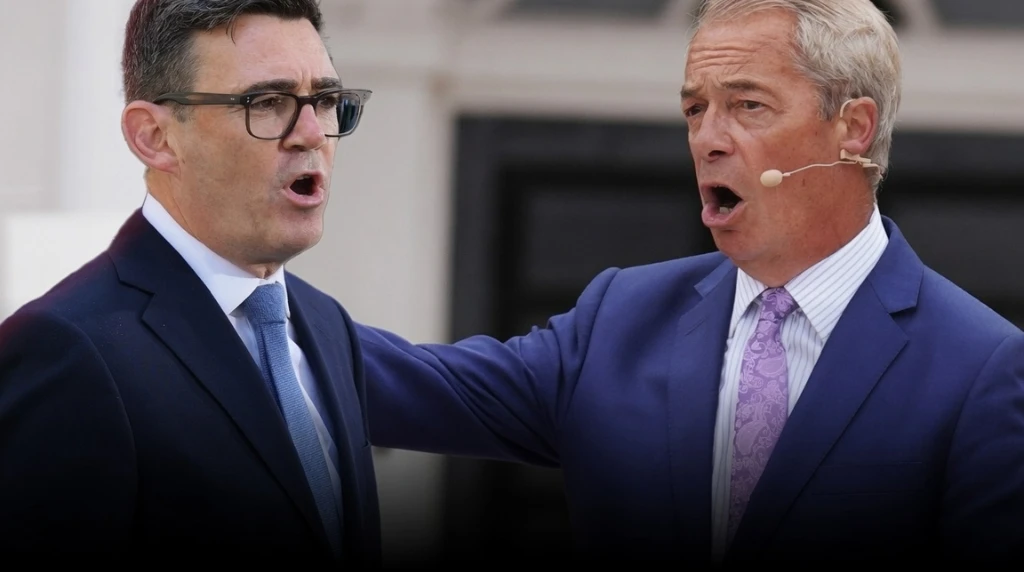
Addressing a vocal crowd of supporters, Farage placed the question of democratic mandate at the absolute center of his address. He characterized the transition in Downing Street as an “endless game of musical chairs” played by a political class that fears facing the electorate.
“He says, amongst many other things, that he wants to bring about the biggest change in politics in 40 years,” Farage declared to the audience. “This man has no mandate whatsoever. He didn’t stand on the 2024 general election manifesto. You cannot make the biggest change in British politics in 40 years without a mandate from the British people.”
                     ┌─────────────────────────────────────────┐
                     │     FARAGE'S MANDATE CHALLENGE MATRIX   │
                     └────────────────────┬────────────────────┘
                                          │
                                          ▼
                PREMISE: Burnham assumed 10 Downing Street unopposed.
                He did not lead Labour during the 2024 General Election.
                                          │
                                          ▼
                ARGUMENT: Major structural changes ("biggest in 40 years")
                require direct voter consent via a fresh national ballot.
                                          │
                                          ▼
                DEMAND: Immediate dissolution of Parliament and a snap
                General Election to test public support for "Manchesterism."
Farage directed much of his speech toward Burnham’s initial policy proposals, specifically targeting the administration’s flagship announcement of a 5% reduction in domestic electricity bills. Farage dismissed the relief measure as an inadequate PR gesture, pointing out that it provided little assistance to the 86% of British households relying on gas or oil heating systems. He asserted that a complete abolition of statutory “green levies” on energy bills would yield immediate annual savings of approximately £200 per household, compared to the government’s estimated £45 reduction.
Targets in the Cabinet and Electoral Breakthroughs
-
Deputy Prime Minister Louise Haigh: Targeted over past legal disclosures and administrative controversies.
-
Business Secretary Jonathan Reynolds: Criticized regarding historical claims made about his legal qualifications.
-
Housing Secretary Angela Rayner: Highlighted over lingering questions surrounding tax filings on past property transactions.
┌────────────────────────────────────────────────────────────────────────────────────────┐
│                      REFORM UK EAST ANGLIA RALLY POLICY COUNTER                        │
├────────────────────────────────────────────────────────────────────────────────────────┤
│ BURNHAM PROPOSAL                   REFORM UK COUNTER-PROPOSAL                          │
│ • 5% electricity bill reduction    • Complete abolition of all "green levies"          │
│ • Projected ~£45 annual saving     • Projected ~£200 immediate annual saving           │
│ • Green transition subsidies       • ECHR withdrawal for accelerated deportations     │
│ • State-led regional investment    • Localized, high-visibility police enforcement      │
└────────────────────────────────────────────────────────────────────────────────────────┘
The East Anglia rally was structured as a celebration of Reform UK’s breakthrough in traditional rural and suburban strongholds. Farage showcased the victory of Colin Sutton—a former Metropolitan Police detective renowned for leading high-profile homicide investigations—who secured the Norfolk PCC seat.
Drawing on Sutton’s victory, Farage described a narrative of “Wild West lawlessness” across rural communities and rising crime in major urban centers. He argued that both the Conservative and Labour establishments had failed to maintain public order or manage the strains of sustained mass migration. Farage concluded by outlining Reform UK’s platform: canceling green energy subsidies, withdrawing from the European Court of Human Rights (ECHR) to streamline border deportations, and forcing a snap general election.
“We’re the party that says trust the people,” Farage proclaimed in his closing remarks. “We want, and we demand, a general election… and we will campaign hard for it.”
Key Figures, Roles, and Positions
| Figure | Role / Position | Core Allegation or Political Stance |
| Nigel Farage | Leader, Reform UK | Asserts Andy Burnham lacks a democratic mandate; demands an immediate general election. |
| Andy Burnham | Prime Minister | Assumed power unopposed; promises radical policy changes without calling a new national election. |
| Colin Sutton | Norfolk PCC (Reform UK) | Former Met homicide detective; won historic Norfolk victory with 26.6% of the vote. |
| Louise Haigh | Deputy Prime Minister | Targeted by Farage over past administrative and legal controversies. |
| Angela Rayner | Housing Secretary | Under renewed fire over historical property tax inquiries and severance payouts. |
| Jonathan Reynolds | Business Secretary | Criticized over past public claims regarding his professional legal background. |
My Professional Perspective
Having spent thirty years covering Westminster, European summits, and national elections, I have observed that political systems rarely collapse under sudden shocks; they erode when the gap between procedural legality and perceived legitimacy becomes too wide to ignore. What transpired in East Anglia was not merely a raucous opposition rally—it was the opening salvo in a fundamental constitutional battle over who holds the right to govern modern Britain.
1. The Legitimacy Deficit: Constitutional Norms vs. Democratic Consent
To understand the potency of Farage’s “no mandate” critique, one must examine the quiet tension built into Britain’s uncodified constitution.
Under the UK parliamentary model, voters do not directly elect a Chief Executive; they elect local Members of Parliament. Legally, the Crown invites whoever can command a majority in the House of Commons to form a government. When a governing party changes its leader mid-term, the legal authority of the Prime Minister remains unbroken.
┌────────────────────────────────────────────────────────────────────────────────────────┐
│                        THE TWO FACES OF UK PRIME MINISTERIAL POWER                     │
├────────────────────────────────────────────────────────────────────────────────────────┤
│ STRICT LEGAL REALITY                           MODERN DEMOCRATIC EXPECTATION           │
│ • Prime Minister inherits parliamentary majority│ • Voters elect a leader based on a specific  │
│ • No constitutional requirement for an election│   manifesto and public figurehead      │
│ • Power transferred via internal party process │ • Major policy shifts require direct voter   │
│ • Executive authority is technically continuous│   approval through a national ballot       │
└────────────────────────────────────────────────────────────────────────────────────────┘
However, modern democratic culture operates on a very different psychological contract. Today’s electorate views national elections as presidential-style choices between competing leaders and distinct policy visions.
By attempting to enact a transformative agenda without a personal electoral mandate, Burnham handed his opponents an effective political weapon: the argument that a prime minister installed by party insiders lacks the moral authority to reshape national institutions.
2. The East Anglia Breakthrough: Realignment in the Heartlands
For decades, political strategists viewed rural East Anglia as an unassailable stronghold for traditional conservatism. The victory of Colin Sutton in the Norfolk Police and Crime Commissioner election challenges that long-standing assumption.
┌────────────────────────────────────────────────────────────────────────────────────────┐
│                      THE ANATOMY OF THE NORFOLK REALIGNMENT                            │
├────────────────────────────────────────────────────────────────────────────────────────┤
│ HISTORICAL BENCHMARK                          JULY 2026 ELECTION RESULTS               │
│ • Dominant Conservative majorities (~50-60%)  • Reform UK (Colin Sutton): 26.6%     │
│ • High turnout among traditional rural voters • Labour / Liberal Democrat Split        │
│ • Law-and-order rhetoric anchored by Tories   • Conservative Vote Collapse: ~15%       │
└────────────────────────────────────────────────────────────────────────────────────────┘
This local result carries broader political implications:
-
The Collapse of the Conservative Shield: When a party’s support drops to 15% in a historically safe district, its political machinery is severely weakened. Voters who previously backed the Conservatives out of habit are now open to alternative options.
-
The “Credibility Bridge” of Local Candidates: By running Colin Sutton—a respected former police detective known for solving high-profile murder cases—Reform UK presented a candidate with established professional credentials. This helped the party appeal to traditional voters who might otherwise hesitate to support an insurgent political movement.
-
The Multi-Party Rural Reality: In regions where the left-of-center vote is divided between Labour and the Liberal Democrats, Reform UK can secure victories with 26% to 30% of the vote, fundamentally altering the electoral map.
3. The Energy Policy Battleground: Rhetoric vs. Realities
While a 5% reduction offers modest relief, it does not address the core driver of household energy costs across rural Britain: heating infrastructure.
┌────────────────────────────────────────────────────────────────────────────────────────┐
│                      THE DOMESTIC HEATING REALITY IN RURAL BRITAIN                     │
├────────────────────────────────────────────────────────────────────────────────────────┤
│ RURAL HOUSEHOLD HEATING PROFILE                POLICY IMPACT ANALYSIS                  │
│ • 86% of homes rely on gas or heating oil     • Burnham's 5% cut applies ONLY to grid │
│ • High exposure to global fuel volatility       electricity, leaving heating untouched.│
│ • Limited access to centralized gas grids     • Farage's levy abolition targets total  │
│ • Older, hard-to-insulate housing stock         utility costs (~£200/year claim).      │
└────────────────────────────────────────────────────────────────────────────────────────┘
By emphasizing that 86% of homes rely on gas or heating oil, Farage aligned his platform with the practical financial concerns of rural residents. His proposal to abolish “green levies” simplifies a complex issue into an appealing economic choice: immediate household savings versus long-term environmental investments.
4. Critical Unanswered Investigative Questions
As the political conflict intensifies, several key questions remain unanswered:
┌────────────────────────────────────────────────────────────────────────────────────────┐
│                       CRITICAL UNANSWERED INVESTIGATIVE QUESTIONS                      │
├────────────────────────────────────────────────────────────────────────────────────────┘
│ 1. CONSTITUTIONAL RESILIENCE                                                           │
│    How long can the Burnham administration resist calls for a snap election if public   │
│    polling indicates a widening legitimacy gap?                                       │
│                                                                                        │
│ 2. REFORM UK'S PARLIAMENTARY TRANSITION                                                │
│    Can Reform UK convert local municipal victories into actual parliamentary seats     │
│    under the UK's First-Past-The-Post voting system?                                   │
│                                                                                        │
│ 3. FISCAL REALITY OF GREEN LEVY ABOLITION                                              │
│    If "green levies" are eliminated to lower bills, how will the government fund its    │
│    legally binding renewable energy commitments?                                      │
│                                                                                        │
│ 4. OPPOSITION STRATEGY                                                                 │
│    Will the Conservative leadership cooperate with Reform UK to demand a general      │
│    election, or will they focus on rebuilding their own depleted party base?           │
└────────────────────────────────────────────────────────────────────────────────────────┘
Conclusion
The confrontation in East Anglia represents more than the routine back-and-forth of party politics; it highlights a growing tension at the center of Britain’s political system.
Prime Minister Andy Burnham holds legal power through his parliamentary majority, but without a direct mandate from a general election, his administration faces a persistent challenge to its legitimacy. Nigel Farage’s strategy focuses on capitalizing on that weakness, using electoral victories in traditional heartlands to build momentum for a new national vote.
As cost-of-living pressures, public service demands, and border management issues continue to test the government, the central question becomes increasingly difficult to defer. In a modern democracy, major policy transformations require more than parliamentary maneuvers—they require the clear consent of the public.
A Question for Reflection
Should a parliamentary system require a mandatory general election whenever a governing party changes its Prime Minister mid-term, or does executive continuity remain essential for effective national governance?


