Learn how to care for a young Christmas cactus once you buy or transplant it with these simple yet effective tips to grow the most impressive plant!

If you’ve just brought home a young Christmas cactus, the first few weeks matter more than most people realize. This short adjustment period decides whether your plant grows strong or struggles later. To help you start right, here’s everything you should do for your new plant from day one.
How To Care For A Young Christmas Cactus When You Buy It
1. Inspect for Pests Immediately

Young plants often carry tiny hitchhikers from the nursery, like fungus gnats or mealybugs. If you don’t check immediately, these pests can multiply fast and harm not just your cactus but your other houseplants, too.
So, take a close look at the soil and the underside of each leaf segment. If you notice anything suspicious, treat it early with neem oil spray or insecticidal soap. You can also dust a thin layer of cinnamon on the soil, as it has mild antifungal properties and helps discourage gnat larvae.
Here’s a tip: Place a thin pencil or two small chopsticks under one side of the nursery pot for the first week. Lifting the pot slightly improves airflow beneath the pot, keeping early-stage fungus gnat eggs from developing. But do this when there’s an infestation, not preventively.
2. Check if Repotting is Actually Needed

Many new plant owners make the mistake of repotting too soon. Young Christmas cacti usually don’t need a bigger pot right away. They grow better when slightly snug in their current container, which also protects them from transplant shock.
Only repot if the roots are densely circling the pot or poking from the drainage holes. Otherwise, keep the plant in its original home for now.
Want it to look nicer? Simply “cachepot” it. You can do so by placing the old pot into a decorative one. This keeps the cactus comfortable while instantly making your space look better.

Pro Tip: When you finally repot months or a year later, choose a pot only 1–2 inches wider. Jumping to a large pot too soon is one of the best ways to cause overwatering issues.
3. Water Smartly and Avoid Early Mistakes

A freshly brought plant has already been through transport, bright store lights, shifting temperatures, and handling. Besides all that, it’s a succulent and succulents need a break from watering when adjusting.
Since it’s stressed and acclimating in your home, immediate watering can shock the roots, so waiting 4–7 days before the first drink is usually the best move — unless the soil is already lightly moist or it’s looking very dry.
Overwatering is the number one reason young Christmas cacti die. Their roots need oxygen, and soggy soil suffocates them, slowly leading to rot.
Pro Tip: The trick is to water only when the top 1–2 inches of soil feel dry to the touch. You should also use room-temperature water so that the roots don’t get that shock.
4. Choose the Perfect Location

Finding the right place for your young Christmas cactus is one of the most important steps after bringing it home.
These plants love a mix of gentle, direct, and bright indirect light, but they are quite sensitive to strong sun exposure. If the rays hit directly, especially during midday, the leaves can get scorched. That’s why an east-facing window or any spot with soft morning sun works perfectly.
Along with light, your cactus also needs stable temperatures. Young plants don’t handle sudden changes well (things like cold drafts from windows, hot air from heaters, proximity to radiators, or frequent shifts in placement) as they can stress them easily. Keeping the plant in one calm, steady spot helps it adjust better and grow naturally
5. Give It Time to Settle In (Acclimate for 2 Weeks)

A new Christmas cactus needs a little time to relax and adjust after arriving in your home. We already discussed this in the points above. All this can make the plant feel stressed, which is why you may sometimes see a bit of leaf or flower drop in the beginning.
The best thing you can do during the first two weeks is to keep things calm and consistent. Avoid moving the pot around, don’t repot it yet, and skip pruning or feeding if you have it in mind. Any sudden change can confuse the plant when it’s still settling in.
Pro Tip: Let the plant stay in a calm, bright spot with stable conditions, and hold off on watering for a few days if the soil is still moist. This “settling-in” period acts like a reset button for the cactus, helping it recalibrate to its new environment at a gentle pace. Once it adapts, you’ll notice the segments firming up and new growth starting to appear.
Have you tried a 48-hour shade start? For the first two days after bringing the plant home, keep it in a softer light than usual, even dimmer than its long-term spot. It lets the segments rehydrate internally after transport stress and reduces the chance of tip shriveling. After 48 hours, move it to its ideal bright light spot.
6. Water the Right Way

Watering a young Christmas cactus correctly is more impactful than most beginners realize. These plants appreciate moisture but dislike extremes — neither thoroughly drying out for long periods nor sitting in consistently soggy soil.
The safest approach is to let the top layer dry slightly before watering again, giving roots the oxygen they need. When you water, pour slowly and evenly until moisture reaches all parts of the soil, allowing excess water to drain freely through the bottom.
And avoid leaving the bottom of the pot in standing water, as this deprives the roots of air and increases the risk of rot.
Here’s a tip: Room-temperature water is ideal. But if your tap water contains high mineral content, using filtered or distilled water can help prevent salt buildup over time.
Some growers even bottom-water occasionally by placing the pot in a shallow tray of water for ten minutes, giving the plant consistent hydration while preventing surface compaction.
7. Start with Light Feeding

You may think a young plant doesn’t need fertilizer yet, but a gentle nutrient boost helps it establish faster. The feeding will encourage lush growth and set it up for its first round of blooms later on.
To get this right, use a balanced, water-soluble fertilizer diluted to one-quarter strength. Feed once every 4–8 weeks during the growing season, but never in winter. Also, remember, since young roots are sensitive, avoid overfertilizing because it can burn them.
Pro Tip: Switch to a bloom-boosting fertilizer high in phosphorus by late summer. This will signal the plant that it’s time to start forming buds for the holiday season.
8. A Few Tips to Boost Humidity
Give it a “Dry Air Buffer” after transport, especially if you have bought it online. Most people increase humidity immediately, but a young cactus that has been tightly wrapped or boxed during transport benefits from slightly drier air for the first one or two weeks.
Doing so prevents moisture from settling into micro-cracks on stressed segments, which can lead to fungal spotting. Keeping humidity high and watering immediately can also lead to root rot.
Shift it to normal humidity afterwards. Christmas cacti naturally come from humid, forested environments where moisture hangs in the air, and the soil stays gently damp but never waterlogged.
Indoors, maintaining moderate humidity (around 40 to 60%) keeps the segments firm and healthy. This becomes especially important during winter, when indoor air tends to dry out due to heating systems. If your home feels dry, you can easily raise humidity without buying a humidifier.
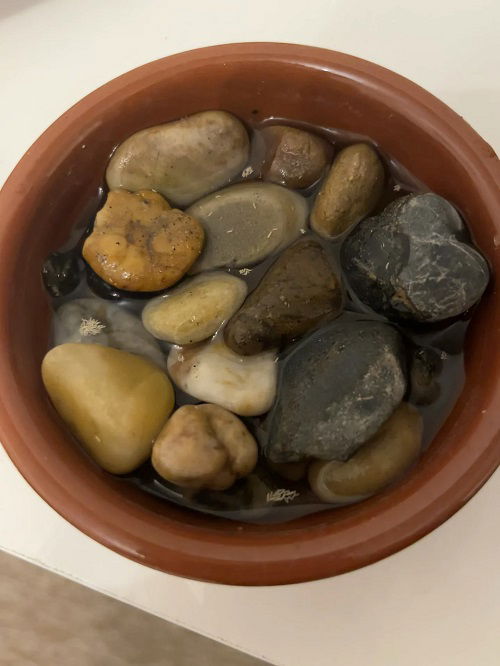
Placing a shallow tray filled with pebbles and water beneath or near the pot creates a small moisture zone as the water evaporates.
Common Mistakes You Can Avoid
- Overwatering: This is the most common problem and can cause root rot. Water only when the topsoil seems dry.
- Placing in Full Sun: Direct sunlight can burn the soft, young segments. Always choose bright, indirect light.
- Cold Stress: Drafts from windows, doors, or AC vents can shock the plant. Keep it in a warm, steady spot.
- Feeding Too Early: Fertilizing right away can overwhelm tender roots. Wait until the plant has settled in before feeding.