Many gardeners are surprised to learn that African violet flower color isn’t always fixed. While you can’t turn a purple violet bright blue overnight, the shade, depth, and intensity of the blooms can shift — much like hydrangeas — based on care, especially soil pH and nutrients.
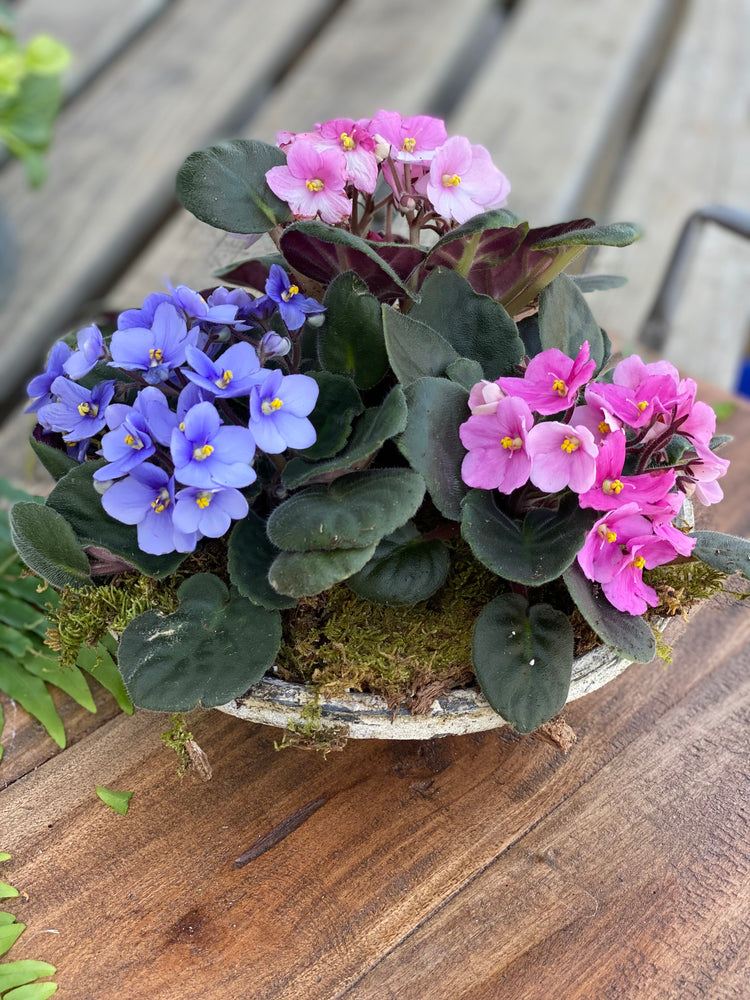
This guide explains what actually influences color, the one simple kitchen tweak, and how to use it safely without damaging your plant.
🌸 Why African Violet Flower Colors Can Change
African violets produce pigments (mainly anthocyanins) that react to their growing environment. Small changes can affect how those pigments express themselves in blooms.
The biggest factors are:
-
Soil pH
-
Mineral balance
-
Water quality
-
Light strength
-
Plant stress levels
When these shift, blooms may appear:
-
Deeper purple or blue
-
Softer lavender or pink
-
Richer red-violet tones
-
Slightly faded or washed out (when conditions are wrong)
🥄 The One Simple Kitchen Tweak: Vinegar Water
Just like hydrangeas respond to acidic soil, African violets prefer slightly acidic conditions. Over time, tap water and fertilizers can push soil toward neutral or alkaline — dulling flower color.
Why vinegar works
-
Lowers soil pH gently
-
Improves nutrient absorption
-
Enhances pigment expression in blooms
What you’ll need
-
White vinegar
-
Water
How to use it safely
-
Mix 1 teaspoon white vinegar per 1 gallon (4 liters) of water
-
Use once every 4–6 weeks
-
Water the soil only (never splash leaves)
⚠️ Never use more than this amount — too much acidity can damage roots.
🌱 Supporting Tweaks That Boost Color Results
The vinegar trick works best when paired with good overall care.
1️⃣ Use the right soil
-
Light, airy African violet mix
-
Avoid heavy garden soil
-
Repot every 6–12 months to reset pH
2️⃣ Watch your water
-
Use room-temperature water
-
Avoid softened or heavily chlorinated water
-
Let tap water sit overnight before using
3️⃣ Adjust light, not heat
-
Bright indirect light brings out stronger colors
-
Too little light = pale blooms
-
Too much sun = faded or scorched flowers
4️⃣ Feed lightly
-
Use a balanced African violet fertilizer
-
Too much nitrogen = more leaves, fewer blooms, weaker color
🚫 What NOT to Do
-
❌ Don’t expect dramatic color changes (purple → blue won’t happen)
-
❌ Don’t acidify soil weekly
-
❌ Don’t use lemon juice or harsh acids
-
❌ Don’t experiment on a stressed or sick plant
Subtle, natural shifts are the goal — not forced color changes.
🌼 When You’ll See Results
-
Vinegar affects future blooms, not current ones
-
Expect changes after 1–2 bloom cycles
-
Colors often appear richer and more saturated rather than totally different
Patience matters — African violets reward consistency.
🌸 Final Thoughts
African violet color changes aren’t a myth — they’re a response to care. By gently adjusting soil acidity with one simple kitchen tweak, you can bring out the best version of your plant’s natural color without stress or chemicals.
Small changes. Big bloom impact.
👇 Try it once and watch the next flowers surprise you
😢💔🌸