
As a gardener for many years, I’ve worked with countless houseplants, but Sansevieria, or the snake plant, has always been one of my favorites.
Its resilience, low-maintenance nature, and striking appearance make it a standout in any space.
But just because it’s tough doesn’t mean there’s no need for care. Here’s everything you need to know to keep your snake plant thriving.
#1. Reclassified as Dracaena, But No Change in Care
Did you know that snake plants have a new scientific name? They’ve recently been reclassified from Sansevieria to Dracaena, specifically Dracaena trifasciata for the common variety.
This change, based on genetic research, doesn’t affect how you care for them, so don’t worry about altering your routine. The plant is still the same tough companion you know and love.

#2. Snake Plants Come in Many Varieties
Beyond the common variety, there are numerous cultivars of snake plants to suit different preferences. From my greenhouse, I’ve cultivated over 20 different varieties, each with unique characteristics.
Laurentii has striking green leaves with bold yellow borders, moonshine owns ethereal silvery-green leaves while black gold has deep green leaves with golden edges. So, you can mix different varieties to create a visually interesting indoor landscape.
#3. Watering: Less is More
If you’ve heard anything about snake plants, it’s probably that they don’t need much water. They store moisture in their thick, fleshy leaves, so overwatering is the biggest mistake you can make.
Generally, water only when the soil is completely dry. In the growing season (spring and summer), water every two to three weeks, and less often in winter.

#4. Light: Flexible but Prefer Moderate
Snake plants are the chameleons of the plant world. They can survive in low light but truly thrive in bright, indirect sunlight.
I’ve successfully grown them in office corners, bedroom nooks, and sunny windowsills. Aim for 8-10 hours of indirect light daily, avoiding harsh direct sunlight that can scorch their leaves.
#5. Propagation Is Simple and Fun
If you want to expand your snake plant collection, propagation is easy. The most common methods are water propagation and soil propagation.
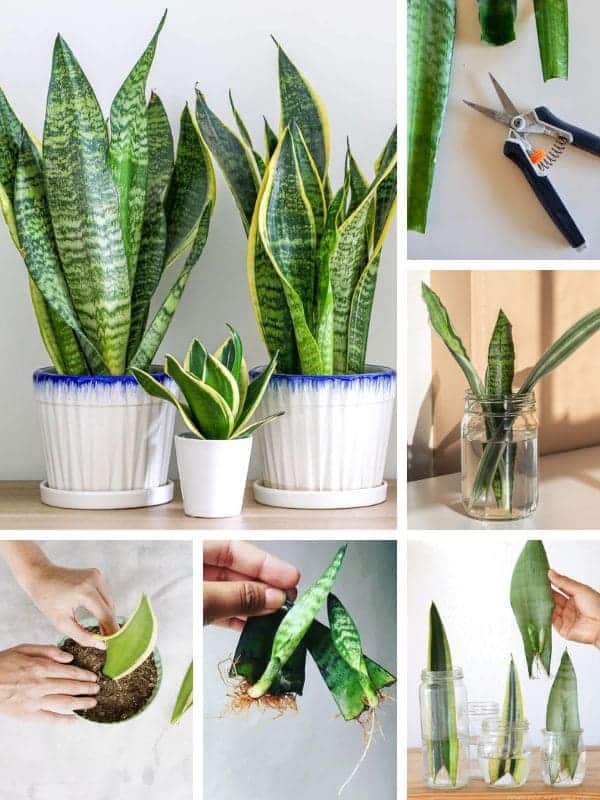
For water propagation, simply cut a healthy leaf into sections and place them in water. You’ll see roots forming in a few weeks.
For soil propagation, you plant the leaf cuttings in moist, well-draining soil and wait for roots to establish.
In addition, you can apply division method by separating root clusters from mature plants. Patience is key as new growth can take weeks to months.
#6. Snake Plants Were Part of NASA’s Air Purifying Study
Snake plants were included in NASA’s study on plants that purify indoor air.
They’re especially good at removing harmful chemicals like formaldehyde and benzene and can even release oxygen at night through a process known as Crassulacean Acid Metabolism (CAM).
#7. Root Rot is the Biggest Health Issue
The main issue I’ve seen with snake plants is root rot, which is almost always caused by overwatering. If the plant’s leaves turn yellow, develop mushy spots, or start drooping, you might be dealing with root rot.
Therefore, you need to remove the plant from its pot, trim away affected roots, and repot it in fresh, well-draining soil.
#8. Pruning for Shape and Health
Though snake plants are low-maintenance, occasional pruning helps maintain their appearance.
Prune any yellowing or damaged leaves close to the base. This keeps the plant looking tidy and ensures that energy is directed toward healthy growth.
I find spring and summer to be the best times for pruning, as the plant is actively growing.
#9. Temperature Tolerance and Care
Snake plants are tough, but they still prefer a temperature range of 60–85°F (15–29°C). They can tolerate brief cold spells but don’t fare well in freezing temperatures.
Keep your plant away from cold drafts or areas where it might be exposed to temperatures below 50°F (10°C).
#10. Slow Growth, Low Maintenance
Snake plants aren’t in a rush. They grow slowly, often producing just 2-4 new leaves per growing season.
This slow growth is ideal for indoor spaces, as it means you won’t need to repot or prune them as often. Plus, their slow pace of growth means less frequent attention and care.
#11. Pet Safety: Keep Out of Reach
Though snake plants are generally safe for humans, they can be toxic to pets, especially if ingested.
If your dog or cat likes to nibble on plants, it’s best to place the snake plant in a spot where they can’t reach it. Ingesting the plant can cause nausea or vomiting, though it’s typically not fatal.

#12. Repotting: Only When Necessary
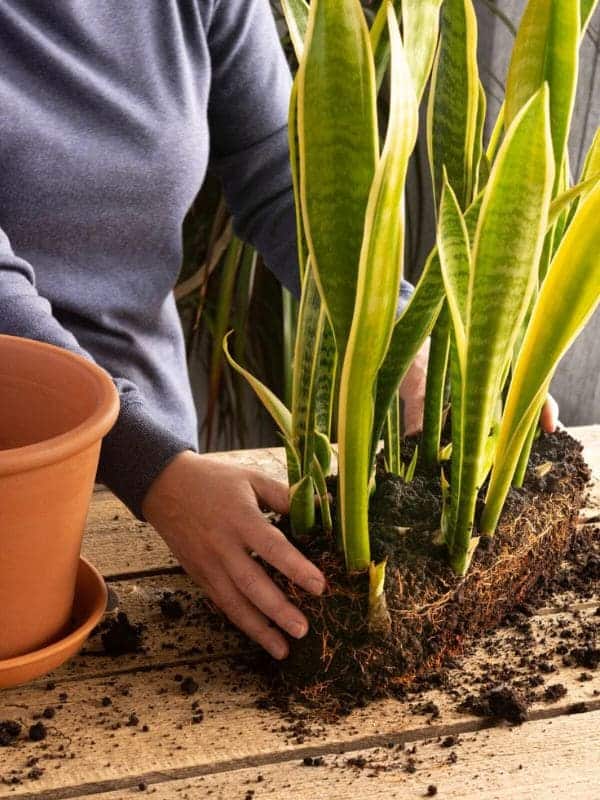
Because snake plants grow slowly, they don’t need frequent repotting. Typically, they only need a new pot every two to three years. You’ll know it’s time to repot when the plant becomes root-bound, or if roots begin poking through the drainage holes.
When you do repot, don’t go for a much larger pot. Snake plants actually prefer being a bit root-bound.
#13. Snake Plants Can Bloom, But It’s Rare
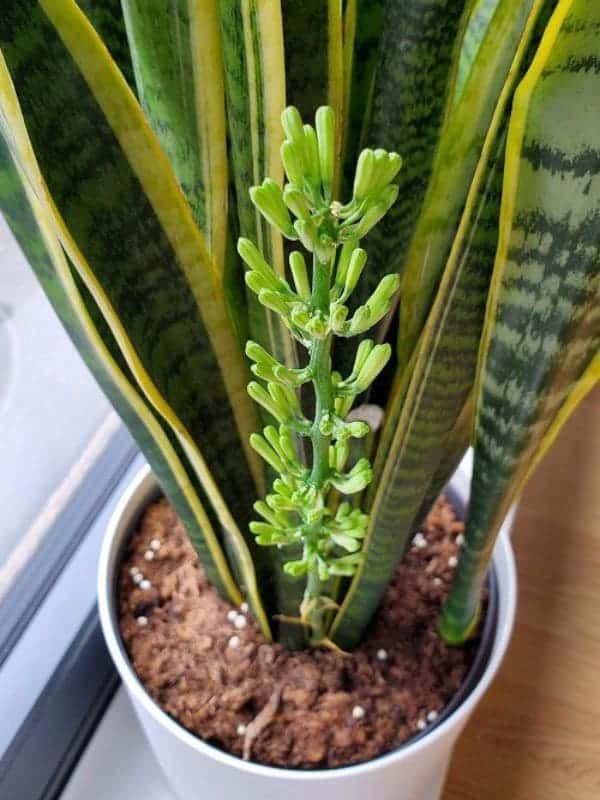
While it’s uncommon, snake plants do bloom. You might be lucky enough to witness small, fragrant, greenish-white flowers emerge on tall stalks.
However, this is usually a sign that your plant is under stress, perhaps because it’s root-bound or has encountered a change in its environment. If your snake plant does bloom, it’s a special treat.
#14. Fertilization Strategy: Less is more
when it comes to fertilizing, you should use a balanced, water-soluble fertilizer diluted to half strength during the growing season (spring and summer). Avoid fertilizing in winter when the plant is dormant.
#15. Pest Resistance
Snake plants are naturally resistant to most common houseplant pests.
However, occasional inspections can prevent potential infestations, so you need to look out for mealybugs, spider mites, scale insects and apply natural method like neem oils immediately.


