Snake plants are famous for being nearly indestructible. They handle missed waterings, low light, and the general chaos of real life better than most houseplants. But even these tough beauties can run into small issues over time, and that’s where an unexpected helper sometimes comes in: lemon juice.
Used the right way, a tiny amount of lemon juice can refresh a snake plant, support healthier soil conditions, and help with a few everyday problems. Used the wrong way, it can do more harm than good. Here’s what lemon juice actually does, why people reach for it, and how to try it without stressing your plant.
Why Lemon Juice Can Help Snake Plants
It Can Nudge Soil pH Back Into Balance
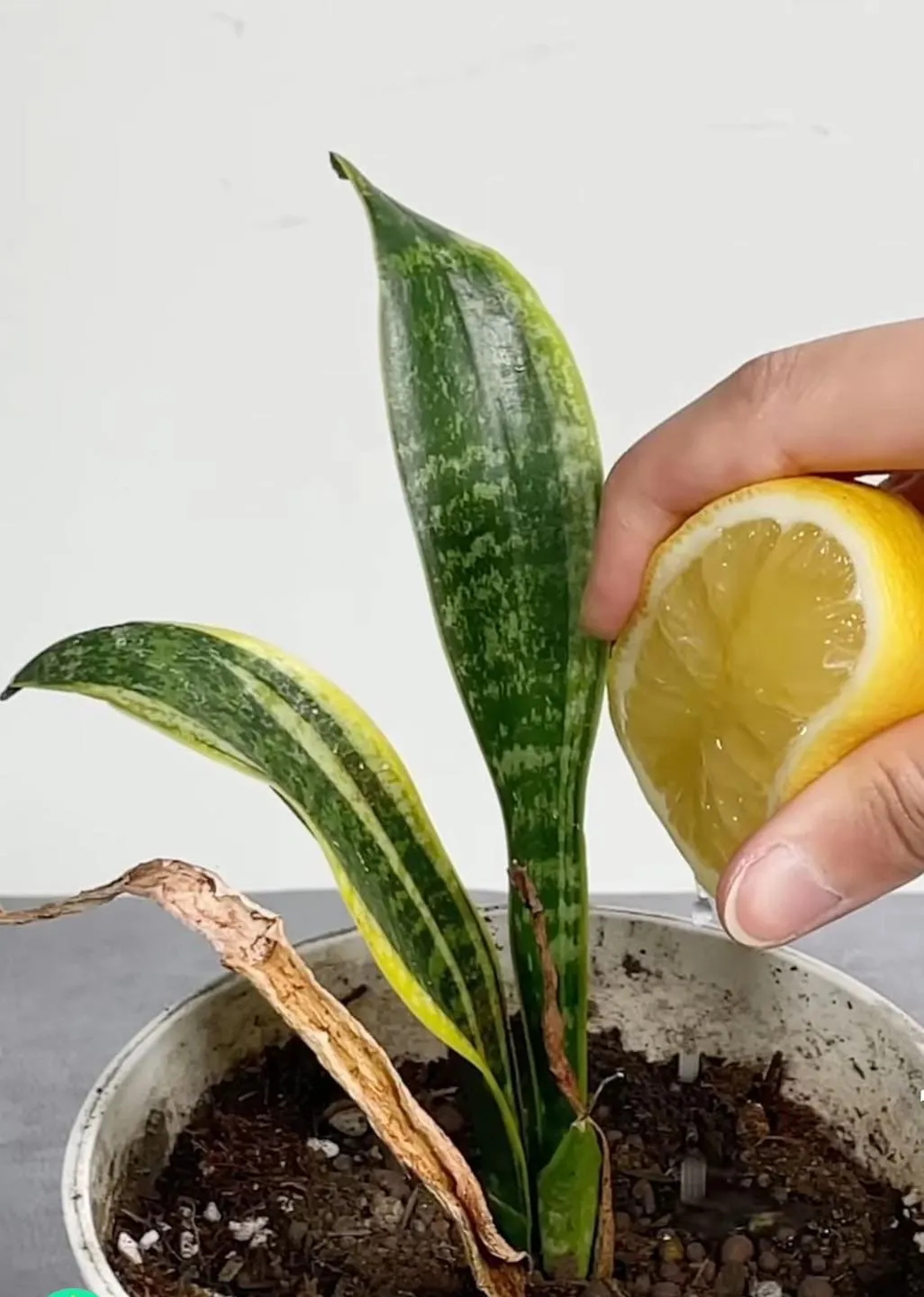
Snake plants prefer soil that stays slightly acidic to neutral. If you regularly water with alkaline tap water, the soil can slowly drift upward in pH. When that happens, nutrients become harder for the roots to absorb, and growth can stall or look less vibrant.
A couple of drops of lemon juice in water adds a gentle acidity that can help bring the soil back toward the range snake plants like. Think of it as a light correction, not a treatment you use all the time.
A Mild, Natural Pest Discourager

Even hardy plants can attract pests like mealybugs, fungus gnats, or spider mites. Diluted lemon juice has mild antifungal and antibacterial properties, and its acidity can make leaves and soil surfaces less welcoming to small pests.
It won’t replace proper pest control for a serious outbreak, but it can add a little extra protection when problems are minor.
It Helps Clean Dusty, Dull Leaves
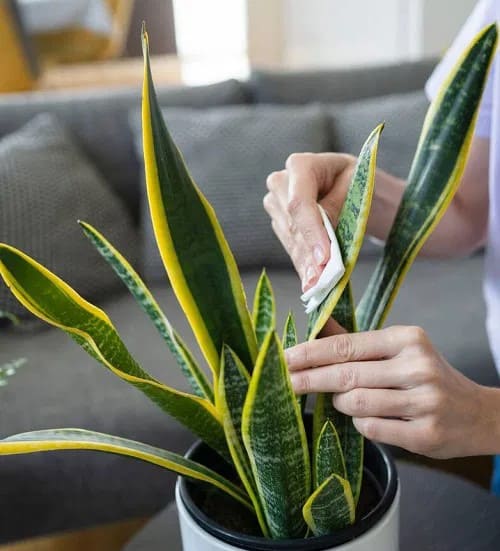
Snake plants have tall, upright leaves that act like dust magnets. A layer of dust blocks light, dulls the plant’s natural shine, and makes it harder for the leaves to “breathe.”
Wiping the leaves with a cloth dipped in diluted lemon water lifts grime and dissolves stubborn water spots. Done gently, this leaves the foliage looking fresher and brighter.
It Can Reduce Mold or Mineral Crust
If the top of your soil develops a white mineral crust or small patches of mold from staying too damp, a weak lemon-water rinse can help. The acidity breaks down salt buildup and discourages fungi without relying on harsh chemicals.
How to Use Lemon Juice Without Hurting Your Plant
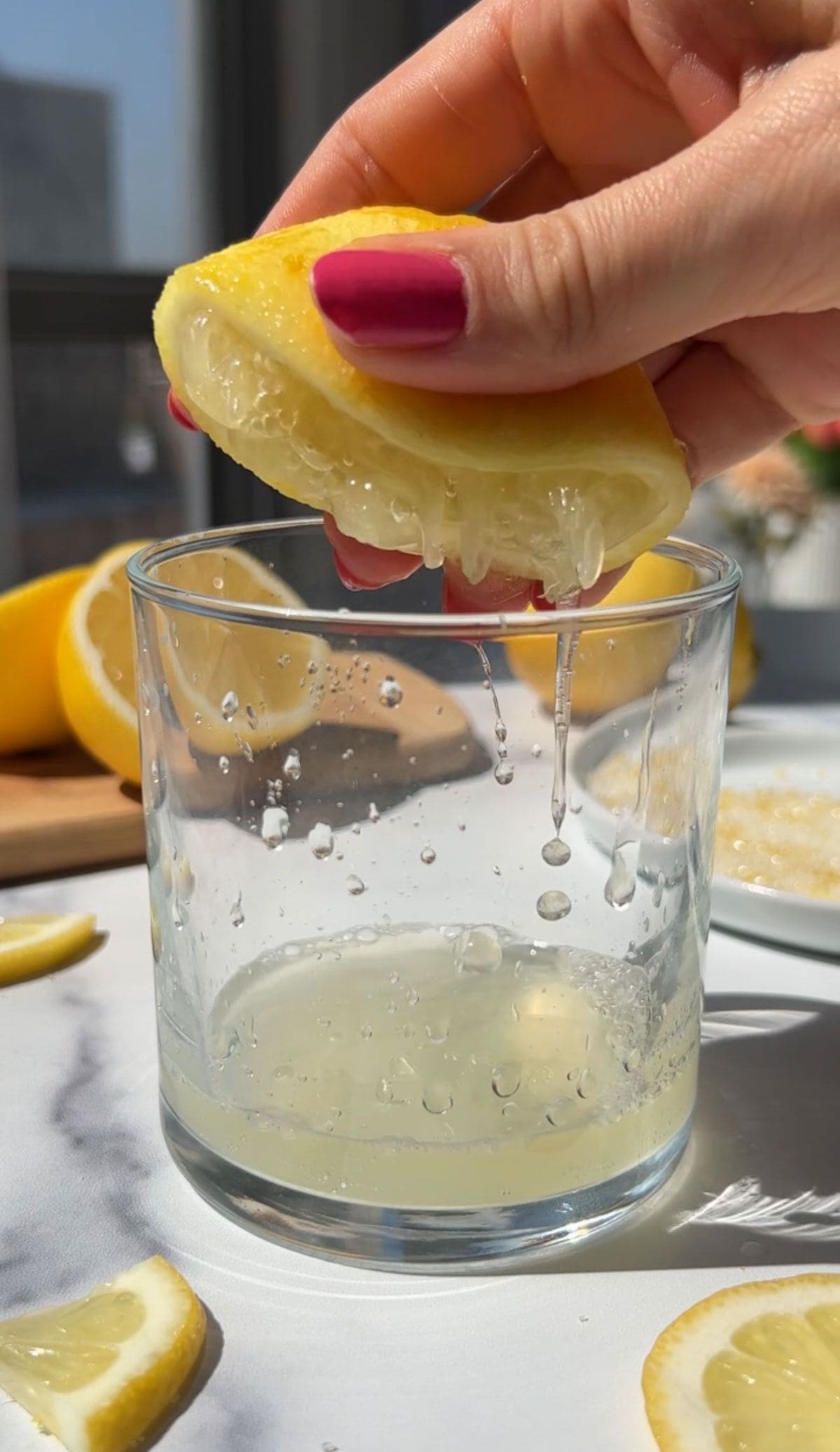
The golden rule is simple: always dilute. Pure lemon juice is far too acidic for snake plants and can burn roots or leaves.
Mix 2–3 drops of lemon juice into about 1 liter (1 quart) of water.
For soil: Water with this mixture only once every month or two. It’s a gentle adjustment, not your regular watering routine.
For leaves: Dip a soft cloth into the diluted solution, wring it out well, and wipe each leaf. Avoid spraying the plant directly, especially in bright light, because lemon residue plus sun can cause spotting.
Use lemon juice like a light refresh—never as a fertilizer substitute.
What Not to Do
Overdoing it is the most common mistake. Too much lemon juice can drive the soil pH too low, which stresses snake plants instead of helping them.
Also, don’t rely on lemon juice for a major pest infestation. It can deter small problems, but it’s not strong enough to stop a serious outbreak on its own.
And never pour undiluted lemon juice onto the soil or leaves. That’s a fast track to burns and root damage.
A Gentle Boost, Not a Miracle Fix
Lemon juice isn’t magic—it’s a subtle tool. When used sparingly and correctly, it can brighten leaves, support balanced soil, and help discourage minor pests.
Your snake plant will still thrive without it, so consider it optional care. If you decide to try it, keep the mixture mild, use it infrequently, and pay attention to how your plant responds.