Actor Sam Worthington recently made an unexpected creative decision while working on the Netflix thriller “I Will Find You,” a series adapted from the universe of Harlan Coben. Although he plays the central character in the story, David Burroughs, he surprised both the production team and the show’s creative leadership by requesting that a significant portion of his own dialogue be reduced during filming.

The series follows a tense, emotionally charged narrative centered on a father searching for his missing son. Worthington’s character is positioned at the heart of the story, driving much of the emotional weight and suspense. However, rather than leaning into a traditionally dialogue-heavy leading role, Worthington chose a more restrained approach to his performance. This decision was not something imposed by the script or production constraints, but rather something he actively pushed for during development and filming.
In interviews, Worthington revealed that his involvement in the project was influenced strongly by his wife, who is a long-time fan of Harlan Coben’s novels and screen adaptations. According to him, she encouraged him to take on the role after he received the offer from Netflix. He recalled how she told him directly that he should accept the opportunity because, in her view, he often did not participate in projects that she personally enjoyed watching. Her enthusiasm for Coben’s storytelling ultimately became the initial spark that led him to join the series.
The show quickly gained attention after its release, performing strongly on Netflix and reportedly breaking several viewership records by reaching the number one spot on the platform. Despite its success being driven by a mix of suspenseful storytelling and strong ensemble performances, Worthington’s portrayal of David Burroughs became a focal point for discussion, particularly because of how unusually subdued and emotionally internal the character appears compared to typical thriller leads.

What stood out most during production, however, was Worthington’s unusual request regarding his dialogue. Rather than embracing a conventional leading-man structure filled with exposition and explanatory lines, he asked the writers and producers to significantly reduce his spoken dialogue. This meant that many lines originally intended to provide narrative clarity or emotional articulation through his character were redistributed to other characters in the story or removed entirely.
Worthington later explained that his intention behind this decision was rooted in a specific creative philosophy. He wanted the story to be experienced through emotion rather than explanation, and he believed his character should function less as a traditional heroic figure and more as an emotional vessel within the narrative. In his view, David Burroughs should not dominate the story through words or overt exposition. Instead, he should be a character who absorbs and reflects the emotional consequences of the events unfolding around him.
He described this approach as a way of giving more narrative responsibility to other characters, particularly suggesting that Rachel, another central figure in the series, should take on a more active, heroic role. By reducing his own dialogue, Worthington aimed to shift the balance of storytelling away from a single dominant perspective and allow the ensemble cast to carry more of the narrative weight. This restructuring, according to his explanation, allowed the emotional tone of the series to feel more distributed and less anchored to a traditional protagonist formula.

The production team and even author Harlan Coben reportedly found the request unusual at first. In most television thrillers, especially those centered on a male lead, the expectation is that the protagonist will carry a significant portion of the dialogue, driving both plot explanation and emotional context. Worthington’s suggestion went against that conventional structure, which made it an unexpected proposal during development discussions. It was described internally as “very odd,” not because it was unworkable, but because it challenged the standard expectations of how a leading role in a thriller is usually constructed.
Despite initial hesitation, the creative team ultimately incorporated his approach, allowing the character to evolve into a more understated presence. This shift gave the series a different tonal quality, one that leaned more heavily into atmosphere, emotional tension, and the perspectives of supporting characters rather than relying on a constantly articulating protagonist.
Worthington himself explained that part of his motivation was to avoid being overwhelmed by the genre’s intensity and dramatic twists. By limiting his dialogue, he felt he could stay more grounded within the character’s emotional experience instead of becoming entangled in exposition-heavy storytelling. This allowed him to focus more on internal performance—expressions, reactions, and emotional presence—rather than verbal explanation.
He also suggested that this approach helped him avoid what he described as the “pulp” aspects of the narrative, allowing him to engage with the story in a more restrained and human way. Rather than portraying a traditionally heroic figure who constantly explains or drives events forward through speech, he preferred a version of the character who endures, reacts, and experiences the unfolding tragedy in a quieter, more internalized manner.
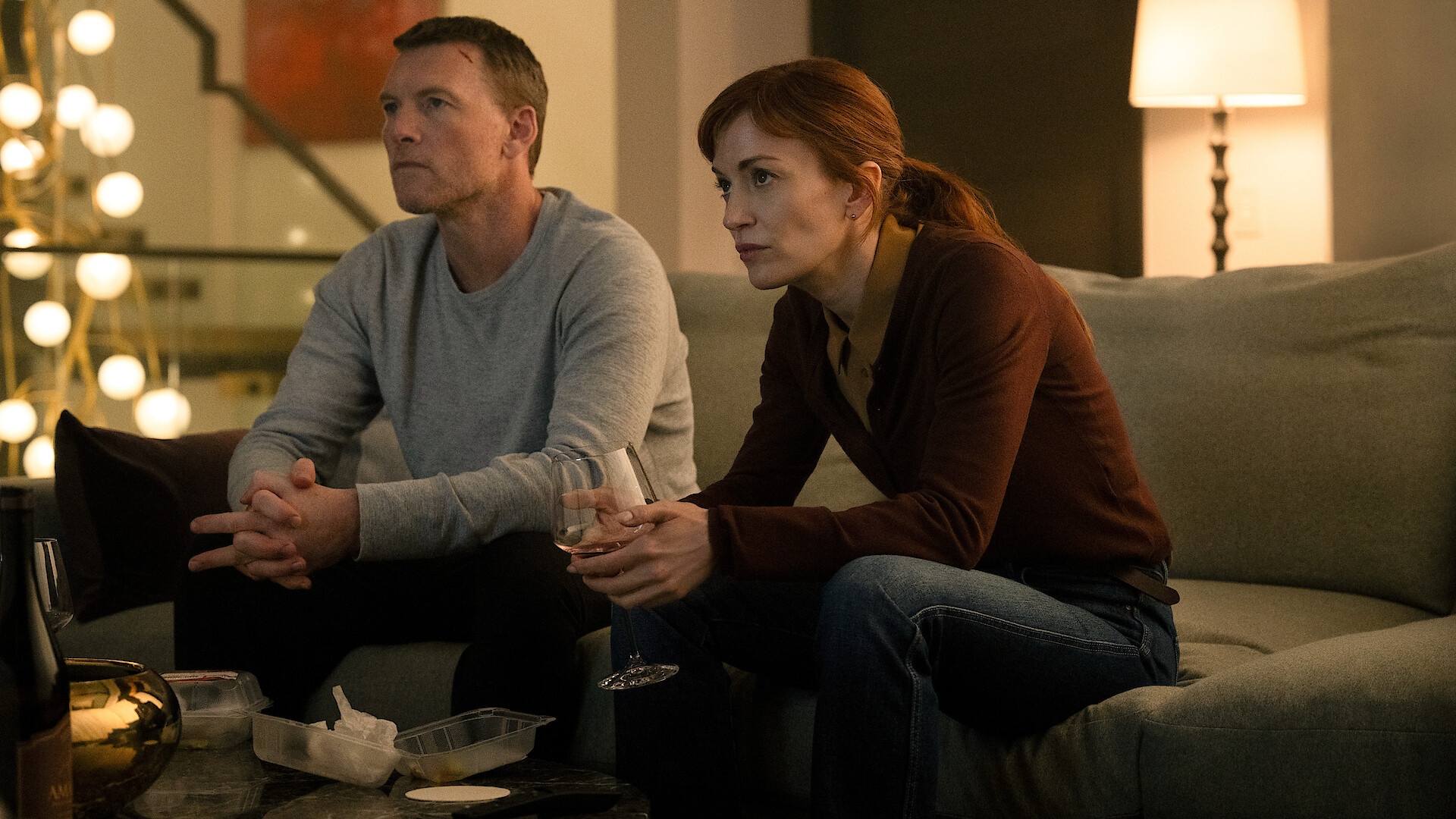
As a result, “I Will Find You” presents a somewhat unconventional leading performance, where the main character is deliberately less vocal and more emotionally reactive than audiences might expect from a Netflix thriller lead. This creative decision not only distinguishes Worthington’s portrayal but also contributes to the show’s broader tone, which emphasizes emotional tension and shifting perspectives over constant exposition.
Ultimately, what began as a surprising request during production became one of the defining creative choices of the series. It reshaped the way the central character functions within the narrative and contributed to a different interpretation of what a lead role in a thriller can look like.