In the film, her new criminal barrister, Mark McDonald, presents a robust defense of her position, contending that systemic issues in the healthcare facility contributed significantly to the tragic outcomes. Contrasting this perspective is Dr. Dewi Evans, an independent medical specialist who provided testimony during the initial trial and continues to maintain that the judicial outcome was appropriate and just. The documentary format allows these opposing viewpoints to unfold, offering audiences a chance to engage with the multifaceted arguments surrounding the evidence, expert opinions, and institutional responsibilities. As the production explores these elements, it captures the ongoing controversy that has persisted since the convictions, prompting renewed public interest in the details of the case and the possibility of further legal scrutiny.

Letby is currently pursuing avenues for a retrial through her updated legal team. This push reflects her determination to clear her name amid claims of miscarried justice. The film delves into these developments, illustrating how high-profile cases involving medical professionals often spark intense discussions about accountability, scientific interpretation of data, and the pressures faced by frontline staff in challenging work environments. By featuring direct contributions from key figures, the documentary encourages viewers to consider the broader implications for trust in healthcare systems and the legal processes that adjudicate such serious allegations.
Daily Realities and Personal Correspondence from Prison
From within the confines of her incarceration, Letby has maintained contact with a close circle, including her best friend Maisie, a fellow children’s nurse. In a heartfelt letter shared during the documentary, Letby opens up about the conditions she experiences daily. She describes having a private room complete with her own toilet facilities, which allows her to shower each day and take walks outdoors. These small routines provide a semblance of structure and dignity amid the restrictions of prison life. Her words convey a deep sense of isolation coupled with gratitude for the enduring support she receives from loved ones.
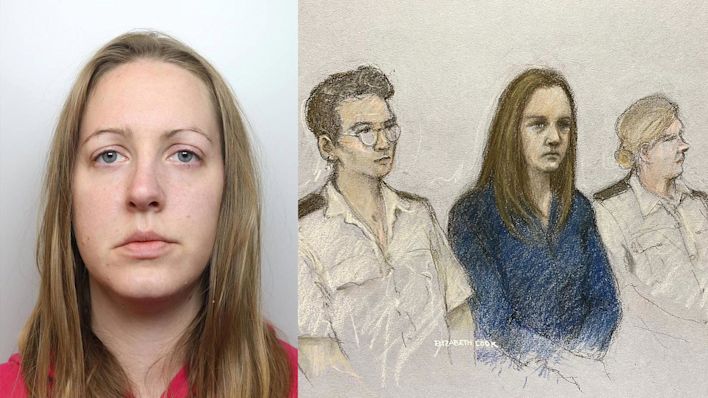
A particularly emotional section of the correspondence focuses on the pets she left behind. Letby expresses profound sadness over being separated from her cats, Tigger and Smudge, lamenting that they might view her as an unreliable caregiver. She notes with appreciation that her parents are looking after the animals well, likely indulging them with extra attention during this difficult period. This glimpse into her personal losses humanizes the former nurse, revealing the ordinary attachments that persist despite her extraordinary circumstances. Such details underscore the wide-reaching impact of her situation on family members and companions who remain on the outside.
In the same letter, Letby addresses her resolve to challenge the lengthy sentence imposed upon her, which consists of multiple whole-life orders. She emphasizes her commitment to staying strong and positive, refusing to surrender hope as she navigates the appeals process. This message of perseverance highlights her mental fortitude and ongoing fight for what her supporters believe is rightful exoneration. The communication serves as an important lifeline, reinforcing bonds that have survived the upheaval of her conviction and imprisonment. Through these exchanges, Letby conveys that the knowledge of unwavering friendship provides essential emotional sustenance during her ordeal.

The Strength of Enduring Bonds and Shifting Public Views
Maisie’s perspective forms a touching element of the documentary, offering insight into the authentic nature of her relationship with Letby. Producer Caroline Short, who worked on the project, remarked on the evident genuineness of their connection, describing it as a meaningful and fulfilling friendship that has withstood immense strain. This portrayal adds depth to the narrative, showing how personal relationships continue to play a supportive role even when one party faces the harshest of judgments from society and the courts.
The film presents a range of conflicting interpretations and evidence reviews, which have reportedly left many viewers reconsidering their initial assumptions about Letby’s guilt. By balancing defense arguments against established prosecution positions, it fosters an environment of critical thinking rather than outright conclusion. Audiences have engaged actively with these contrasting elements, sparking conversations across various platforms about the reliability of expert testimony, the interpretation of medical events in neonatal care, and the potential for institutional scapegoating in complex investigations.
This public discourse reflects the divisive impact of the case, where questions about fairness in the trial process intersect with deep concerns for the affected families. The documentary does not shy away from the pain experienced by all involved but instead seeks to illuminate different facets through firsthand accounts and professional analysis. Letby’s friendship with Maisie stands out as a beacon of loyalty, demonstrating how personal ties can offer comfort and motivation during appeals and reviews.
As Letby continues her legal battle, the insights from her letters and the observations of those closest to her paint a picture of a woman striving to maintain hope and normalcy. The production ultimately contributes to a larger conversation about justice, medical accountability, and the human stories behind sensational headlines. It invites reflection on whether every aspect of the original proceedings was adequately examined, encouraging a measured approach to such profound matters of life, loss, and potential redemption.
The exploration of Letby’s current reality serves as a reminder that even in the most contested cases, individual experiences of confinement, longing, and resilience shape the ongoing narrative. Supporters and critics alike find material in the documentary to fuel their perspectives, ensuring the discussion around her conviction and appeal remains dynamic and multifaceted. Through it all, the emphasis on genuine connections, such as the one with Maisie, highlights the personal dimensions that endure beyond courtroom decisions.