
Starmer and Khan: The Architects of Managed Suppression
Keir Starmer and Sadiq Khan now hold the two most powerful elected positions in British public life. Both are Labour, both come from the same ideological background, and both have shown a consistent approach to power that goes far beyond normal political disagreement.
The central claim is this: their behaviour is not the result of incompetence or poor judgment. It is the result of a deliberate political project that treats the traditional British majority as a problem to be managed rather than a people to be served.
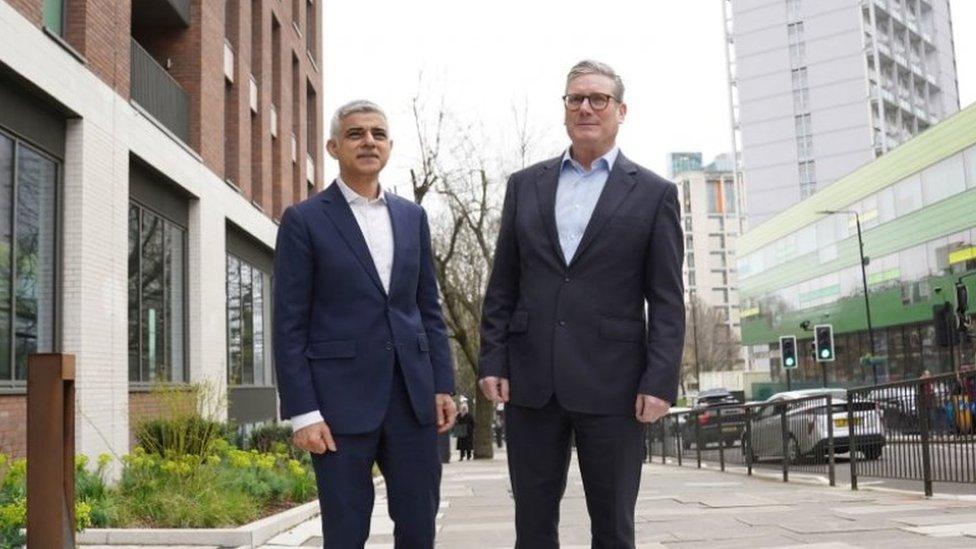
The Shared Method of Control
Both men have used the same basic tactic with remarkable consistency. They do not engage with critics. They do not debate the substance of concerns about immigration, cultural change, policing, or national identity. Instead, they label, smear, and attempt to erase opposition.
Starmer has repeatedly described large public protests as “extremist” without addressing the specific grievances that brought people onto the streets. Khan has spent years in London applying similar labels — far-right, Islamophobic, racist — to anyone who questions his policies on issues ranging from ULEZ to cultural celebrations.
The effect is the same in both cases. The critic is delegitimised, the concern is made toxic, and the conversation ends. This is not accidental. It requires coordination, institutional support, and a shared understanding of which voices are acceptable and which must be marginalised.
Institutional Machinery
This approach only works because it operates through institutions that have been shaped over time. Large sections of the media have shown consistent alignment with the language and framing coming from both City Hall and Downing Street. Terms such as “far right,” “hate march,” and “extremist” appear with striking uniformity, often before events have even taken place.
The Grooming Gangs Scandal


