
How to Grow and Care for African Violets for Beautiful Blooms All Year Long 💜
African violets (Saintpaulia) are among the most rewarding flowering houseplants you can grow indoors. Their soft, velvety leaves and colorful flowers can bloom for months when given the right care. Follow this simple guide to keep your African violets healthy and flowering year-round.
Step 1: Provide Bright, Indirect Light

African violets love bright light but dislike direct sun. Place them near an east-facing window where they can receive gentle morning light. If natural light is limited, use a grow light for 12–14 hours per day.
Signs of insufficient light include fewer flowers and stretched stems.
Step 2: Plant in Well-Draining Soil
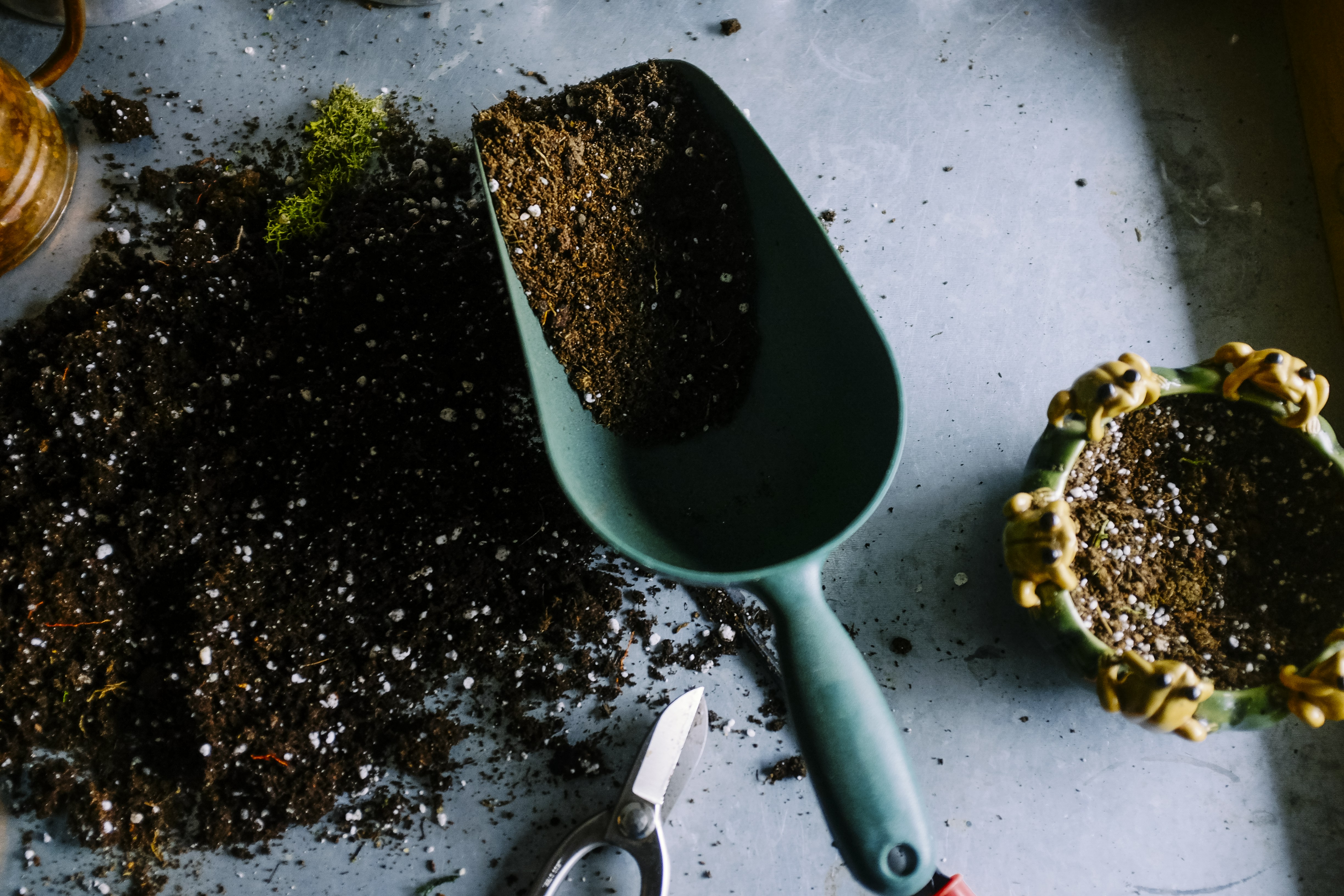
Use a lightweight potting mix specifically formulated for African violets. These plants prefer airy soil that drains quickly while retaining enough moisture for healthy roots.
A good mix contains peat moss, perlite, and vermiculite. Always choose a pot with drainage holes to prevent root rot.
Step 3: Water the Right Way

Overwatering is the most common reason African violets fail.
Water only when the top layer of soil feels slightly dry. Use room-temperature water and avoid getting water on the leaves. Bottom watering is ideal: place the pot in a shallow tray of water for about 20 minutes, then remove it and allow excess water to drain.
This method keeps foliage healthy and prevents leaf spotting.
Step 4: Maintain Warm Temperatures and Humidity

African violets thrive in temperatures between 65°F and 80°F (18°C–27°C). They also enjoy moderate humidity.
If your home is dry, place the pot on a pebble tray filled with water or group several houseplants together to create a humid microclimate.
Avoid cold drafts, heaters, and air-conditioning vents.
Step 5: Fertilize for More Flowers

To keep blooms coming, feed your African violets every 2–4 weeks with a fertilizer formulated for flowering houseplants.
Apply according to package directions. Regular feeding encourages larger flowers, richer colors, and stronger leaf growth.
Less fertilizer is usually better than too much.
Step 6: Remove Spent Blooms
Regular grooming keeps your plant looking beautiful.
Remove faded flowers and damaged leaves as soon as you notice them. This allows the plant to direct energy toward producing fresh buds instead of supporting old growth.
Healthy plants often bloom continuously when deadheaded regularly.
Step 7: Propagate from Leaf Cuttings

African violets are easy to multiply.
Cut a healthy leaf with a short stem, insert it into moist potting mix, and keep it warm and lightly humid. In a few weeks, tiny baby plants will emerge from the base of the leaf.
This simple method can turn one plant into many.
Final Thoughts
African violets may look delicate, but they are surprisingly easy to grow. Give them bright indirect light, well-draining soil, careful watering, and regular feeding, and they will reward you with spectacular blooms throughout the year. With a little consistency, your windowsill can become a colorful display of flowers every season. 🌸💜


