And the best part? They’re super easy to grow, even if you’re just starting out with gardening (or looking for a fun outdoor activity for the kids).
In this guide, we’ll explain how to grow carrots from carrot tops, from why they’re so good for you to how you can get a bumper crop in your own backyard. Plus, we’ve got a tasty recipe at the end that you’ll want to try!
The health benefits of carrots
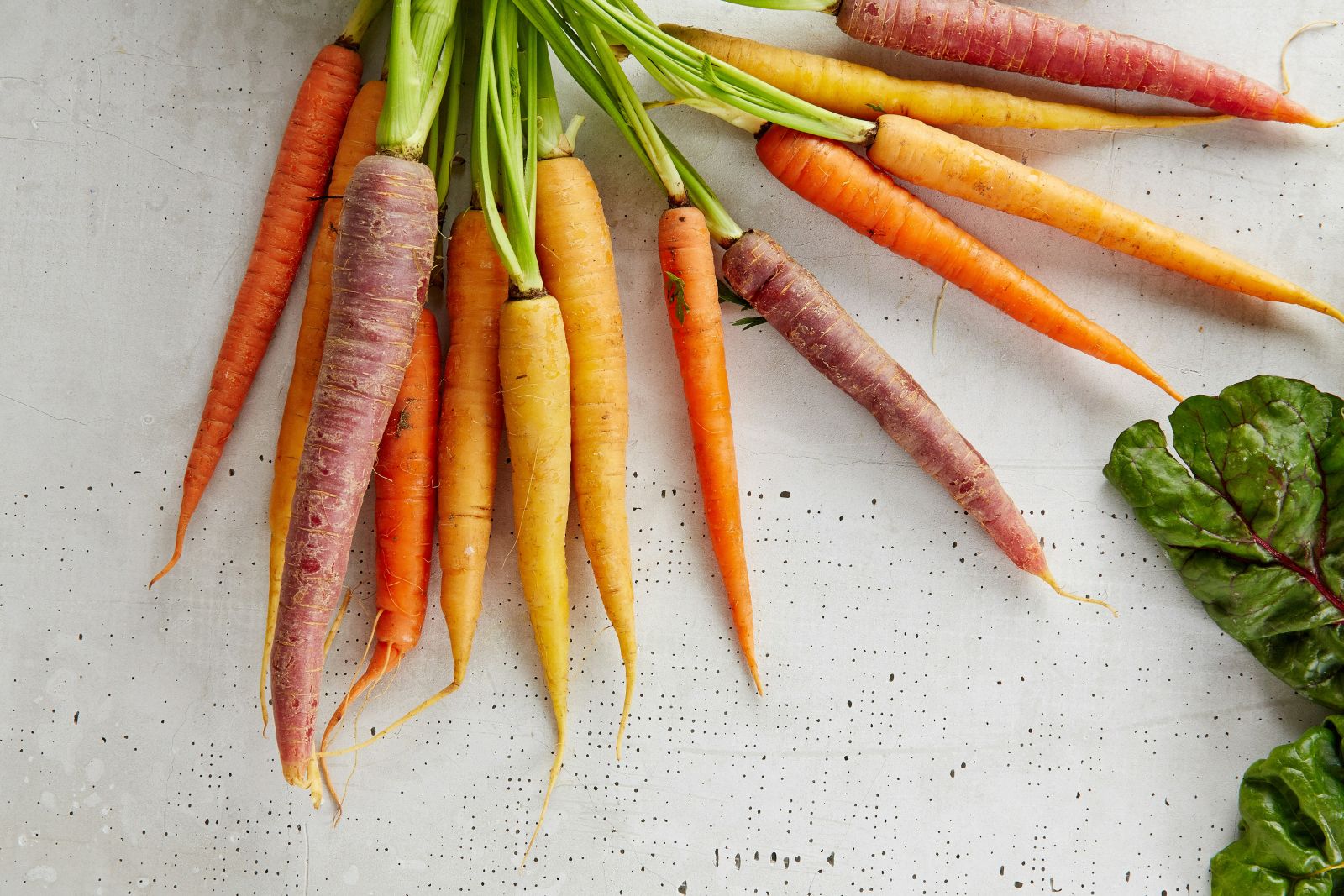
Carrots are a source of nutrient-rich greens and encourage a healthier lifestyle. They are packed with essential vitamins, particularly vitamin A, crucial for maintaining healthy vision, immune function, and skin health.
They also offer a good amount of vitamin C, an antioxidant that supports the immune system and helps absorb iron, and vitamin K, which is important for blood and bone health. These veggies even contain minerals like calcium, which is vital for strong bones and teeth, and potassium, which aids in maintaining proper heart function and regulating blood pressure.
Can you grow carrots from carrot tops?
.jpg)
When you grow carrots from tops, you’re regrowing the green, leafy part of the carrot rather than the orange root itself. Carrots are biennial plants, meaning they have a two-year life cycle.
In their first year, they grow the root, which we eat. In their second year, they flower and produce seeds. When you regrow carrots from tops, you’re not growing a new root but a leafy plant that can add greenery to your garden or home.
While this method won’t produce new carrot roots, it’s a fun way to propagate carrot greens and can lead to an aesthetically pleasing plant that might even produce seeds if allowed to mature.
How to grow carrots at home
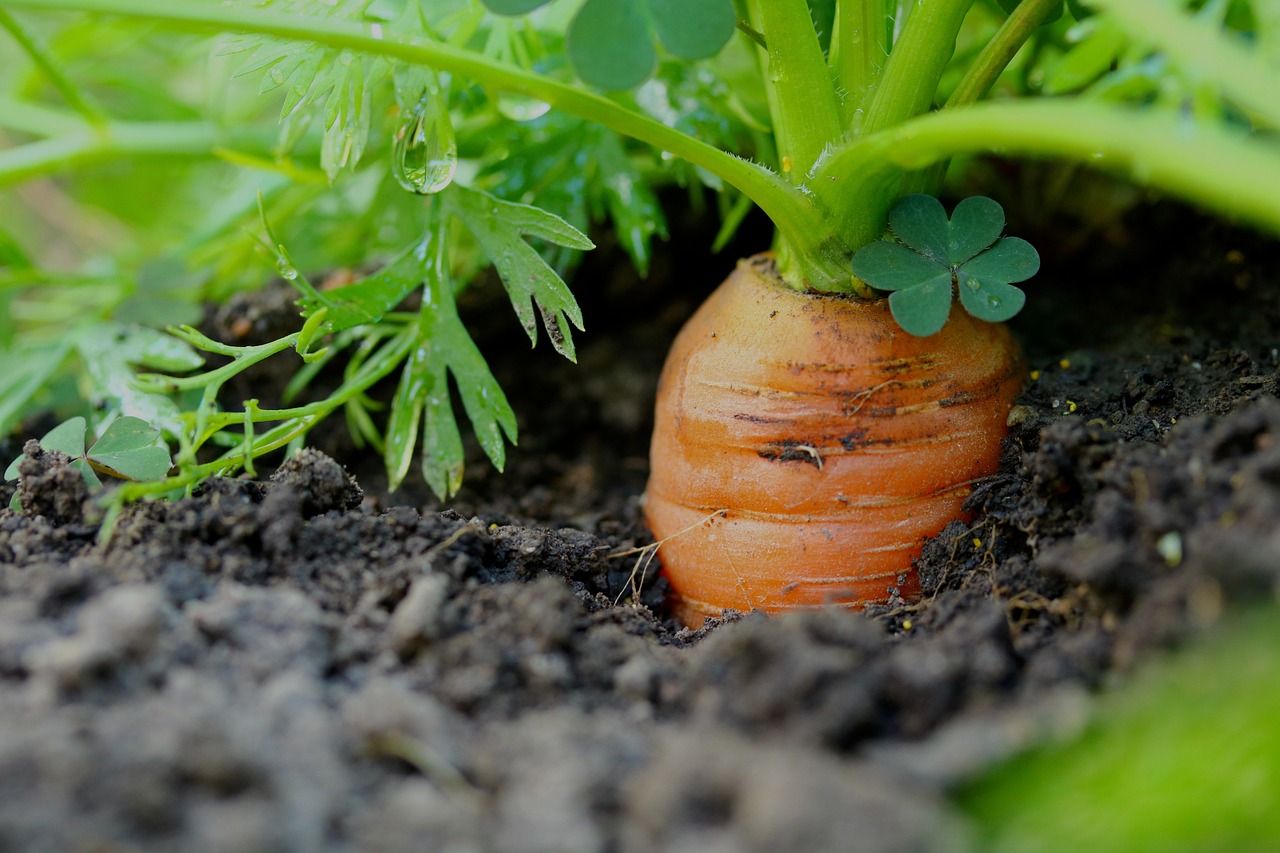
To grow carrots at home, you’ll need a few basic supplies and a bit of patience. Here’s a more detailed guide to get started.
What you’ll need
- Carrots: Choose fresh carrots with healthy, leafy tops. The greens are essential for regrowing the plant.
- Knife: A sharp kitchen knife will be needed to trim the carrot tops.
- Flat dishes or deep saucers: These will serve as temporary containers for your carrot tops before they’re transferred to the soil.
- Gravel: Small stones or pebbles will help create a stable base if you start your carrot tops in water.
- Water: Fresh, clean water is crucial, especially if you’re using the pebble method.
- Potting soil: Choose high-quality potting soil with good drainage properties for planting your carrots.
Step-by-step instructions
- Prepare the Carrot Tops: Begin with fresh carrots that have a healthy set of leafy greens still attached. Cut off the leafy tops using a sharp knife, leaving about two inches of green stems intact. These green tops will be crucial for the carrot to regrow.
- Plant the Carrot Tops: Next, you’ll need to prepare the carrot tops for planting. Cut off the top inch of the carrot, which includes the part with the leafy greens. You now have two options:
Soil Method: Place the cut carrot top in a shallow dish filled with potting soil. Make sure the green tops are above the soil surface. Keep the soil slightly moist, but avoid overwatering, which can lead to rotting.
Pebble Method: Alternatively, you can place the carrot top in a dish filled with fine pebbles. Add just enough water to cover the base of the carrot. The pebbles will help support the carrot top as it starts to regrow. Refresh the water every other day to keep it clean and oxygenated.
- Transition to Soil: After a few days, you should see new green shoots emerging from the top of the carrot. This indicates that the carrot is successfully regrowing. If you’ve started the carrot in pebbles, it’s time to transfer it to soil. Gently plant the carrot top in a raised garden bed filled with potting soil, again ensuring the greens are above the soil surface. Keep the soil consistently moist but not waterlogged.
- Ongoing Care: Place the pot in a sunny spot, ideally where it can receive at least 6-8 hours of sunlight daily. Carrots need warmth and light to grow properly. Over time, the carrot top will develop roots and eventually grow into a full carrot plant.
Carrot varieties to experiment with in your garden
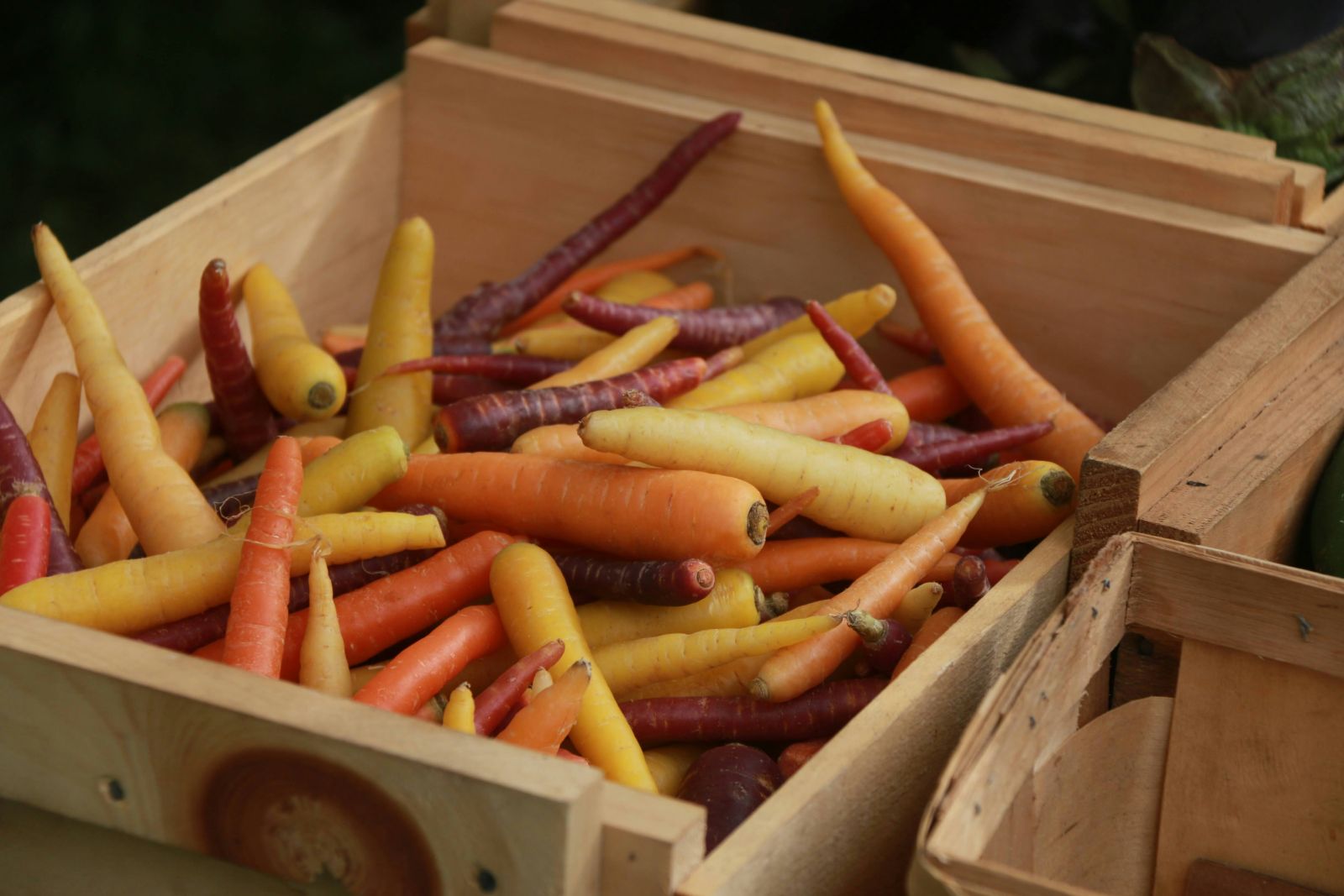 Carrots come in more than just the classic orange, and growing a mix of varieties can add colour, flavour, and fun to your veggie patch. Here are a few to try!
Nantes
Nantes carrots are a reliable all-rounder. They’re crisp, sweet, and cylindrical with blunt ends. They’re ideal for beginners and grow well in most Aussie backyards.
Danvers
With their tapered shape and strong tops, Danvers carrots are a hardy choice that perform well in heavy soils. They are great for juicing and roasting.
Chantenay
Short and stubby, Chantenay carrots are perfect for raised beds or containers. They’re known for their rich flavour and deep orange colour.
Purple Dragons
Add a splash of colour to your harvest with these striking purple-skinned garden carrots. Inside, they’re a vibrant orange and packed with antioxidants.
Atomic Red
When cooked, these carrots turn even redder and have a slightly spicy, earthy flavour. A fun way to brighten up dinner plates and garden rows alike.
Little Fingers
As the name suggests, these baby carrots are small, sweet, and fast-growing — ideal for kids or anyone looking for quick harvests.
FAQs about growing carrots at home
How long do carrots take to grow?
Carrots typically take 70 to 80 days to mature when they are sown, depending on the variety. Some faster-growing varieties may be ready in as little as 60 days, while others may take up to 100 days.
What type of soil or potting mix is best for growing carrots?
Carrots prefer loose, well-drained soil free of rocks and heavy clumps. Sandy loam soil is ideal because it allows the carrot roots to grow straight and long. Adding compost can help improve soil texture and provide necessary nutrients, but avoid using too much nitrogen-rich fertiliser, which can cause the roots to fork.
How often should I water my carrot plants?
Carrots need consistent moisture to develop properly, but they don’t like to be waterlogged. Water them deeply once or twice a week, depending on rainfall and temperature, to ensure the soil stays evenly moist. Mulching around the plants can help retain moisture and keep the soil cool.
When is the best time to plant carrots?
Carrots are cool-season crops and grow best when planted in early spring or late summer. You can plant successive batches every 2-3 weeks during the growing season for a continuous harvest. Carrots can also be grown in mild climates in autumn and winter.
When is the best time to harvest carrots?
Carrots are usually ready to harvest when they reach their mature size, which can vary depending on the variety. The tops of the carrot roots may start to show above the soil surface. You can gently pull one up to check its size. Harvest carrots when they are the size you prefer; leaving them in the ground too long can cause them to become woody and less flavourful.
How do I grow carrots from seeds?
Start by preparing the soil well for seed germination and success. Carrot seeds are tiny, so sow them thinly in rows about 1/4 inch deep. Cover lightly with soil and keep the soil moist until seed germination, which usually takes 1-3 weeks.
Once the seedlings are about 2 inches tall, thin them out so that each carrot has enough space to grow, typically about 2-3 inches apart. Be patient, as carrots take time to develop, but with proper care, you’ll have a bountiful harvest.
Should I practice crop rotation with carrots?
Yes, practising crop rotation with carrots is a good idea. Rotating crops helps prevent soil-borne diseases like root-knot nematodes and reduces nutrient depletion in your garden bed. Avoid planting carrots or other root crops in the same spot for at least two to three seasons, and follow them with leafy greens or legumes to help restore soil health.
Bonus recipe: Honey-glazed roasted carrots with thyme
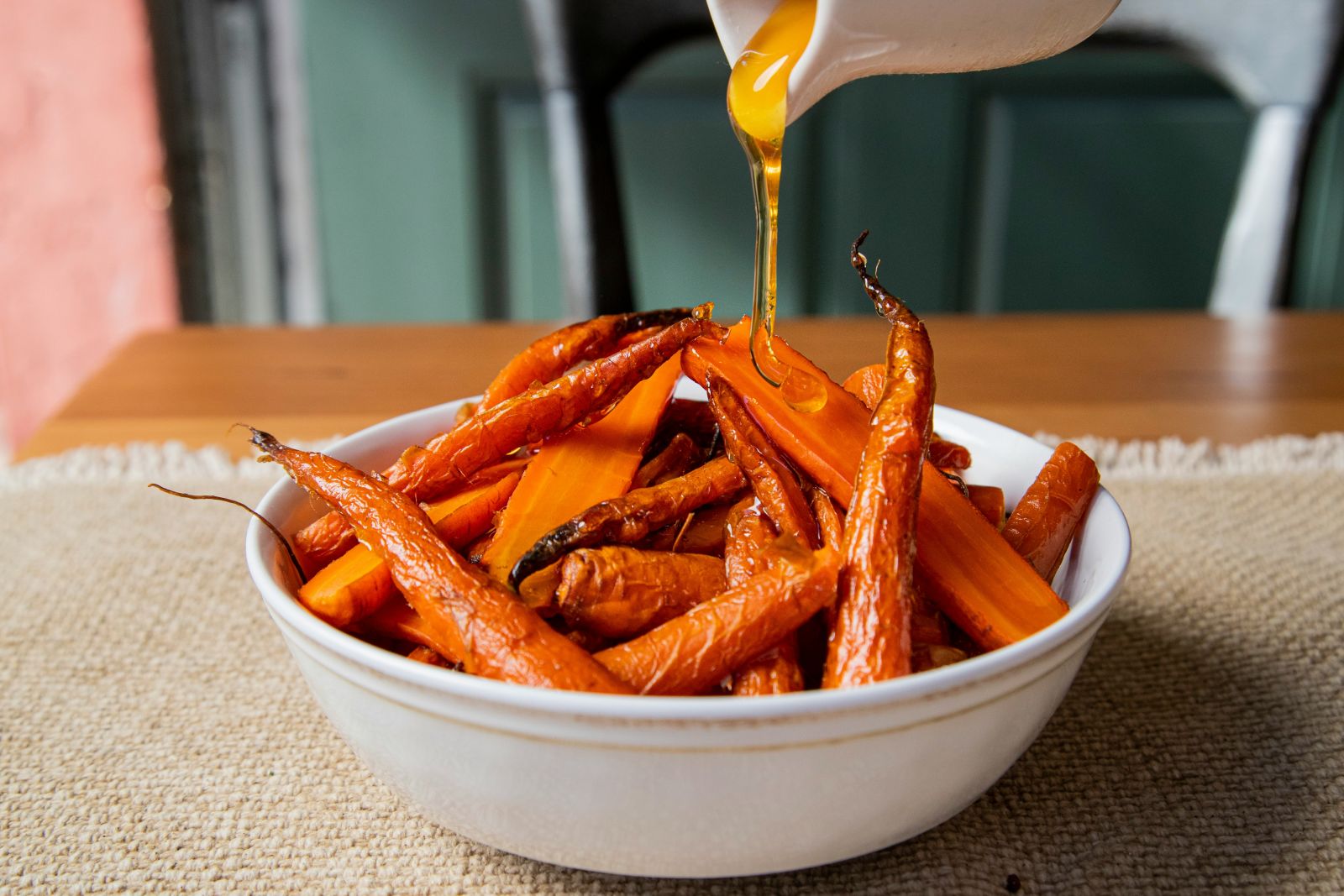
This delicious recipe highlights the natural sweetness of garden-grown carrots, enhanced with honey and aromatic thyme. It’s a simple yet flavourful side dish that pairs well with various main courses, or you can eat it as a healthy snack!
Ingredients
- A bunch of freshly harvested carrots peeled and cut into even-sized pieces
- 2 tablespoons olive oil
- 2 tablespoons honey
- 1 teaspoon fresh thyme leaves (or 1/2 teaspoon dried thyme)
- Salt and freshly ground black pepper to taste
- 1 tablespoon fresh lemon juice (optional for a zesty finish)
- Fresh thyme sprigs for garnish
Method
- Preheat the Oven: Preheat your oven to 200°C. Line a baking sheet with parchment paper or lightly grease it with olive oil.
- Prepare the Carrots: If your carrots are small and tender, you can leave them whole or cut them in half lengthwise. Cut larger carrots into evenly sized sticks or rounds to ensure they cook evenly.
- Season the Carrots: In a large mixing bowl, toss the prepared carrots with olive oil, honey, thyme leaves, salt, and pepper until they are evenly coated. The honey will caramelise during roasting, giving the carrots a beautiful glaze.
- Roast the Carrots: Spread the carrots in a single layer on the prepared baking sheet. Roast in the oven for 20-25 minutes or until the carrots are tender and caramelised at the edges. Halfway through the cooking time, give the carrots a good toss to ensure even roasting.
- Finish with Lemon Juice (Optional): For an extra layer of flavour, drizzle the roasted carrots with fresh lemon juice immediately after they come out of the oven. This will add a bright, zesty note that complements the sweetness of the honey.
- Serve: Transfer the honey-glazed roasted carrots to a serving dish. Garnish with fresh thyme sprigs for an elegant touch. Serve warm as a side dish to your favourite main course.
Extra tasty tips
- Variety: Mix in other root vegetables like parsnips or beets for a colourful medley.
- Spice It Up: For a different flavour profile, add a pinch of ground cumin or smoked paprika to the seasoning mix.
- Nuts: Sprinkle toasted nuts like pecans or walnuts on top for added crunch and richness.