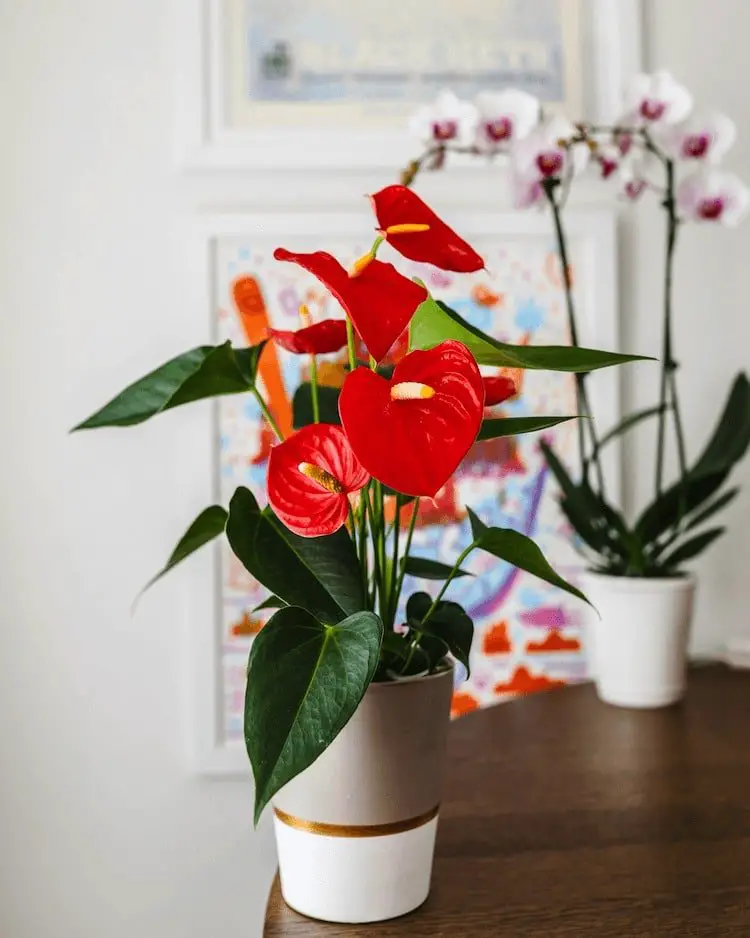
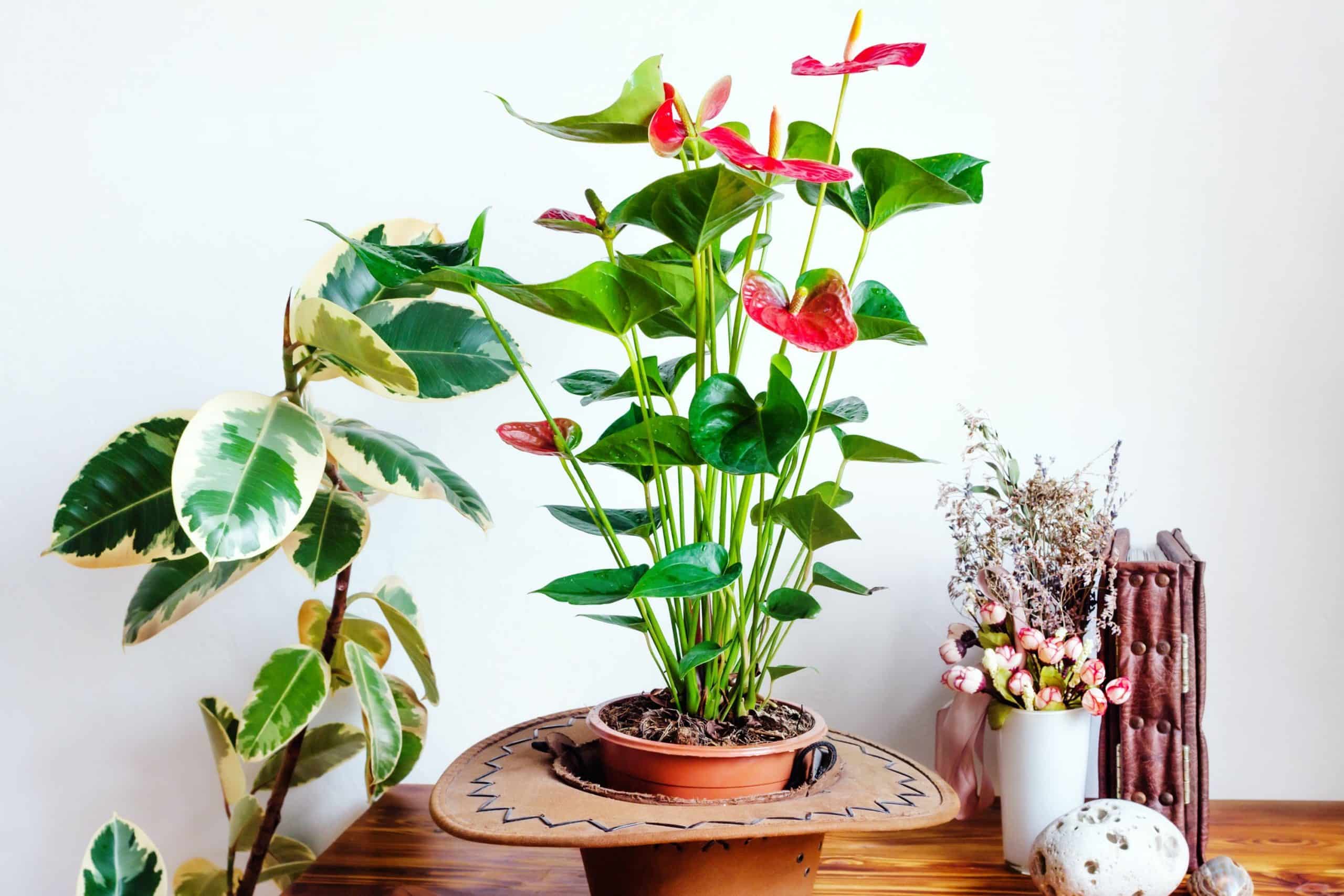
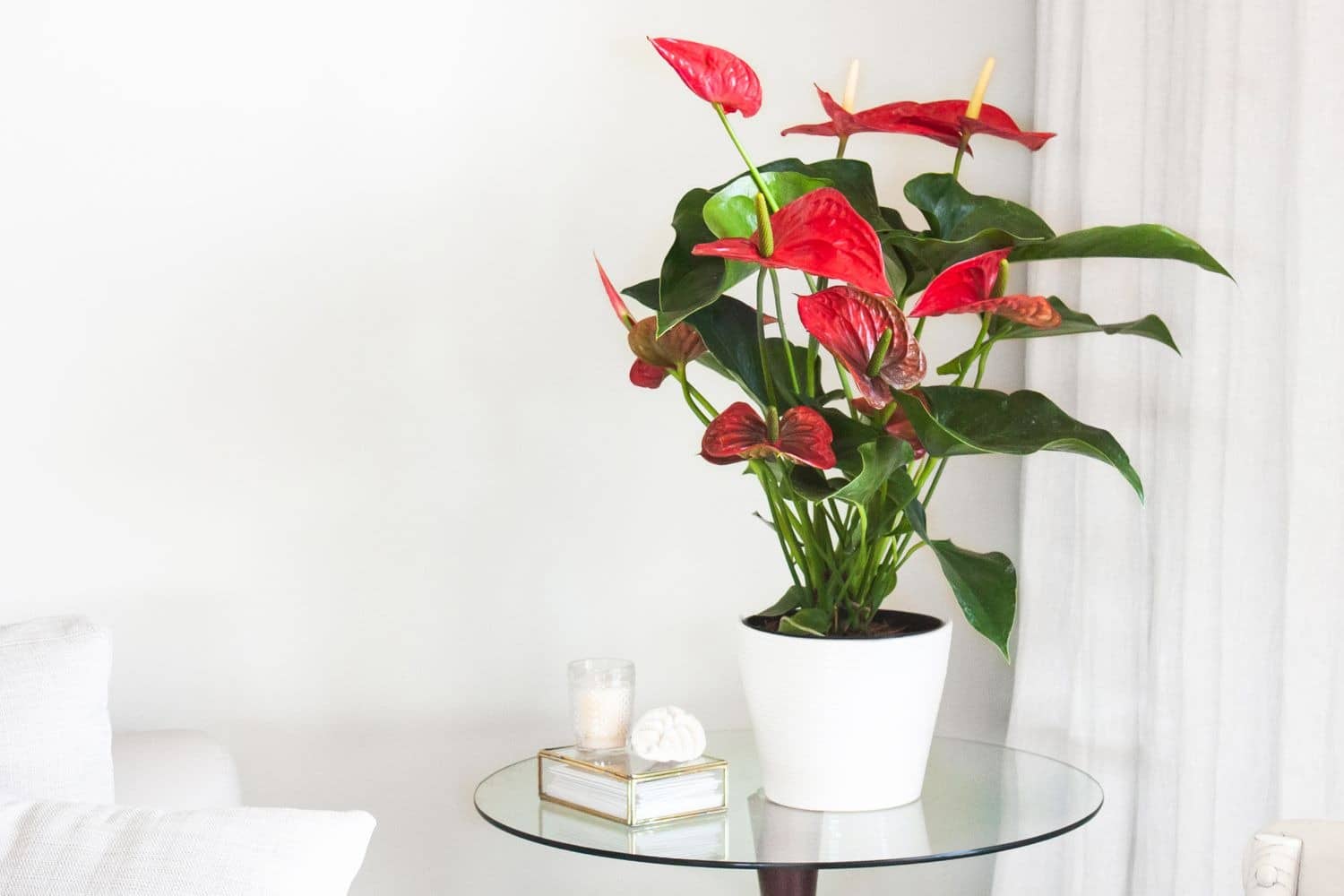
Anthuriums, with their vibrant heart-shaped flowers and glossy green leaves, are among the most striking houseplants you can grow. Often called the Flamingo Flower or Laceleaf, these tropical plants are surprisingly easy to care for when their basic needs are met.
If you want your anthurium to stay healthy and produce flowers throughout the year, the key lies in proper watering, light, humidity, and nutrition. With the right routine, these plants can reward you with long-lasting, colorful blooms.
Essential Anthurium Care
Watering
Anthuriums prefer soil that stays lightly moist but never soggy. Water only when the top inch of soil feels dry. Overwatering can lead to root rot and fungal problems, so always use a well-draining potting mix and a container with drainage holes.
After watering, allow excess water to drain completely to maintain the right balance between moisture and airflow around the roots.
Light
Bright, indirect light is ideal for anthuriums. While they can tolerate lower light levels, insufficient light may reduce flowering. Direct sunlight, on the other hand, can scorch the leaves.
Indoors, place your anthurium near a north- or east-facing window, where it can receive gentle morning light without exposure to harsh midday sun.
Soil
Anthuriums thrive in a loose, well-aerated, and slightly acidic growing medium. A mix containing orchid bark, perlite, and peat moss provides excellent drainage while retaining enough moisture.
Repotting every two to three years refreshes the soil and supplies new nutrients, supporting continued growth and flowering.
Fertilizer
During the active growing season in spring and summer, feed your anthurium with a balanced liquid fertilizer every six to eight weeks.
Always dilute the fertilizer to half or quarter strength to avoid salt buildup and root damage. In fall and winter, reduce or stop fertilizing as growth naturally slows.
How to Encourage Anthuriums to Bloom
Provide Enough Light
For consistent flowering, anthuriums need at least six hours of bright, indirect light each day. Adequate light stimulates bud formation, while insufficient light can result in lush foliage but few flowers.
Maintain the Right Temperature
Anthuriums grow best in temperatures between 65°F and 80°F (18°C to 27°C). Stable warmth encourages flower production.
Avoid cold drafts and temperatures below 50°F (10°C), as cold stress can prevent blooming.
Increase Humidity
As tropical plants, anthuriums love humidity. Dry indoor air—especially during winter—can slow growth and reduce flowering.
Use a humidifier, place a tray of water nearby, or group plants together to create a more humid environment.
Use the Right Fertilizer
In addition to regular feeding, using a fertilizer slightly higher in phosphorus can support flower development. Phosphorus helps promote strong blooms and healthy root systems.
Remove Spent Flowers
Once flowers begin to fade, remove them promptly. This prevents the plant from wasting energy on old blooms and encourages the production of new flower spikes.
Prune and Shape
Occasional pruning helps maintain a neat shape and encourages fresh growth. Remove damaged or yellowing leaves, but keep healthy foliage intact, as it fuels the plant’s overall vitality.
Watch for Pests
Common pests such as aphids and spider mites can weaken anthuriums and reduce flowering. Inspect leaves regularly and treat infestations early with insecticidal soap or neem oil.
Bonus Care Tips
Choose the right pot: Anthuriums prefer a slightly snug container. Too much extra space can slow flowering and encourage excess moisture.
Keep leaves clean: Wipe leaves oc
Anthuriums, with their vibrant heart-shaped flowers and glossy green leaves, are among the most striking houseplants you can grow. Often called the Flamingo Flower or Laceleaf, these tropical plants are surprisingly easy to care for when their basic needs are met.
If you want your anthurium to stay healthy and produce flowers throughout the year, the key lies in proper watering, light, humidity, and nutrition. With the right routine, these plants can reward you with long-lasting, colorful blooms.
Essential Anthurium Care
Watering
Anthuriums prefer soil that stays lightly moist but never soggy. Water only when the top inch of soil feels dry. Overwatering can lead to root rot and fungal problems, so always use a well-draining potting mix and a container with drainage holes.
After watering, allow excess water to drain completely to maintain the right balance between moisture and airflow around the roots.
Light
Bright, indirect light is ideal for anthuriums. While they can tolerate lower light levels, insufficient light may reduce flowering. Direct sunlight, on the other hand, can scorch the leaves.
Indoors, place your anthurium near a north- or east-facing window, where it can receive gentle morning light without exposure to harsh midday sun.
Soil
Anthuriums thrive in a loose, well-aerated, and slightly acidic growing medium. A mix containing orchid bark, perlite, and peat moss provides excellent drainage while retaining enough moisture.
Repotting every two to three years refreshes the soil and supplies new nutrients, supporting continued growth and flowering.
Fertilizer
During the active growing season in spring and summer, feed your anthurium with a balanced liquid fertilizer every six to eight weeks.
Always dilute the fertilizer to half or quarter strength to avoid salt buildup and root damage. In fall and winter, reduce or stop fertilizing as growth naturally slows.
How to Encourage Anthuriums to Bloom
Provide Enough Light
For consistent flowering, anthuriums need at least six hours of bright, indirect light each day. Adequate light stimulates bud formation, while insufficient light can result in lush foliage but few flowers.
Maintain the Right Temperature
Anthuriums grow best in temperatures between 65°F and 80°F (18°C to 27°C). Stable warmth encourages flower production.
Avoid cold drafts and temperatures below 50°F (10°C), as cold stress can prevent blooming.
Increase Humidity
As tropical plants, anthuriums love humidity. Dry indoor air—especially during winter—can slow growth and reduce flowering.
Use a humidifier, place a tray of water nearby, or group plants together to create a more humid environment.
Use the Right Fertilizer
In addition to regular feeding, using a fertilizer slightly higher in phosphorus can support flower development. Phosphorus helps promote strong blooms and healthy root systems.
Remove Spent Flowers
Once flowers begin to fade, remove them promptly. This prevents the plant from wasting energy on old blooms and encourages the production of new flower spikes.
Prune and Shape
Occasional pruning helps maintain a neat shape and encourages fresh growth. Remove damaged or yellowing leaves, but keep healthy foliage intact, as it fuels the plant’s overall vitality.
Watch for Pests
Common pests such as aphids and spider mites can weaken anthuriums and reduce flowering. Inspect leaves regularly and treat infestations early with insecticidal soap or neem oil.
Bonus Care Tips
Choose the right pot: Anthuriums prefer a slightly snug container. Too much extra space can slow flowering and encourage excess moisture.
Keep leaves clean: Wipe leaves occasionally with a damp cloth to remove dust and improve light absorption. Remove damaged leaves to keep the plant looking its best.
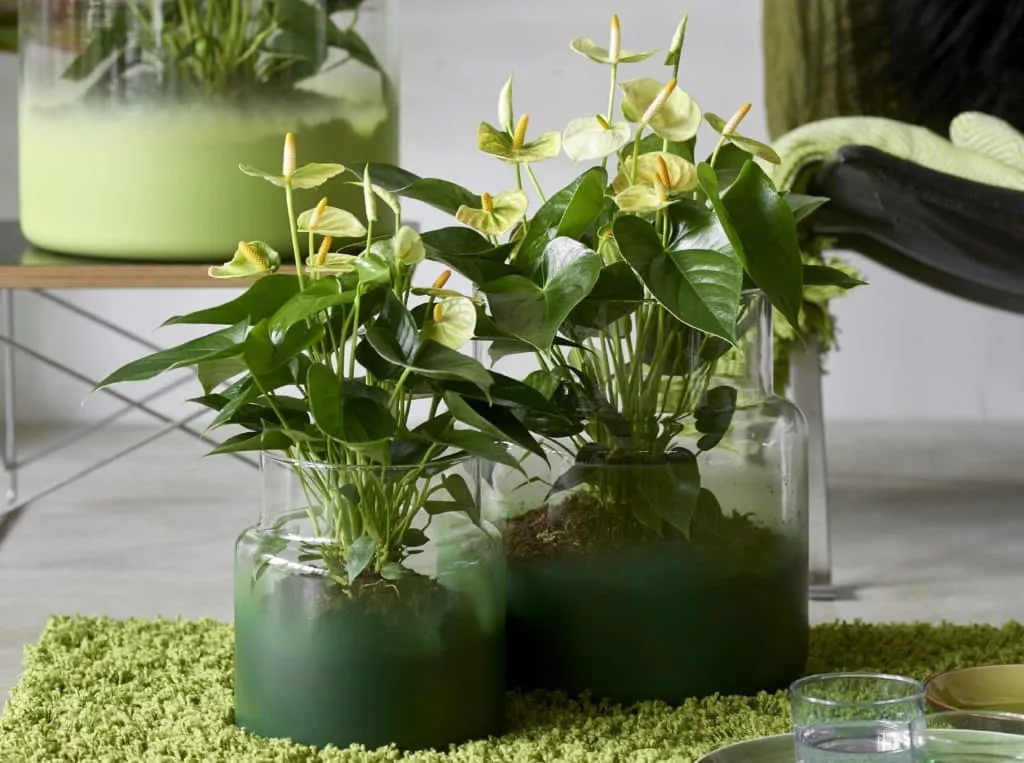
Select the right size plant: Anthuriums come in compact and large varieties. Choose one that fits your space and allows room for healthy growth.
Watch for stress signals: Drooping leaves may indicate watering issues, while yellowing leaves can point to nutrient deficiencies or poor light.
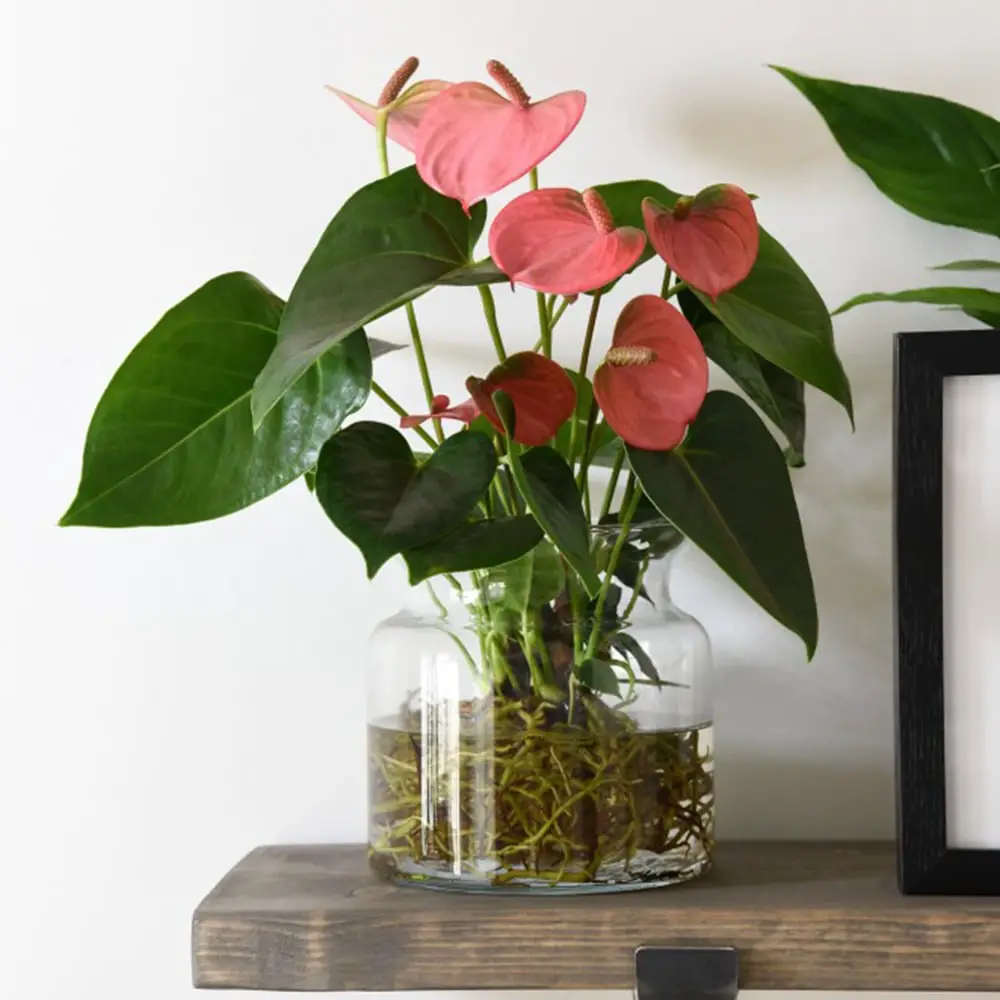
Anthuriums are easy to grow indoors and make excellent houseplants. In warm, subtropical, or tropical climates, they can also thrive outdoors. With proper care, these plants will reward you with stunning, long-lasting flowers that brighten any home or garden.
casionally with a damp cloth to remove dust and improve light absorption. Remove damaged leaves to keep the plant looking its best.
Select the right size plant: Anthuriums come in compact and large varieties. Choose one that fits your space and allows room for healthy growth.
Watch for stress signals: Drooping leaves may indicate watering issues, while yellowing leaves can point to nutrient deficiencies or poor light.
Anthuriums are easy to grow indoors and make excellent houseplants. In warm, subtropical, or tropical climates, they can also thrive outdoors. With proper care, these plants will reward you with stunning, long-lasting flowers that brighten any home or garden.