

If you have ever grown a snake plant, you know how exciting it is to spot new pups pushing through the soil. These baby plants are a clear sign that your snake plant is healthy, settled, and ready to multiply. A pot filled with strong, upright leaves and fresh offshoots is every plant lover’s goal.
But sometimes, a snake plant seems stubborn, staying as a single clump for months or even years. If you have been waiting patiently with no results, the good news is that you can gently encourage pup production by adjusting a few key growing conditions.
Understanding How Snake Plants Create Pups
Snake plants do not spread through stems or flowers. Instead, they grow from underground rhizomes, which are thick, energy-storing structures beneath the soil. When conditions are right, these rhizomes extend outward and send up new shoots that become pups.
Your goal is to create an environment that signals to the plant that it is safe, strong, and ready to expand. Once that message is received, pup production usually follows.

Pot Size and Root Stress: Why Snug Is Better
One of the most common mistakes is placing a snake plant in a pot that is far too large. While it may seem generous, extra space often slows pup production.×
Snake plants prefer a slightly tight root system. When the roots feel gently restricted, the plant responds by sending out rhizomes in search of new territory, which leads to more pups.
Choose a pot that is only a little larger than the root ball. If your plant has been sitting in an oversized container with little progress, downsizing to a snugger pot can make a noticeable difference. Breathable pots, such as terracotta, also help prevent excess moisture and promote healthy roots.
The Power of Light: Brightness Makes a Difference
Snake plants are famous for tolerating low light, but tolerance is not the same as thriving. If you want pups, bright indirect light is essential.
In nature, snake plants grow in open, sunny areas. Indoors, placing them near a bright window where they receive six to eight hours of indirect light can significantly boost growth.

If natural light is limited, a simple grow light can be extremely effective. Many slow-growing plants respond quickly once lighting improves, often producing new pups within a couple of months×
Watering Strategy: Let the Soil Fully Dry
Overwatering is one of the biggest obstacles to pup production. When the soil stays damp, the plant focuses on survival instead of growth.
Allow the soil to dry out completely between waterings. A deep watering every two to three weeks is usually sufficient, depending on your climate. When you do water, soak the soil thoroughly and let excess moisture drain away.
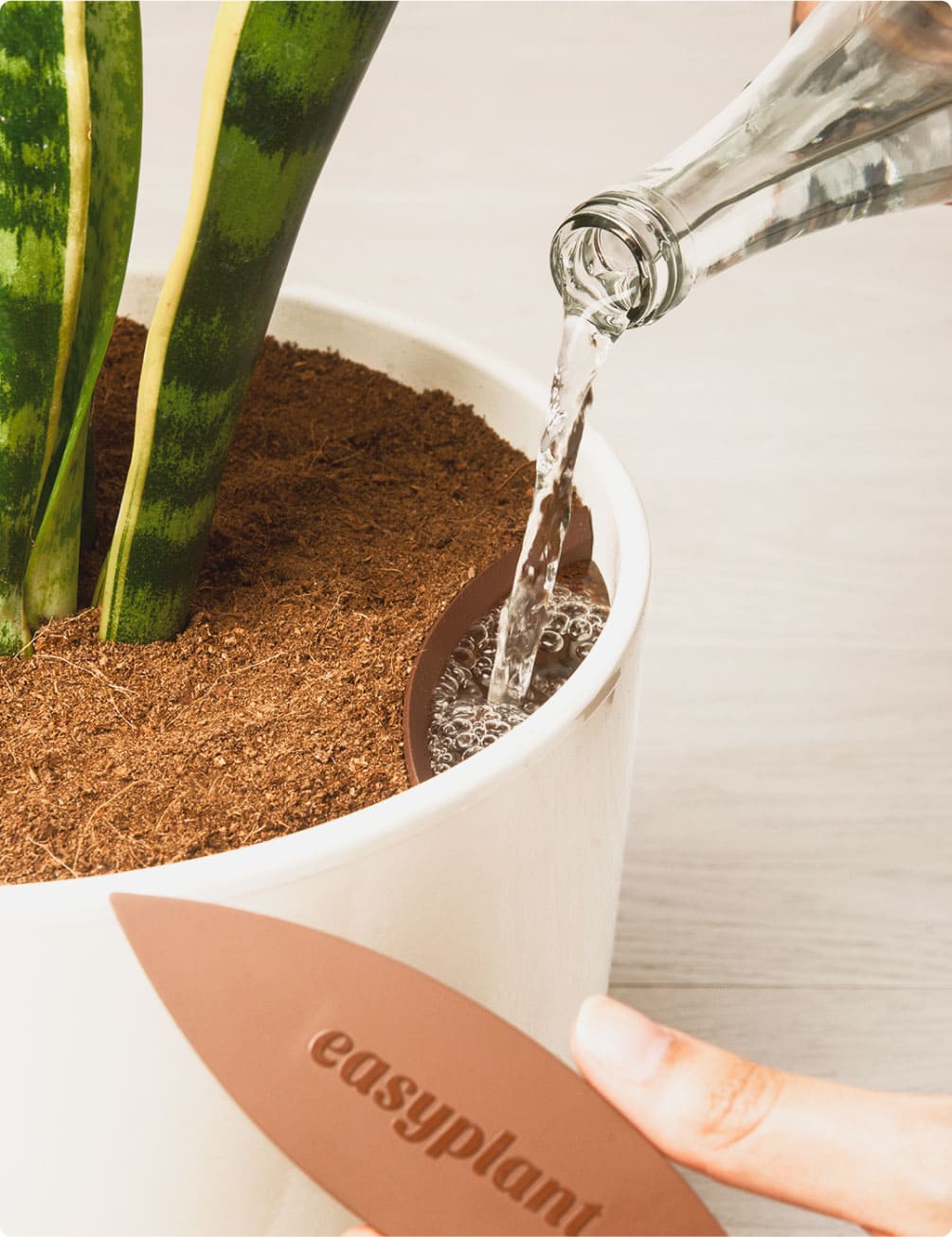
Leaves that feel firm but not overly rigid are a good sign. Slight softness can indicate it is time to water, while constantly wet soil can damage rhizomes and delay pups.×
Temperature and Seasonal Growth Boosts
Snake plants grow most actively in warm conditions. Temperatures between 70 and 85°F (21–29°C) encourage faster growth and rhizome activity.
While they can tolerate cooler temperatures, growth slows dramatically below 60°F (15°C). Early spring is often the best time to encourage pups by increasing light exposure and watering slightly as the plant wakes from winter rest.
Feeding for Pups: Less Is More
Snake plants do not require heavy feeding, but a small nutrient boost during the growing season can help.×
Use a balanced liquid fertilizer diluted to half strength. Applying it once every six weeks in spring and summer is enough to support healthy growth without overwhelming the plant.
Too much fertilizer often leads to tall leaves but few pups, as the plant directs energy upward instead of outward.
Dividing Existing Pups to Trigger New Growth
If your snake plant already produces pups, separating them can actually encourage the parent plant to make more.

Wait until a pup has several leaves and its own roots. Gently remove the plant from its pot, locate the connecting rhizome, and cut it cleanly with a sterile tool.
Allow the cut end to dry for a few hours before repotting. This reduces the risk of rot and helps the new plant establish itself quickly.
Common Problems That Prevent Pup Production
If your snake plant still refuses to produce pups, it may need a small adjustment. A plant that looks healthy but does not spread may be too comfortable and benefit from a smaller pot or brighter light.×
If you see rhizomes beneath the soil but no shoots, a gentle feeding and slightly increased watering during the growing season can help.
If growth seems stalled altogether, check the roots for signs of rot. Healthy rhizomes are firm and pale, while damaged ones can prevent new pups from forming.
With the right balance of light, water, warmth, and mild stress, most snake plants will eventually reward you with plenty of new pups.


