Marshals Season 1 Episode 2, “Zone of Death,” reminds Kayce of one thing: he still carries his family name, and that means something around these parts.
With the Yellowstone saga over, one would think that Kayce has left behind the most tumultuous part of his life.
However, the end of a legacy does not erase its history, and the Dutton family has a complex one.
The Duttons represent families that have gained too much influence in a certain part of the world, and they think they’re invincible to society’s rules.
Duttons will break, bend, or disregard the law if it means advancing their agenda.

So when Marshal Gilford sees a Dutton join his team, it’s very rational that he would be skeptical.
Focusing on Kayce in the context of his family’s history adds depth to the character. Marshals Season 1 could have been a soft reboot for the character, with his history being mentioned in passing, but they make it a part of him.
This becomes not a fresh start for Kayce, but a continuation of the life he’d lived.
He’s not only a marshal, but also a Dutton, a former livestock commissioner who has done questionable things, father, a widower, and a former Navy SEAL.
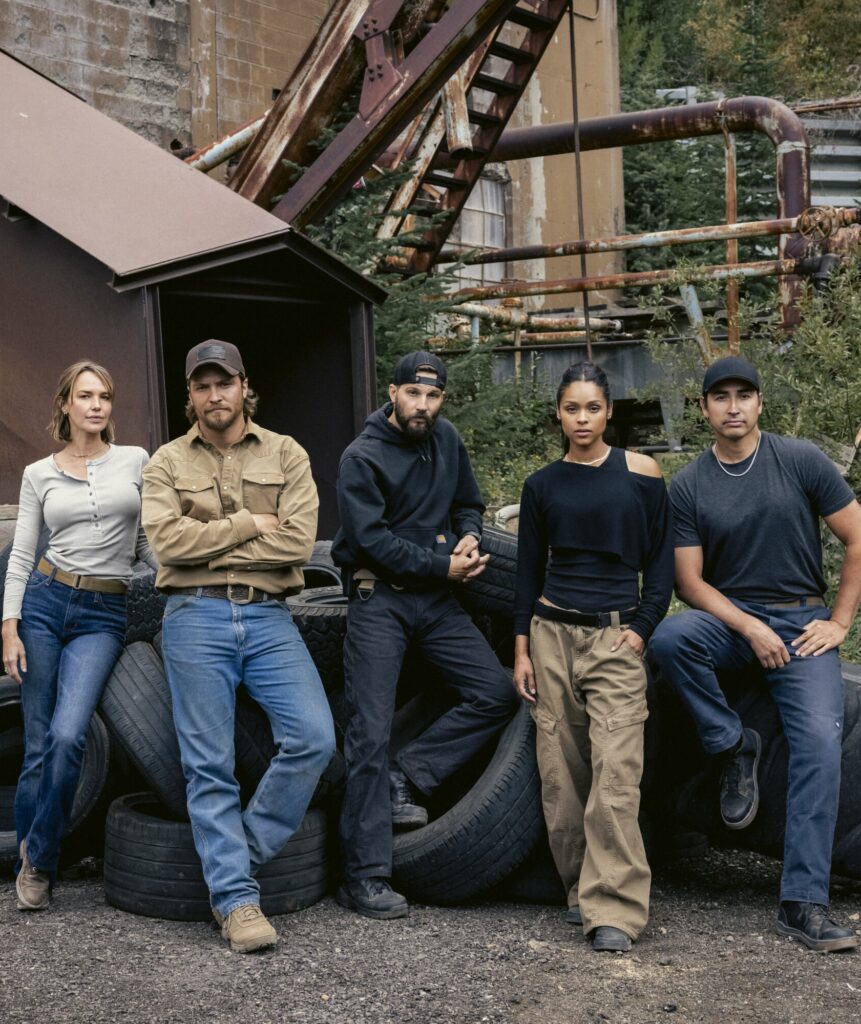
All these identities collide at this hour as Kayce is introduced to his new team members, and finally, we meet the real people behind the performances.

For Kayce, some things come easier — like being Tate’s father. As long as he shows up for his son when needed, his relationship with Tate is steady.

Tate and Kayce’s relationship remains a pillar of this show, serving as an anchor amid the chaos of their lives.
In Marshals Season 1 Episode 1, Kayce collaborated with Pete and his team; now he’s part of them, and as he integrates, we see them for who they are.
Meet the Team
A procedural is as strong as its team. The Marshals team didn’t make a great first impression.
They felt like strangers whom we wanted to like but couldn’t because we didn’t know them.
This hour dives deeper into their histories and dynamics, and by the end, we are left with one of the strongest and most complicated teams on TV currently.
Each member comes from a different agency, bringing their own methods and instincts.

Where it might have seemed like Andrea was trying too hard in the pilot episode not to look like everyone else, this episode reveals that she is this show’s MVP.
Blunt and perceptive without feeling disrespectful, she notices the things that everyone misses — like the fact that Pete has a huge blind spot with Kayce, who is hiding something about his brother’s disappearance.
TV procedurals love pretending every team is a “found family.” It’s a comforting lie. In reality, these are people with guns and enormous authority. Treating them like a group hug removes the accountability that should come with that power.
Pete’s team positions itself as a machine. Each cog has its own shape, but they fit together and get the job done. That doesn’t mean they twist themselves into looking like every other cog.
Their job is waging war on crime, and it becomes clear they’re needed when white supremacists conduct business with non-white gangs.
The fentanyl-bomb exchange tests their ability to work as a team, and while they’re successful, it reveals some cracks that could compromise the entire structure if not addressed early. Most of it has something to do with Kayce.

The newest marshal comes to this job with the old way of doing things from either his SEAL unit or the Dutton family.
He uses his shared history with Pete to manipulate him, and Andrea doesn’t miss it. For some reason, I trust that Kayce knows what he’s doing with that Ronin namedrop, but to other team members, it makes them feel like supporting characters in Kayce and Pete’s show.
Andrea notices how immediate Pete’s reaction is, and if Kayce had pulled that in the middle of a gunfight, who can say what might have happened?
Between leaving to tend to the ranch at random times, secret signals with Pete, and not being properly initiated into the team, Kayce is an outsider to this group, and that’s not good for him or the team.
But even more concerning is his constant off-script behavior that Pete can’t seem to control. We saw it in the season premiere, and in this episode, he leaves his team to chase the bad guys who got away.
Hero moments in television make the experience worth it, but when a character constantly breaks ranks or goes offscript, it becomes a huge problem for everyone.
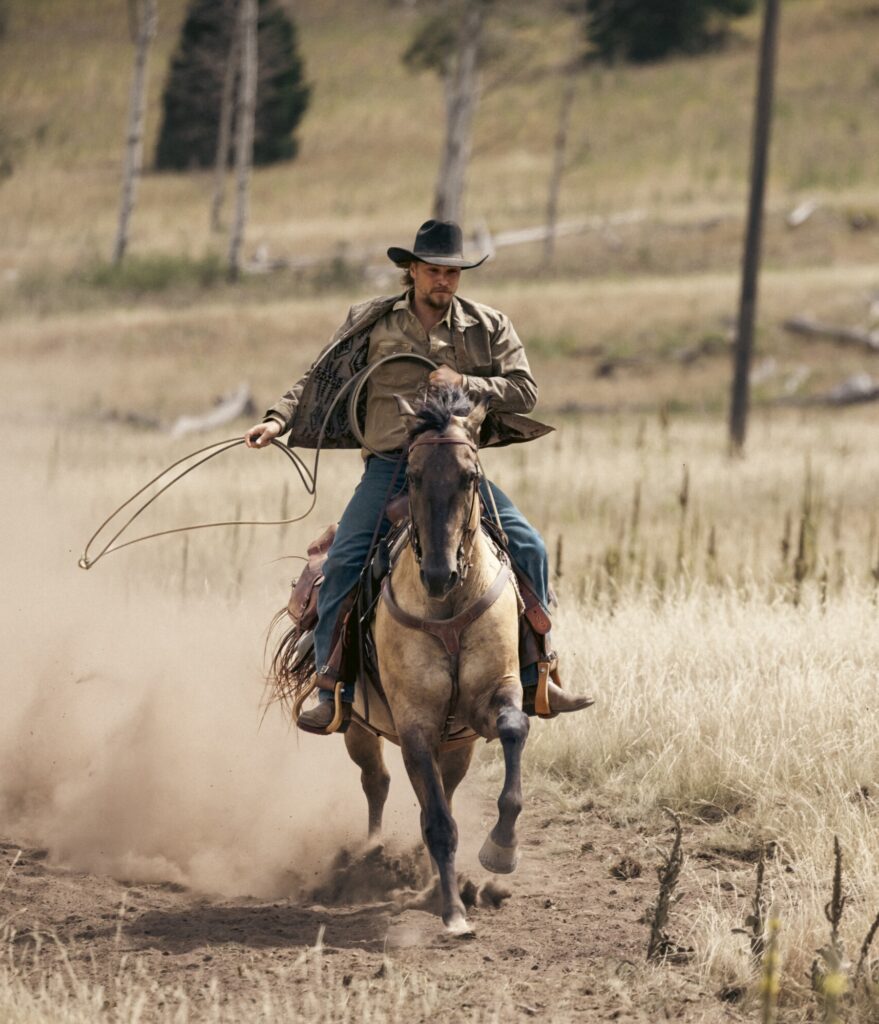
Kayce’s behavior is a liability to the team, especially now that he’s found his own Train Station.
I’m not exactly losing sleep over a white supremacist dying, but it’s also not Kacey’s job to decide who deserves to.
Gut Check
“Zone of Death” fills in an important gap in any procedural: the team dynamics. It finally feels like we know and understand these characters for who they are.
Andrea is not mean for the sake of it; she’s someone who calls it as she sees it. Miles is a sweet soul who ensures that, as everything is done, the Rez is taken into account. Bella is a badass who will prove that women don’t have to choose between being a mom and working. They too can do it all.
I love that I can feel the tensions simmering between these members. Even after this episode, they still feel volatile and unpredictable.

Intrusive Thoughts
- I didn’t go into this show with high expectations, but damn, I’m in love. I have watched each episode at least twice, and there is always something to rediscover.
- Is anyone else struggling with hearing what Kayce — and most native Montanans — are saying? I had to dig around for captions, which are not always guaranteed for screeners. It’s a lot of mumbling that forces my brain to work extra hard.
- Kayce’s deadpan humor will always get me. That man has a way of being hilarious without cracking a single joke.
- Everyone who follows my Fire Country coverage knows that I do not like Bode’s behavior, the same one Kayce is exhibiting. However, there seem to be some guardrails for Kayce that cannot be said for Bode.
Over to you, Marshals fanatics. What did you think of this episode? Have you found your bias in this team yet? What do you think of the Yellowstone lore, and is it too much?
Let’s keep the conversation going — it’s the only way the good stuff survives.
Say something in the comments, share if you’re moved to, and keep reading. Independent voices need readers like you.