
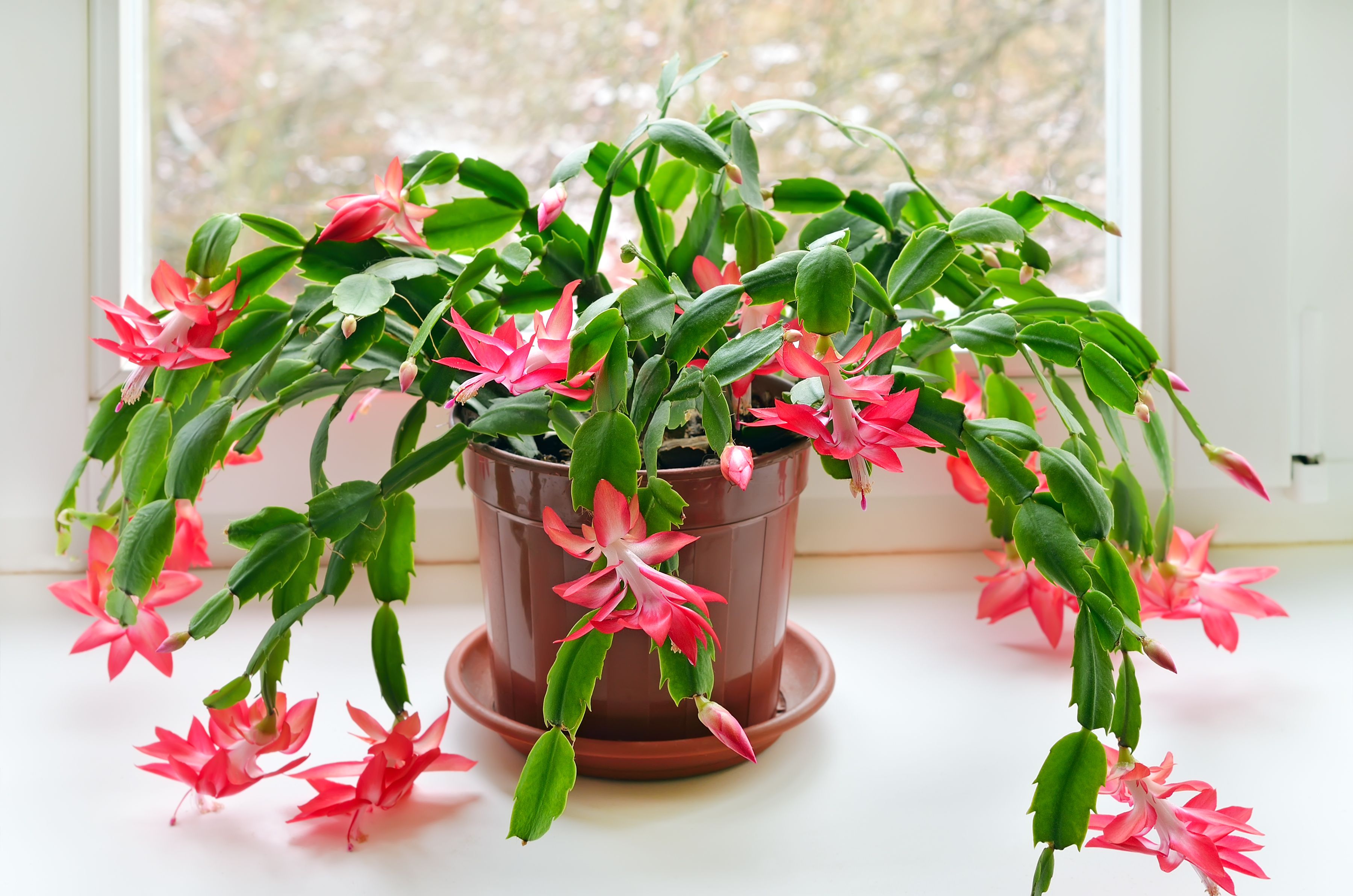
One Homemade Fertilizer That Made My Christmas Cactus Bloom 🌸
No Chemicals, No Store-Bought Feed — Just One Simple Kitchen Secret
For years, my Christmas cactus stayed stubbornly green. Healthy leaves, steady growth… but no flowers. I tried changing pots, moving windows, even expensive fertilizers—nothing worked.
Then I discovered one gentle homemade fertilizer, used at the right moment, and everything changed. Buds appeared. Then blooms. Not just once—but repeatedly.
Here’s the full, honest breakdown of what worked, why it works, and how to do it safely.
Why Christmas Cactus Often Refuses to 
Before talking fertilizer, it’s important to understand the real problem. Most Christmas cacti fail to bloom because of:
- Too much nitrogen (leaf growth, no flowers)
- Warm nights year-round
- Artificial light at night
- Overwatering
- No rest period after flowering
Fertilizer alone won’t fix these—but the right homemade one can help once conditions are correct.
The Homemade Fertilizer That Worked: Carrot Water 🥕🌵
This isn’t a viral gimmick. Used carefully, carrot water provides gentle nutrients that support bud formation without shocking the plant.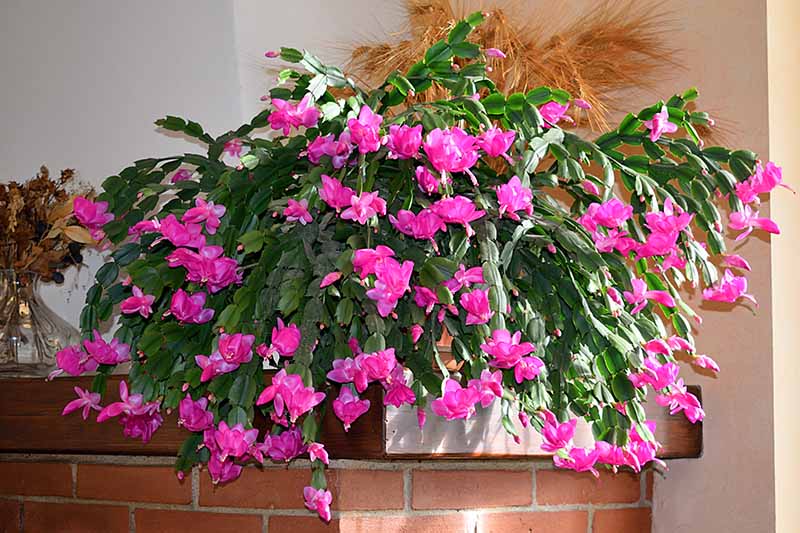
Why Carrot Works
Carrots naturally contain:
- Potassium & phosphorus → essential for flowers
- Trace minerals → strengthen roots and stems
- Natural sugars → mild energy boost during bud formation
Unlike chemical fertilizers, carrot water is soft and slow, reducing the risk of root burn.
How to Make Carrot Fertilizer (The Safe Way)
✅ Carrot Water Method (Best for Beginners)
- Grate ½ fresh carrot
- Add to 1 liter of clean water
- Let soak 8–12 hours
- Strain completely (very important!)
- Use to lightly water the soil
📌 Use once every 3–4 weeks only.
🚫 Never leave carrot pulp in the pot—this causes rot and fungus.
When to Use It (Timing Is Everything)
Carrot fertilizer only works if you apply it during the pre-bloom phase.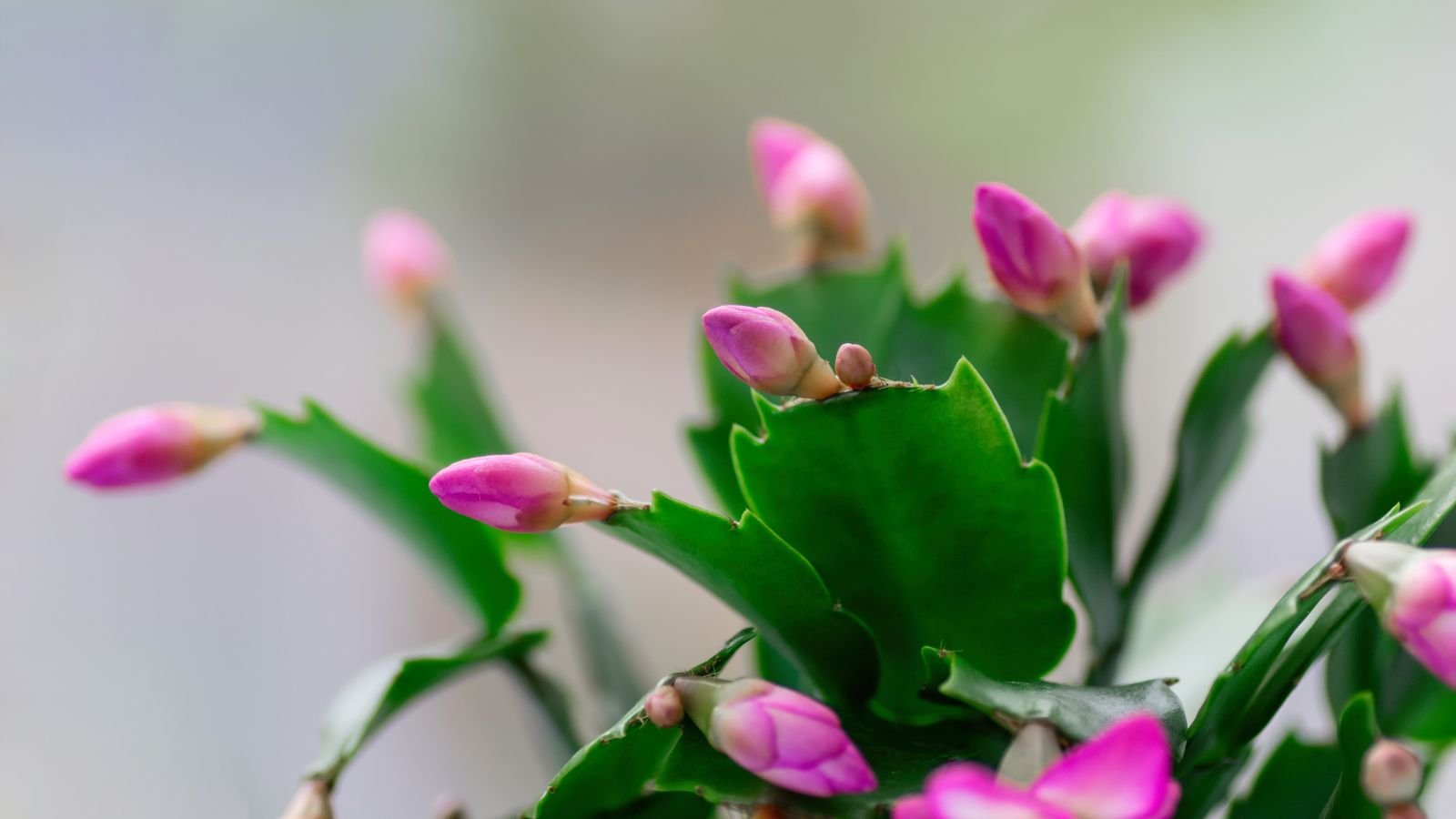
✔ Best time:
- Late summer to early fall
- When nights start cooling
- Before buds appear
❌ Stop using once buds are visible.
What Your Christmas Cactus REALLY Needs to Bloom
1. Cool Nights (Most Important)
- Ideal temperature: 55–65°F (13–18°C)
- Needed for 4–6 weeks
No cool nights = no buds.
2. Long, Unbroken Darkness
- 12–14 hours of darkness every night
- No lamps, TVs, or hallway light
- Cover lightly if needed
This is the main bloom trigger.
3. Bright, Indirect Daylight
- Near a bright window
- No harsh midday sun
Light fuels flower development.
4. Careful Watering
- Water only when top inch of soil is dry
- Excellent drainage is essential
- Never let roots sit in water
5. Minimal Feeding
- Avoid high-nitrogen fertilizers
- Overfeeding delays blooms
Carrot works because it’s gentle.
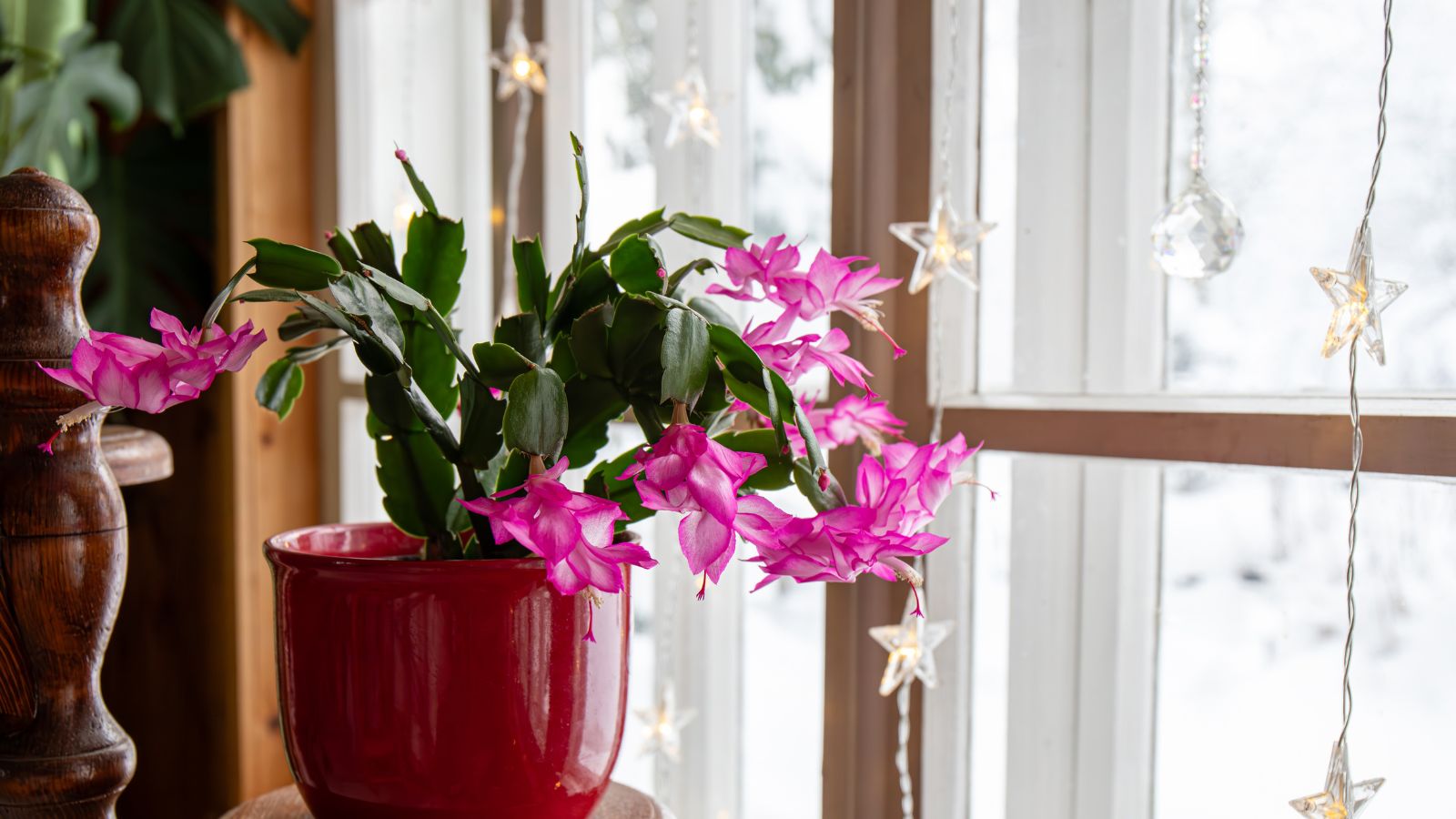
What NOT to Do After Buds Appear
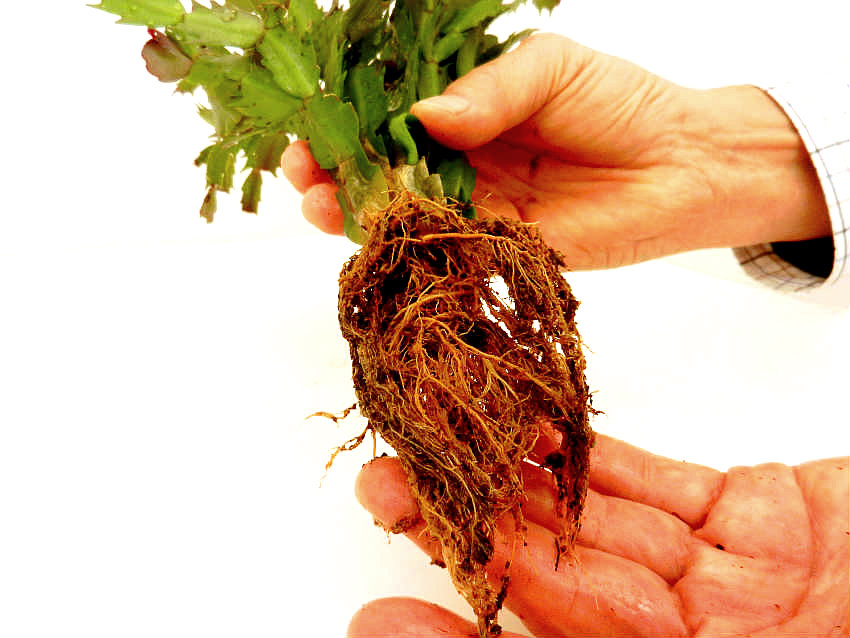
Once buds form, avoid sudden changes:
❌ Don’t move the pot
❌ Don’t rotate the plant
❌ Don’t fertilize
❌ Don’t change light or temperature
These cause bud drop.
After Flowering: The Reset Phase
When blooms fade:
- Reduce watering for 3–4 weeks
- Keep in cooler conditions
- Resume normal care gradually
This rest period is essential for next year’s flowers.
Common Mistakes to Avoid
- Using carrot water too often
- Applying during flowering
- Burying carrot pieces in soil
- Expecting blooms without darkness & cool nights
Final Thoughts 🌸
The secret to blooming isn’t a miracle product—it’s respecting the plant’s natural rhythm.
This homemade carrot fertilizer simply supports the process when everything else is right.
Fix the light. Cool the nights. Protect the darkness.
Then let one gentle kitchen trick help your Christmas cactus do what it was meant to do—bloom beautifully 🌵🌸


