Paris Erupts: Protesters Tear EU Flags as Macron Faces Mounting Backlash Over Ukraine Policy
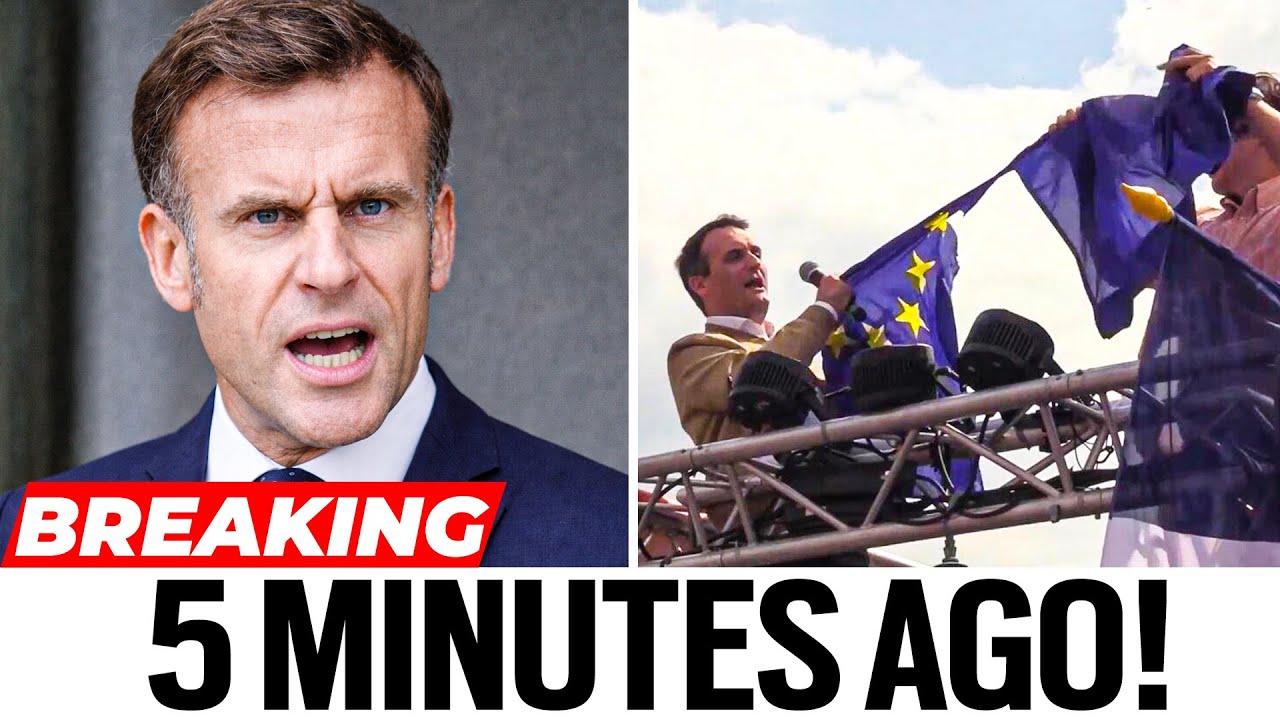
Paris witnessed one of its most heated political demonstrations in recent months as thousands of protesters gathered in the French capital to voice opposition to President Emmanuel Macron’s foreign policy, particularly his support for continued military assistance to Ukraine. The rally quickly became a focal point for broader frustrations over the country’s economic situation, European Union policies, and growing fears that France could become increasingly involved in the conflict.
Throughout the demonstration, participants waved French flags, displayed anti-war banners, and chanted slogans demanding a change in government policy. Some protesters also tore European Union flags, using the act as a symbolic rejection of what they described as deeper European military involvement. The demonstration reflected the views of those participating and added to the ongoing political debate surrounding France’s role within NATO and the European Union.
Growing Opposition to Military Commitments
Much of the criticism centered on President Macron’s support for closer security cooperation with Ukraine and discussions among European allies regarding future security arrangements after any potential ceasefire.
Many demonstrators argued that France should prioritize diplomacy over further military commitments. Protesters repeatedly expressed concerns that any expanded role for European forces could increase tensions with Russia and expose France to greater security risks.
Signs reading “We Will Not Die for Ukraine” and “Choose Peace, Not War” appeared throughout the march, highlighting fears among participants that France could become more deeply involved in the conflict.
A Rally Organized Around Calls for Peace
The demonstration was organized by political groups critical of the current European security strategy, including supporters of Florian Philippot’s political movement.
Speakers addressed the crowd by calling for negotiations rather than continued military escalation. Several participants argued that France should pursue an independent foreign policy and avoid becoming increasingly tied to decisions made by European institutions or NATO.
Although opinions varied among attendees, many shared concerns about the long-term consequences of continued military support for Ukraine.
Economic Frustrations Fuel the Protest
While foreign policy dominated much of the rally, economic issues also played a significant role.
Participants linked rising living costs, inflation, high energy prices, and public spending pressures to France’s international commitments. Some questioned whether public resources should instead be directed toward healthcare, housing, education, and domestic infrastructure.
Many protesters argued that ordinary citizens are being asked to shoulder increasing financial burdens while government spending on defense continues to rise.
Criticism of European Union Policies
The protest also reflected broader skepticism toward European Union institutions.
Several speakers accused EU leaders of pursuing policies that, in their view, prioritize geopolitical objectives over the economic interests of European citizens. Demonstrators criticized sanctions, defense initiatives, and energy policies, arguing that these measures have contributed to rising costs for households and businesses.
For some participants, tearing EU flags symbolized dissatisfaction with the current direction of European integration rather than opposition to Europe itself.
Concerns About National Sovereignty
Another recurring theme throughout the demonstration was national sovereignty.
Many protesters argued that major foreign policy decisions should receive broader democratic debate before France commits to long-term international obligations. Participants repeatedly emphasized that decisions involving national security should reflect public opinion as well as strategic considerations.
Speakers also called for France to maintain greater independence in international affairs while strengthening diplomatic efforts aimed at reducing tensions.
Divided Public Debate
The demonstration illustrates the increasingly polarized discussion within France regarding the country’s role in the Ukraine conflict.
Supporters of the government’s approach argue that assisting Ukraine remains essential for European security and for defending international law. Critics, however, contend that continued military support risks prolonging the conflict and placing additional economic and security burdens on European countries.
These competing perspectives have become increasingly visible in public demonstrations, parliamentary debates, and political campaigns.
Political Pressure on Macron Continues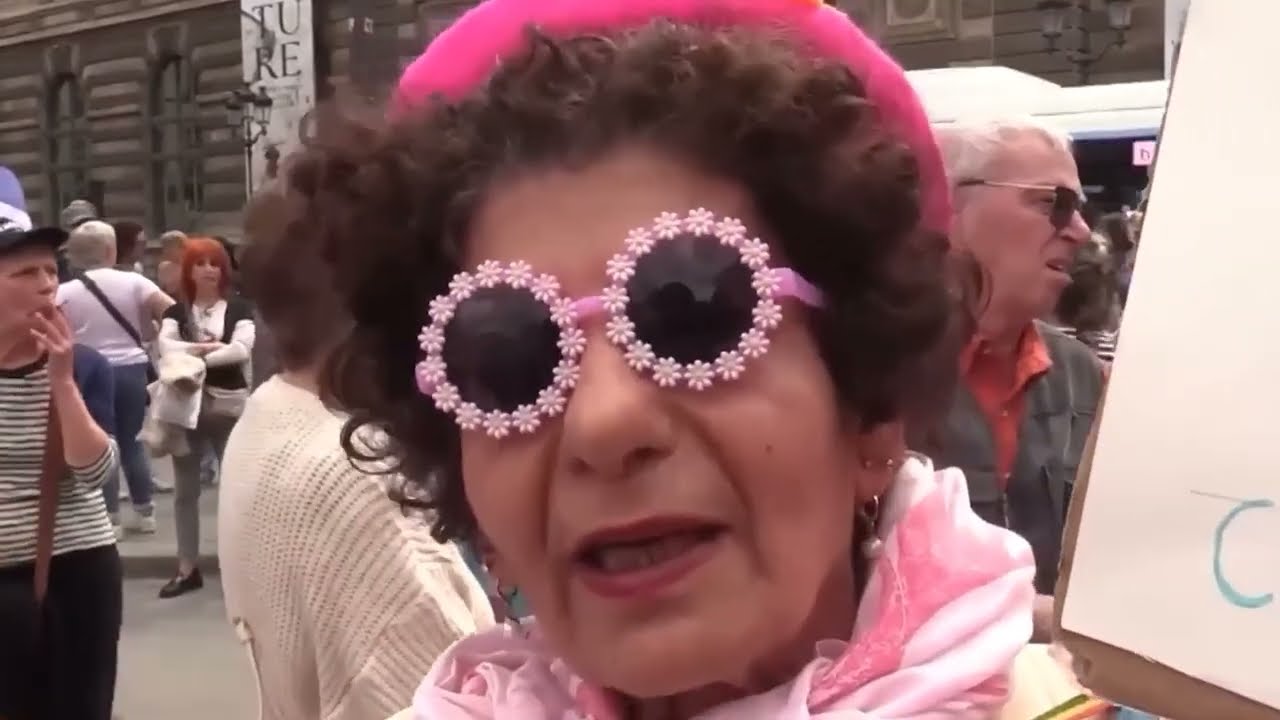
As France continues to navigate complex economic challenges alongside international security commitments, protests such as this demonstrate the growing intensity of public debate over the government’s foreign policy.
Whether these demonstrations will influence future policy remains uncertain. However, they underscore the political pressures facing President Macron as France balances its commitments to European allies with domestic concerns over inflation, public spending, and national security.
The events in Paris have once again highlighted that questions surrounding France’s role in Europe, support for Ukraine, and the future direction of European security remain among the country’s most divisive political issues.