
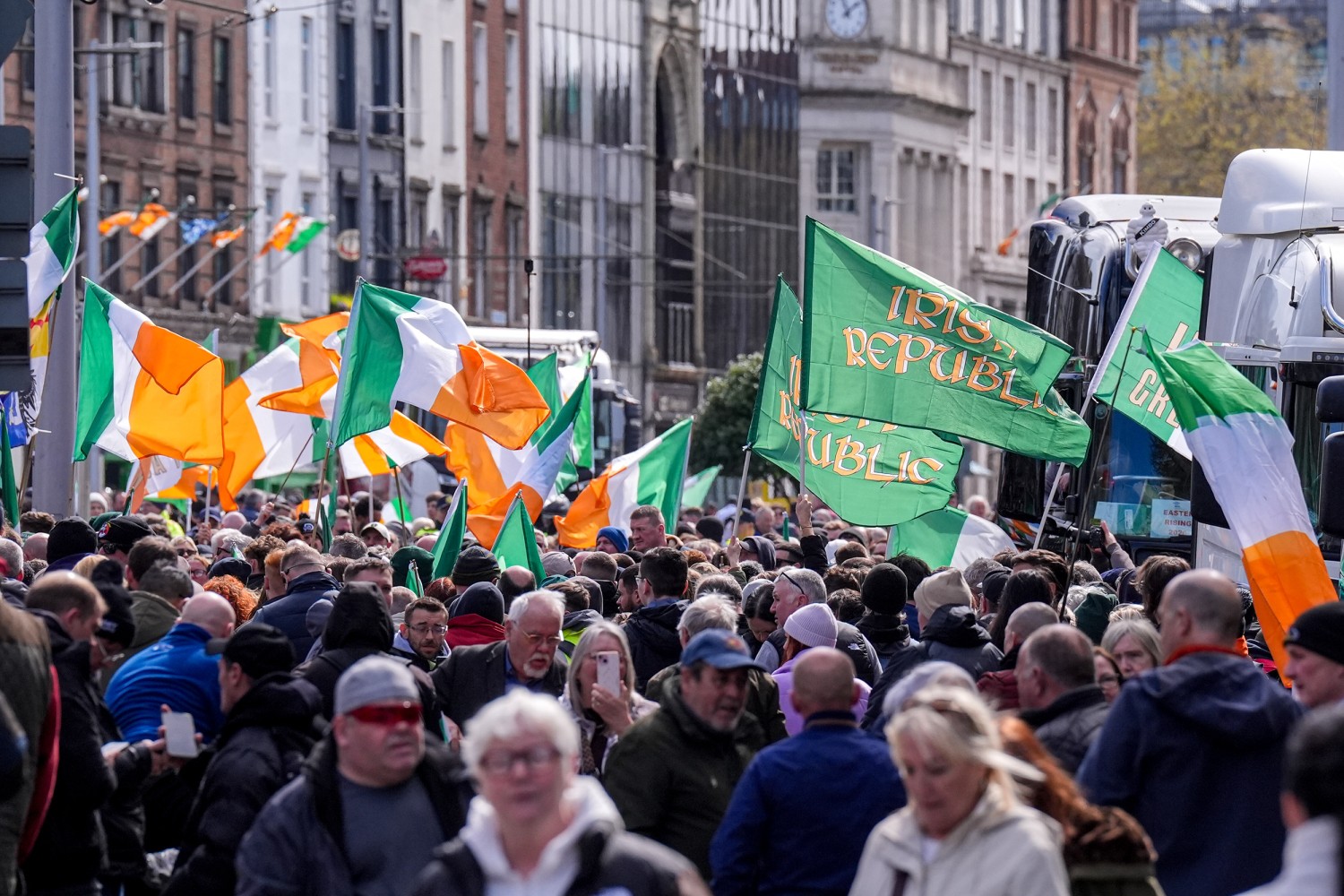
The Whitegate Collision
This “heavy-handedness” has only served to sharpen the resolve of the protesters. The logic of the blockade is simple but devastating: if the government will not allow the people to run their country in a way that remains affordable, the people will simply grind the country to a halt. In aviation or logistics, this is known as a “go-slow,” but on the streets of Ireland, it has become a full-scale shutdown. As diesel prices climb toward £2.00 per liter, the “supply and demand” curve has crossed a threshold where the cost of compliance has become higher than the cost of rebellion.
The uprising is not restricted to the urban centers. The “reinforcements” mentioned in viral clips are coming from the rural heartlands, where tractors are being used as “powerful tools” of civil disobedience. These vehicles, designed to move the earth, are now being used to block it. In London, similar protests have historically signaled a temporary grievance; in Ireland, however, the cultural memory of “standing up for the homeland” gives these blockades a deeper, more permanent resonance. The Irish have a long history of turning around and saying, “not a bit of us,” and that history is currently being written on the asphalt of every major artery in the Republic.
Beyond the immediate anger over fuel prices lies a more profound sense of “untapped resources.” Protesters point to the irony of a nation facing energy shortages while sitting on or near vast reserves that remain untouched due to “net zero” climate targets. This perceived abandonment of self-sufficiency in favor of international ideological alignment has created a vacuum of trust. For a worker who relies on fuel for their livelihood, the government’s refusal to utilize domestic resources is not just a policy disagreement; it is an act of economic sabotage.
The Staffing of the Tensions
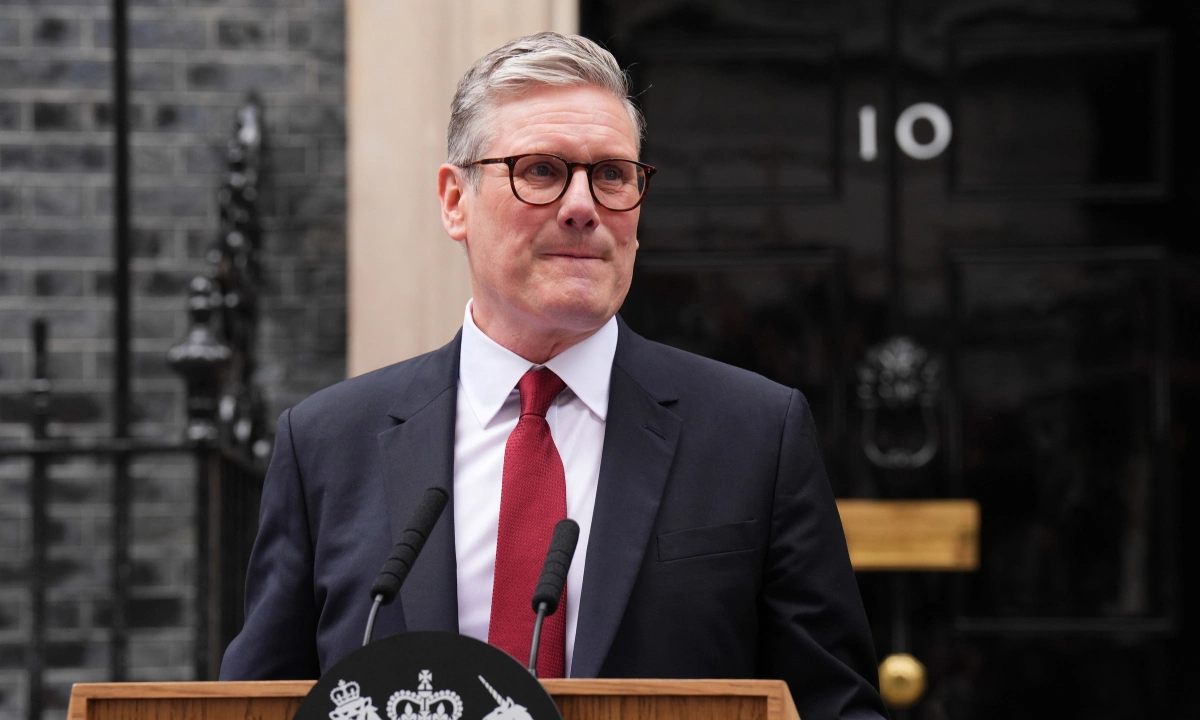
Like the air traffic control crisis at LaGuardia or the trade standoff between Carney and Trump, the Irish rising is a symptom of a system stretched thin. The Gardaí are being forced into roles that mirror the “merged safety nets” of an overloaded control tower—trying to manage public safety while simultaneously acting as the enforcement arm of an unpopular energy policy. When the orders “come down from above” to clear peaceful protesters with force, the human connection between the police and the community begins to fray.

Conclusion: The Spark and the Flame
As the convoys continue to grow and the blockades remain in place, the world is watching to see how the Republic responds. Will the government double down on its “tactical” enforcement, or will it recognize that a nation cannot be governed against its will? The Irish have reclaimed O’Connell Street, and in doing so, they have reminded the world that while governments can issue decrees, it is the people who move the country. The “rising” is no longer a headline; it is a reality, and the rules of the road have changed forever.
What specific economic adjustments or energy policy shifts would be required to de-escalate the “largest blockade ever” and restore a sense of trust between the Irish government and the rural and industrial sectors currently paralyzing the nation?


