
Sansevieria, commonly known as the snake plant, is famous for surviving almost anything. Low light? Missed watering? It shrugs it off. But here’s what most people don’t realize: a thriving Sansevieria can actually bloom — and when it does, the result is stunning.
If your snake plant looks “okay” but never truly thrives, this guide will show you how to take it from surviving to flourishing.

1. Light: The #1 Reason Snake Plants Never Bloom
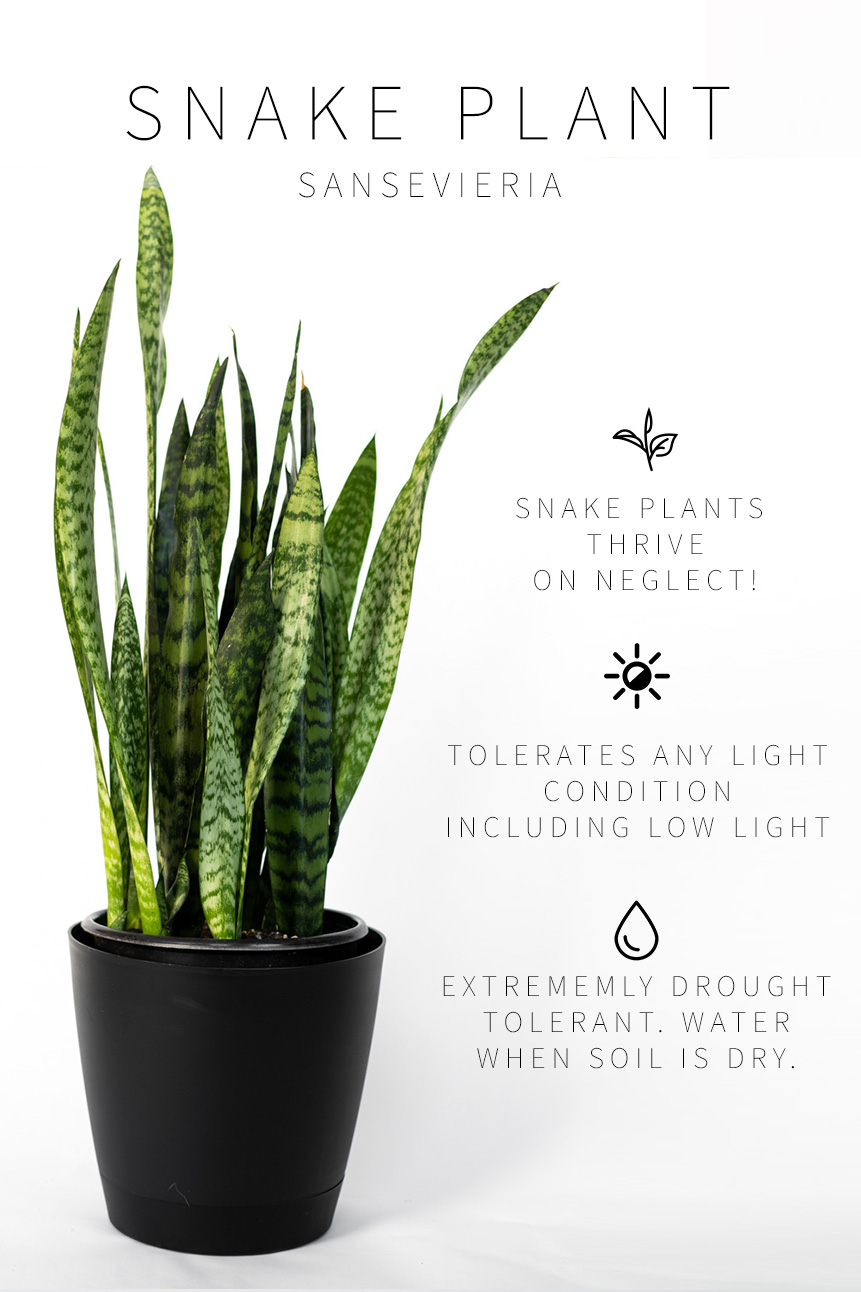
Snake plants tolerate low light, but tolerance is not the same as happiness.
-
Best light: Bright, indirect light
-
Can survive: Low light
-
Won’t bloom in: Deep shade or dark corners
If you want flowers, place your Sansevieria near a bright window with filtered sunlight. A few hours of morning or late-afternoon light is ideal.
👉 Low light keeps it alive. Bright light pushes it to bloom.
2. Watering: Less Is More (Seriously)
Overwatering is the fastest way to kill a snake plant — or at least prevent blooming.
Correct watering rule:
-
Let soil dry out completely
-
Water deeply, then wait again
-
In winter: water even less
Soggy roots = stress
Dry-then-water cycles = strength
Healthy roots are essential for flower production.
3. Soil & Pot: Drainage Is Non-Negotiable
Snake plants hate wet feet.
Use:
-
Cactus or succulent soil
-
Or regular potting mix + perlite/sand
Always choose a pot with drainage holes. Slightly root-bound plants are more likely to bloom, so don’t rush to repot unless roots are bursting out.
4. Feeding: Why Too Much Fertilizer Backfires
Most people overfeed their Sansevieria.
-
Feed lightly during spring & summer
-
Use a diluted balanced fertilizer
-
Stop feeding in fall and winter
Too much nitrogen = big leaves, no flowers
Gentle feeding = balanced growth + bloom potential
Some gardeners even skip fertilizer entirely and still get blooms once care is correct.
5. Temperature & Stress: The Bloom Trigger
Snake plant flowers often appear when the plant experiences mild, healthy stress.
Ideal conditions:
-
Warm temperatures (65–85°F / 18–29°C)
-
Stable environment
-
No sudden cold drafts
Blooms usually appear in mature plants that are:
✔ Well-lit
✔ Slightly root-bound
✔ Not overwatered
6. What Snake Plant Flowers Look Like
If you’ve never seen one — you’re not alone.
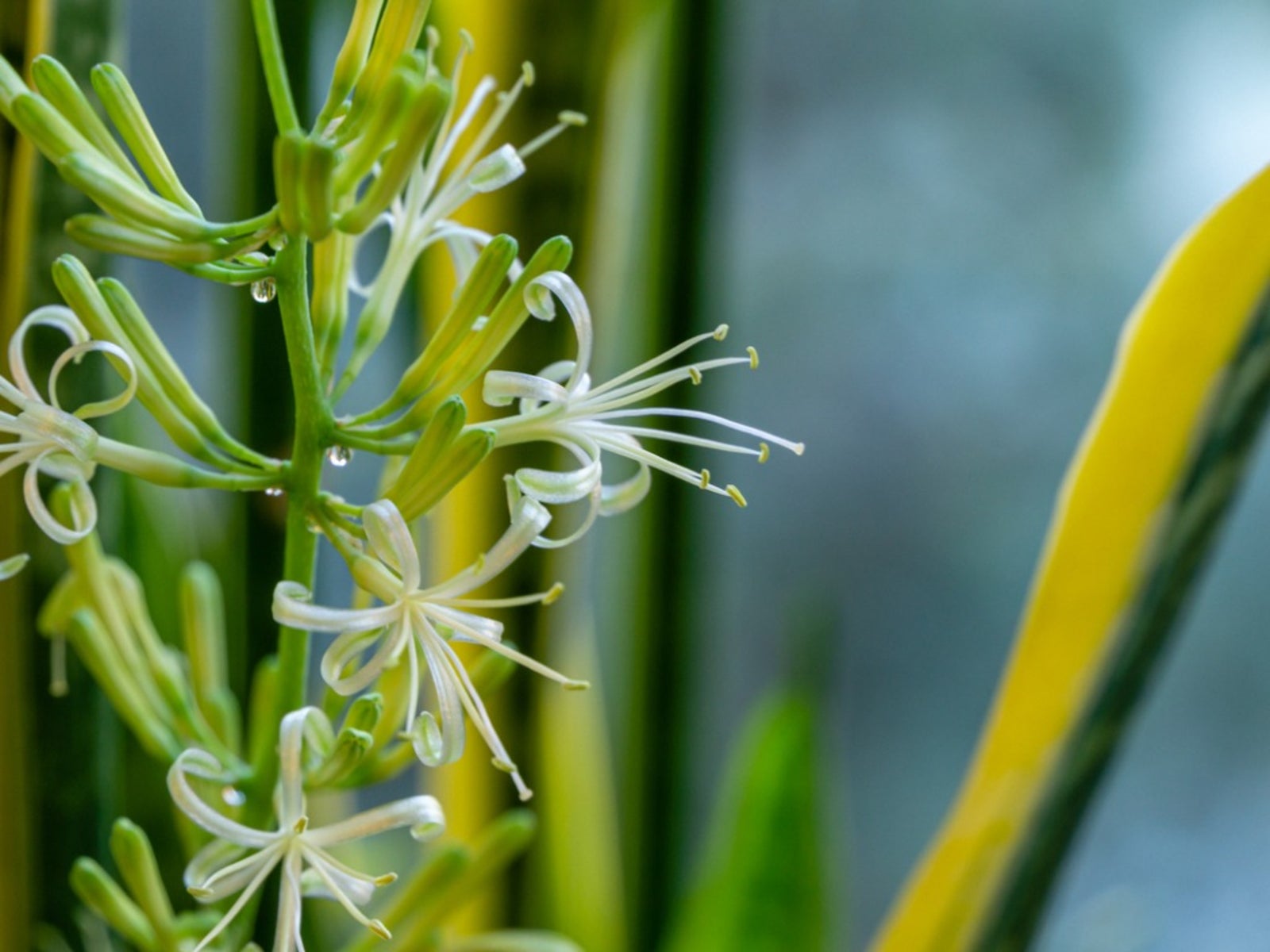
Sansevieria flowers:
-
Grow on tall stalks
-
Are white or cream-colored
-
Have a sweet, jasmine-like scent
-
Often bloom at night
They’re subtle, elegant, and totally unexpected.
7. Common Mistakes That Stop Blooming
Avoid these if you want flowers:
❌ Constant watering
❌ Low light forever
❌ Oversized pots
❌ Heavy fertilizer use
❌ Cold rooms or drafts
Fix just one or two of these — and you’ll often see dramatic improvement within months.
Final Thoughts
Snake plants don’t bloom often — but when they do, it’s a sign of perfect balance. Bright light, dry roots, gentle care, and patience are the real secrets.
If your Sansevieria hasn’t bloomed yet, don’t give up.
You might already be closer than you think.
👉 Want more plant care secrets like this? Check the full guide in the comments 💬🌿


