HMRC Under Fire in Parliament: Inefficient, Overly Complex, and Failing to Collect Billions
MPs have sharply criticised HMRC for poor performance, excessive bureaucracy, and a failure to collect significant amounts of tax owed by large businesses. During a Public Accounts Committee session, officials faced tough questioning over long delays, an impenetrable tax code, and slow progress on major disputes.
Poor Customer Service
One of the most immediate criticisms centred on HMRC’s telephone response times. MPs highlighted that callers to HMRC wait an average of 26.5 minutes for their calls to be answered — significantly longer than the Department for Work and Pensions, which answered calls in around 8 minutes in 2014-15.
HMRC officials admitted the current average wait time is around 7 minutes and claimed improvements are being made. However, MPs pointed out that many people simply give up, wasting time and adding unnecessary costs for businesses trying to resolve tax issues.
A Tax System No One Fully Understands
The complexity of the UK tax code came under sustained attack. The code runs to 22,000 pages across two volumes, while HMRC maintains around 200 tax manuals totalling 80,000 pages. Even HMRC staff reportedly struggle to navigate it due to high turnover and insufficient training.
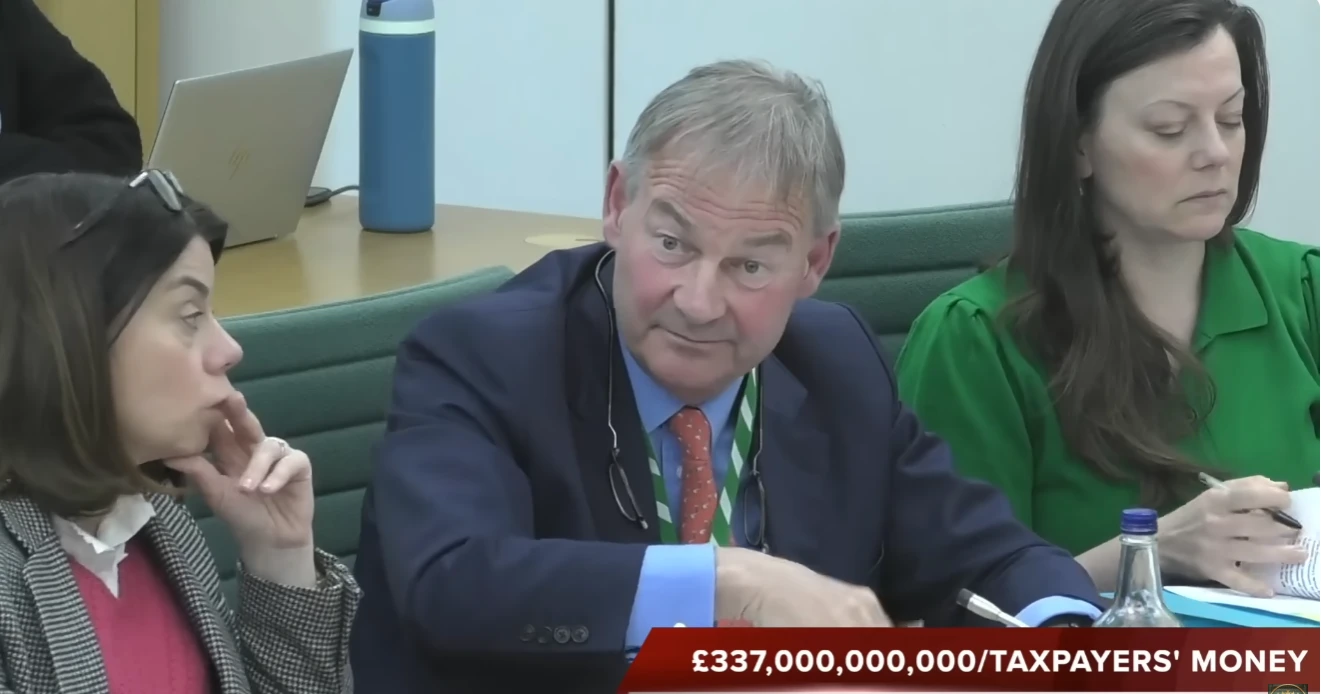
MP Rupert Lowe contrasted this with Hong Kong’s tax code, which is just 500 pages long. He accused HMRC of using its complex rulebook to “bully” taxpayers, noting that businesses must make profits to survive while HMRC operates with the full power of the state behind it.
Long-Running Disputes and Slow Progress
The committee examined several long-standing tax disputes. One case involving the oil giant Glencore has been ongoing for around 15 years, with roughly £1.5 billion potentially at stake. HMRC officials refused to comment publicly on the case due to taxpayer confidentiality rules.
Particular criticism was directed at HMRC’s handling of the Loan Charge. Despite spending £31 million on compliance work, HMRC has only recovered £52 million out of a total £1.7 billion tax liability. While broader disguised remuneration schemes have brought in £4.4 billion overall, progress on individual high-value cases remains slow.
Unused Powers and Structural Weaknesses
MPs also highlighted that HMRC has possessed certain enforcement powers since 2016 but has never used them. Combined with high staff turnover and an overly complex system, this has led to accusations that HMRC is both heavy-handed with compliant businesses and ineffective at tackling serious non-compliance.
Critics argue that the current tax administration system damages Britain’s economic competitiveness. Excessive complexity and poor service increase costs for businesses, particularly smaller ones, while failing to maximise tax collection. This, they say, ultimately reduces the revenue available for public services.
The session exposed deep concerns about HMRC’s effectiveness. With a tax code that even its own staff struggle to master, long-running disputes worth billions, and slow customer service, many MPs believe fundamental reform is needed.